Garlic Butter Pasta is the definitive proof that culinary greatness doesn’t require a long list of ingredients. When you swirl a fork into a bowl of al dente linguine, catching those translucent slivers of toasted garlic and feeling the weight of a thick, shimmering sauce, you realize that simplicity is the ultimate sophistication. This isn’t just a quick weeknight meal; it is a masterclass in the science of emulsification and temperature control.
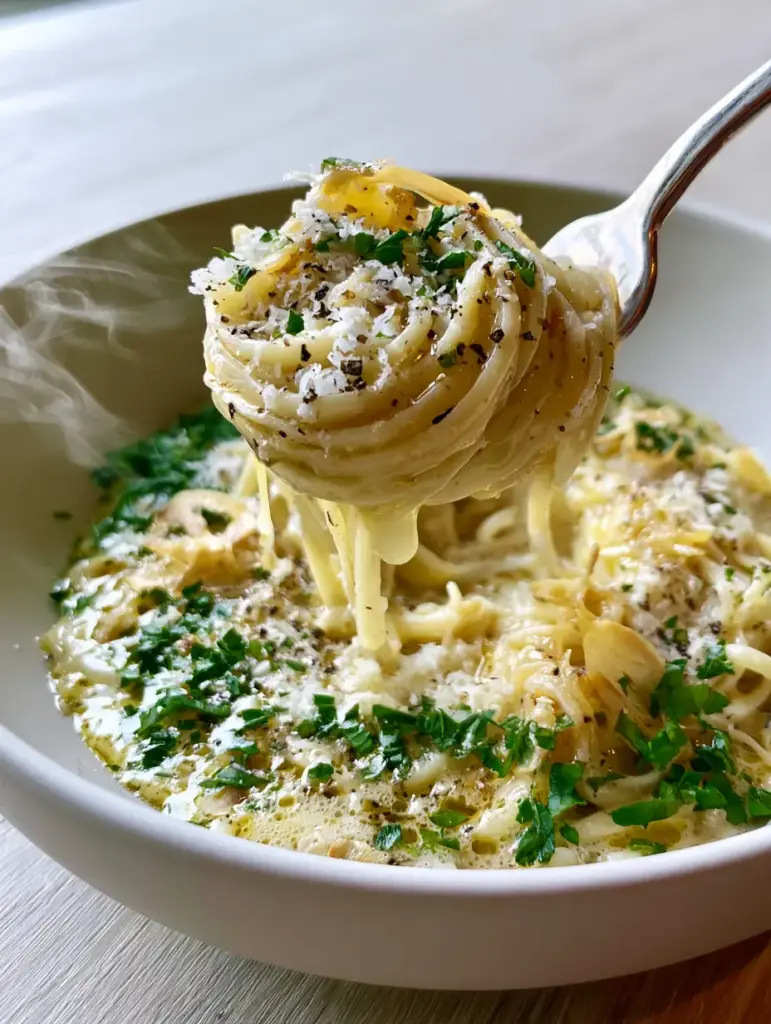
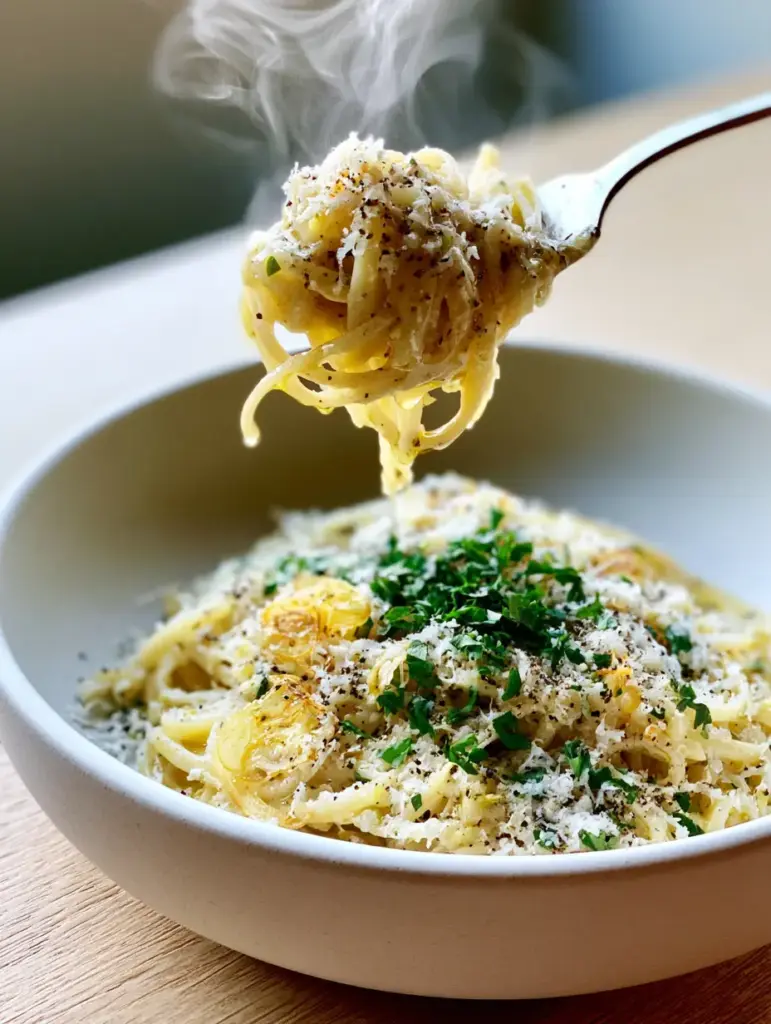
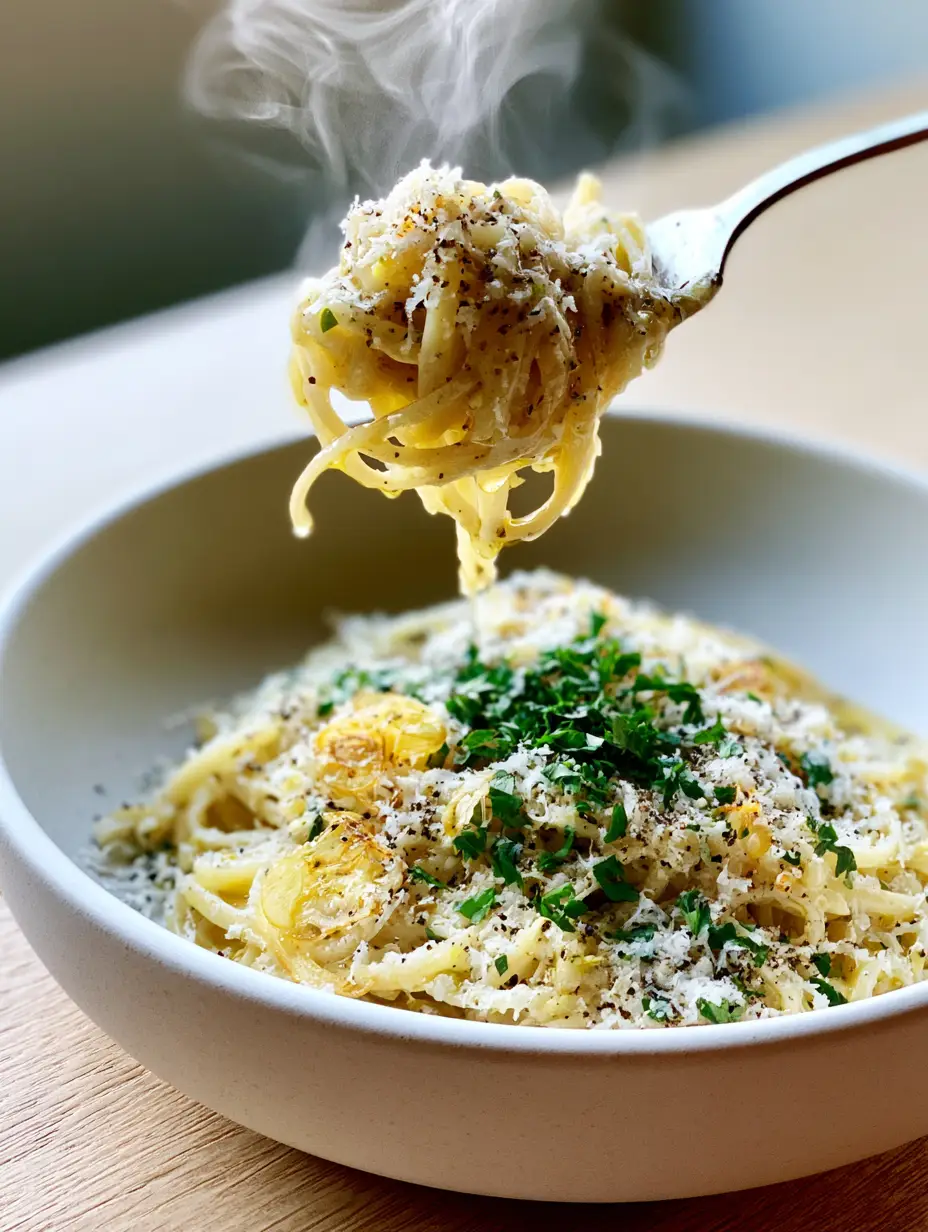
Imagine a smartphone-perfect moment: a matte white ceramic bowl sitting on a light wood table, wisps of steam rising to catch the morning light. The pasta is draped in an ultra-glossy golden sauce, shimmering with tiny droplets of high-quality fats. Every strand of linguine is coated, not just wet, creating a decadent mouthfeel that balances the bite of cracked black pepper with the snowy saltiness of micro-grated parmesan cheese.
Achieving this level of visual and textural perfection requires more than just melting butter. It requires understanding how to bridge the gap between starch and fat. Whether you are looking for a standalone vegetarian feast or a base for a beef-infused variation, this recipe provides the foundational techniques every home cook needs to master the art of the 15-minute pasta.
The Anatomy of a Perfect Golden Garlic Butter Sauce
- Al Dente Precision: The linguine must have a firm “to the tooth” bite to stand up to the richness of the emulsified butter.
- Translucent Garlic Slivers: We avoid the bitterness of burnt minced garlic by using paper-thin slices that toast into golden, sweet petals.
- The Emulsion Secret: A thick, glossy finish is achieved by marrying pasta cooking water with cold butter, creating a sauce that clings rather than pools.
- Visual Contrast: A heavy dusting of micro-grated parmesan provides a snowy texture, while emerald-green flat-leaf parsley adds a fresh, herbaceous finish.
- Sensory Depth: Coarsely cracked black pepper provides floral heat that cuts through the golden fat of the butter.
Essential Components for Your Kitchen Pantry
To recreate the Garlic Butter Pasta seen in our visual blueprint, you must select ingredients that offer both structural integrity and high-impact flavor. Here is what you will need for a restaurant-quality result.
Linguine (1 lb / 454g): We use linguine rather than spaghetti because the flatter surface area allows for a more significant coating of the golden butter sauce. Look for bronze-cut pasta, which has a rougher texture that helps the emulsion “grip” the noodle.
Unsalted Butter (1/2 cup / 113g): Using unsalted butter allows you to control the salinity of the dish perfectly. The butter should be cold when added to the pan to help create a stable, creamy emulsion rather than just an oily slick.
Fresh Garlic (6-8 large cloves): You want enough garlic to be a primary vegetable component, not just a seasoning. Slicing them into translucent slivers ensures they soften and toast evenly without the aggressive pungency of crushed garlic.
Extra Virgin Olive Oil (2 tbsp / 30ml): While this is a butter-based sauce, a small amount of oil prevents the butter solids from scorching and adds a shimmering highlight to the final presentation.
Parmigiano-Reggiano (1/2 cup / 50g): It must be micro-grated into a “snowy” powder. Pre-shredded cheese contains anti-caking agents that will prevent it from melting smoothly into the sauce.
Fresh Flat-Leaf Parsley (1/4 cup / 10g): Finely chopped parsley provides a bright emerald contrast and a necessary punch of chlorophyll to balance the heavy fats.
Kosher Salt and Cracked Black Pepper: Use coarse salt for the pasta water (it should taste like the sea) and freshly cracked pepper for a floral, pungent kick that pre-ground pepper cannot replicate.
Tools Required for Professional Pasta Presentation
Achieving the “handheld aesthetic” food photography look requires specific tools. A wide, shallow matte ceramic bowl is essential for displaying the pasta swirl effectively. To get those beautiful wisps of steam, you will need a heavy-bottomed stainless steel skillet that retains heat.
A microplane is non-negotiable for the parmesan; you want the cheese to be so light it almost floats on top of the pasta. Finally, a pair of stainless steel kitchen tongs is the secret to creating that perfect, high-volume swirl of noodles that sits proudly in the center of the bowl.
Mastering the Golden Emulsion Technique
1. The Foundation: Slicing and Boiling
Bring 4 quarts (3.8L) of water to a rolling boil and add 2 tablespoons (34g) of salt. Drop your linguine and cook for 1-2 minutes less than the package directions; the pasta will finish cooking in the sauce to soak up the flavor.
While the pasta boils, peel your garlic and slice it as thinly as possible. You should be able to see the blade of your knife through the garlic. These “translucent slivers” are the visual hallmark of a high-end Garlic Butter Pasta. Finely chop your parsley and set it aside.
2. Toasting the Garlic Petals
In a large skillet, combine the olive oil and 2 tablespoons (30g) of the butter over medium-low heat. Add the garlic slivers. Watch for the sensory cue: you are looking for the garlic to turn a pale golden tan, not brown. As soon as you smell a nutty, sweet aroma and the edges look toasted, move to the next step.
3. Creating the Shimmering Gloss
Before draining the pasta, reserve 1.5 cups (355ml) of the starchy pasta water. This is liquid gold. Add 1/2 cup (120ml) of this water to the skillet with the garlic. The water will bubble and begin to combine with the fats.
Transfer the linguine directly from the pot to the skillet using tongs. The small amount of water clinging to the noodles is intentional. Add the remaining cold butter one tablespoon at a time, tossing vigorously. You will see the sauce transform from watery to a thick, ultra-glossy golden coating.
4. The Final Flourish
Turn off the heat. This is crucial—if the pan is too hot, the cheese will clump. Add the micro-grated parmesan and toss again. The cheese should disappear into the sauce, making it even creamier and more opaque. Fold in the emerald parsley and a generous amount of cracked black pepper.
Expert Tips for Visual and Flavor Success
- The “Vigorous Toss”: Don’t be afraid to be aggressive when mixing the pasta. The motion helps the starch from the noodles bond with the butter and water, creating that signature shimmering emulsion.
- Temperature Management: If the sauce looks too oily or “broken,” add a splash more pasta water and whisk. The starch acts as a stabilizer.
- Garlic Slicing: Use a mandoline if your knife skills aren’t quite there yet. The uniform thickness ensures every sliver reaches that translucent golden state at the same time.
- The Steam Effect: To capture “steam wisps” like in our photography, serve the dish immediately in warmed bowls. A cold bowl will kill the steam and thicken the sauce prematurely.
Elevating Your Pasta Night
While Garlic Butter Pasta is a triumph on its own, it also serves as a versatile canvas. If you want a brighter profile, our creamy lemon garlic pasta adds a citrusy zest that cuts through the richness. For those who prefer a red-sauce hybrid, the creamy garlic tomato pasta offers a beautiful blush hue.
If you have leftover butter and garlic, don’t let it go to waste. It can be used to base a steak with garlic cream sauce or even to top off a batch of savory golden butter waffles for a unique brunch experience.
Practical Storage and Reheating Advice
Pasta is always best enjoyed fresh, but leftovers can be stored in an airtight container for up to 3 days. To reheat, do not use a microwave if possible, as it will break the emulsion and leave you with greasy noodles.
Instead, place the pasta in a skillet over medium-low heat. Add a tablespoon of water or milk and toss constantly until the sauce becomes glossy again. This restores the creamy texture that makes Garlic Butter Pasta so special.
Frequently Asked Questions
It is not recommended. Pre-grated cheese is coated in potato starch or cellulose, which prevents it from melting smoothly. For the ‘snowy’ look and creamy texture, grate fresh Parmigiano-Reggiano with a microplane.
While linguine is preferred for its surface area, you can use spaghetti or fettuccine. The key is using a long, flat noodle that can be easily coated by the golden butter emulsion.
Use a very sharp knife to cut paper-thin slices and cook them over medium-low heat. Constant movement in the pan ensures they soften into sweet ‘petals’ rather than crisping into bitter chips.
The gloss comes from the emulsification of high-fat butter with starchy pasta cooking water. Tossing the cold butter into the hot pasta creates tiny droplets of fat suspended in the liquid, reflecting light beautifully.
This usually happens when the emulsion ‘breaks.’ To fix it, add more starchy pasta water and toss the pasta vigorously over medium heat. The starch acts as a binding agent to reunite the fat and water.
The Ultimate Garlic Butter Pasta Recipe
Garlic Butter Pasta: The Ultimate Guide to a Glossy Golden Emulsion
Ingredients
Equipment
Method
- Bring a large pot of salted water to boil. Cook linguine until 2 minutes shy of al dente. Reserve 1.5 cups of pasta water before draining.
- In a large skillet over medium-low heat, melt 2 tbsp butter with the olive oil. Add garlic slivers and cook until translucent and pale golden.
- Add 1/2 cup pasta water to the skillet. Transfer pasta to the pan. Add remaining cold butter one piece at a time while tossing vigorously to create a glossy shimmer.
- Remove from heat. Fold in grated parmesan, chopped parsley, and cracked black pepper. Add more pasta water if needed to loosen the sauce. Serve with rising steam.
Notes
Micro-grate your cheese immediately before serving for the snowy visual effect.
Join Our Culinary Community
We hope this Garlic Butter Pasta brings a touch of restaurant-quality elegance to your home kitchen. The beauty of this dish lies in the details—the translucency of the garlic, the shimmer of the sauce, and the bite of the linguine. If you enjoyed this recipe, please leave a comment below and share your results!
For more visual inspiration and daily recipe updates, follow us on Pinterest. Don’t forget to Pin this recipe to your “Easy Dinners” board so you always have this golden emulsion technique at your fingertips.