There is a specific magic that happens when high-quality dairy meets the bright, electric zing of citrus. This creamy lemon ricotta pasta isn’t just a quick weeknight meal; it is a sensory experience designed to mimic the sun-drenched flavors of a coastal Italian summer. Imagine al dente rigatoni, its deep ridges acting as tiny vessels for a glossy, pale-yellow emulsion that balances richness with vibrant acidity.
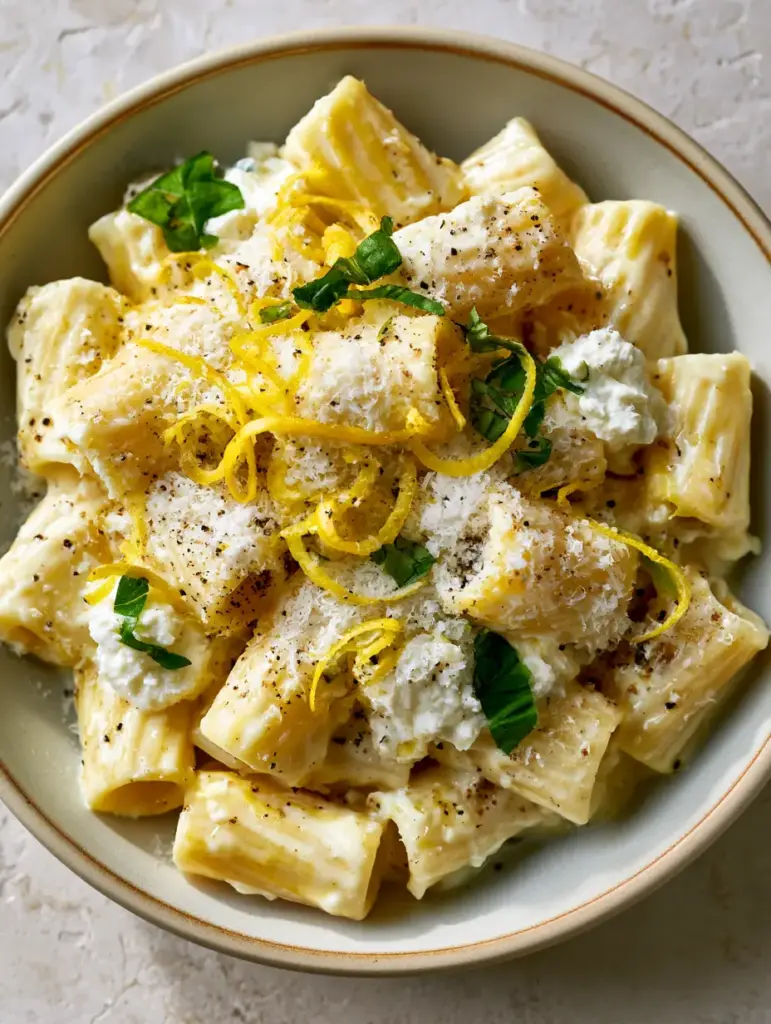
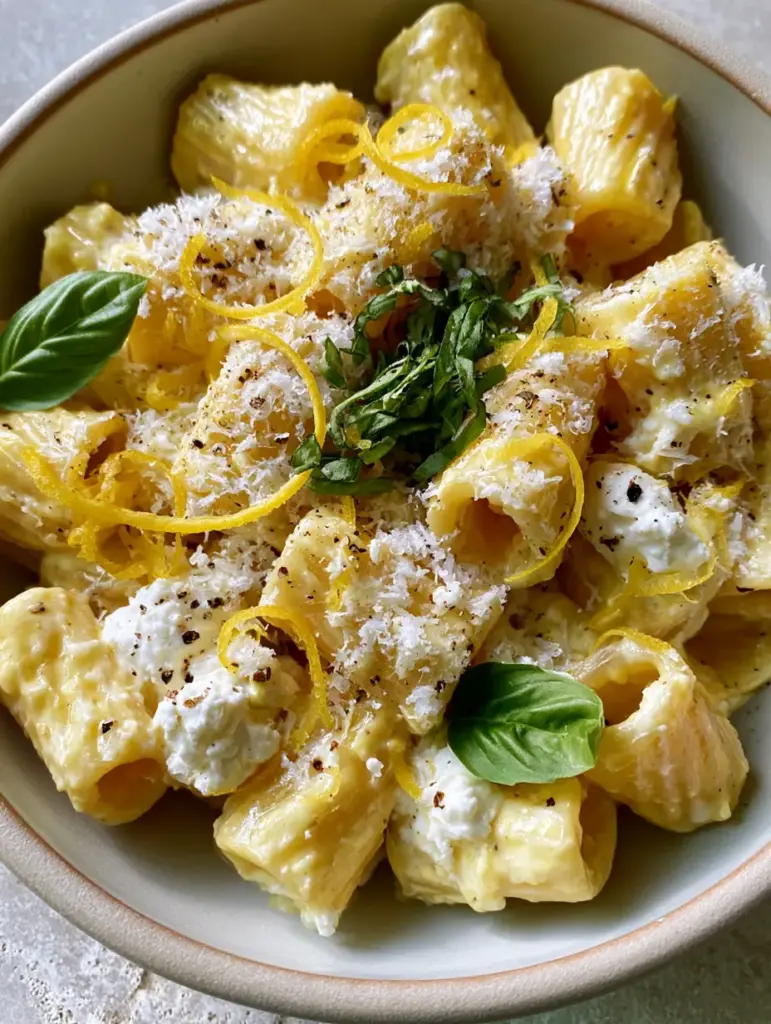
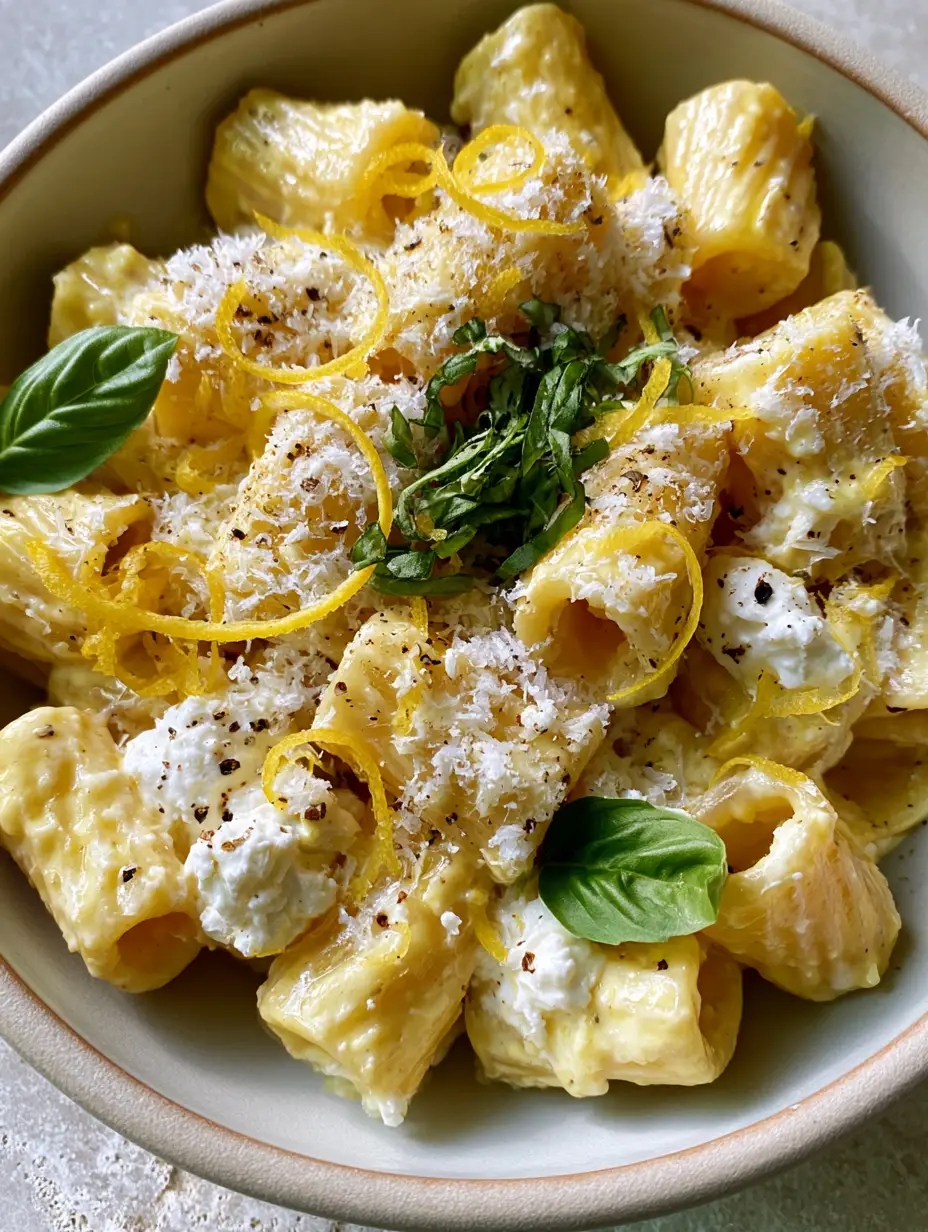
When you look at this dish, the first thing you notice is the texture. We aren’t just stirring cheese into noodles; we are creating a multi-dimensional masterpiece featuring silky sauce, snowy mountains of micro-planed parmesan, and airy dollops of whipped whole-milk ricotta. Every bite is finished with the aromatic crunch of cracked black pepper and the cooling perfume of fresh basil chiffonade.
Whether you are looking for a sophisticated vegetarian centerpiece or a refreshing alternative to heavy cream sauces, this creamy lemon ricotta pasta delivers professional-grade results in under 30 minutes. Let’s dive into the culinary science of emulsification and the art of the perfect pasta fold.
Why This Zesty Rigatoni Recipe Works Every Single Time
- The Rigatoni Vessel: We use large, ridged rigatoni because the surface area is perfect for grabbing onto the thick, glossy lemon-ricotta emulsion described in our visual blueprint.
- Dual-Texture Ricotta: By using ricotta in two ways—melted into the sauce and whipped into fluffy dollops—we create a sophisticated mouthfeel that contrasts silkiness with airy lightness.
- High-Contrast Garnishes: The bright emerald green of the basil chiffonade and the long, vibrant yellow curls of lemon zest provide visual pops that make the dish look like it belongs in a high-end trattoria.
- Acid-Fat Balance: The richness of the whole-milk ricotta and olive oil is perfectly cut by the fresh lemon juice, ensuring the dish feels light rather than cloying.
The Ultimate Grocery List for Velvety Ricotta Pasta
To achieve the specific visual of snowy parmesan and a glossy sheen, you need the right building blocks. While the creamy lemon ricotta pasta is simple, the quality of your ingredients will dictate the final “wow” factor.
1 lb (450g) Rigatoni Pasta: Choose a brand with a rough, bronze-cut texture. This creates more starch, which is essential for that thick, pale-yellow sauce that clings to every ridge.
15 oz (425g) Whole Milk Ricotta: We specifically use whole milk ricotta for its higher fat content, which prevents the sauce from becoming grainy. You will divide this: half for the emulsion and half for the whipped dollops.
2 Large Organic Lemons: You will need both the juice for the emulsion and the zest for those long, bright yellow curls. Organic is preferred since we are consuming a significant amount of the peel.
1 cup (100g) Freshly Grated Parmesan Cheese: Use a microplane to achieve that “snowy” effect. Pre-grated cheese contains cellulose, which will prevent the sauce from reaching that glossy, professional sheen.
1/4 cup (60ml) Extra Virgin Olive Oil: This provides the “olive oil sheen” mentioned in the visual blueprint. Use a high-quality finishing oil for the best peppery notes.
1/2 cup (15g) Fresh Basil Leaves: These will be sliced into a delicate chiffonade. The vibrant emerald green is the perfect color contrast for the pale sauce.
Foundational Seasonings: You will need 2 tbsp (30g) Kosher salt for the pasta water and 1 tsp (2g) freshly cracked black pepper. The pepper provides the tiny dark flecks visible in the final presentation.
If you love the flavor profile of citrus and cheese, you might also enjoy our zesty lemon chicken (coming soon) which pairs beautifully as a side protein. For those who prefer a baked version, check out our classic ricotta pasta bake (coming soon).
Essential Tools for a Professional Plating
To match the “extreme close-up” visual of this creamy lemon ricotta pasta, you need two specific tools. First, a high-quality microplane is non-negotiable for the snowy parmesan and the delicate lemon curls.
Second, a handheld whisk or a small food processor is required to “whip” the ricotta dollops. This incorporates air, changing the texture from dense and grainy to fluffy and cloud-like, exactly as seen in the visual recipe blueprint.
Mastering the Silk-Smooth Lemon Emulsion: Step-by-Step
1. The Golden Rule of Pasta Water
Bring 4 quarts (3.8L) of water to a rolling boil and season with enough salt so it tastes like the sea. Drop your rigatoni and cook until it is strictly al dente—usually 1-2 minutes less than the package instructions.
Sensory Cue: The pasta should have a firm “bite” in the center. Before draining, reserve 2 cups (480ml) of the cloudy, starchy pasta water; this is the “liquid gold” that creates our glossy emulsion.
2. Whipping the Cloud-Like Ricotta
While the pasta cooks, take half of your ricotta and place it in a small bowl with a drizzle of olive oil and a pinch of salt. Whisk vigorously for 2 minutes until it becomes light and airy.
Set this aside. These will be the “fluffy white dollops” tucked between the rigatoni in your final presentation, providing a cool contrast to the warm sauce.
3. Building the Pale-Yellow Sauce
In a large skillet or Dutch oven over low heat, whisk together the remaining ricotta, the juice of one lemon, and 1/2 cup (120ml) of the reserved pasta water. Gradually whisk in the olive oil until a thick, glossy, pale-yellow sauce forms.
Sensory Cue: Look for the sauce to coat the back of a spoon without breaking. If it looks too thick, add more pasta water a tablespoon at a time until it achieves a silky, pouring consistency.
4. The Final Toss and Emulsification
Add the hot, drained rigatoni directly into the skillet with the sauce. Increase the heat to medium-low and toss continuously for 60 seconds. This action releases more starch, binding the sauce to the pasta ridges.
If you’re looking for more sauce inspiration, our garlic butter pasta sauce uses a similar emulsification technique for a different flavor profile.
5. Achieving the Visual Blueprint Finish
Remove the pan from the heat. Fold in half of the parmesan cheese until melted. Now, plate the pasta into shallow ceramic bowls. Use a spoon to place small dollops of the whipped ricotta into the gaps between the pasta.
Finish with a heavy dusting of snowy parmesan, the long curls of lemon zest, the chiffonade of basil, and a final aggressive crack of black pepper. The “olive oil sheen” should be visible as the sauce catches the light.
Expert Tips for the Perfect Creamy Lemon Ricotta Pasta
- Never Boil the Ricotta: Ricotta is a fresh cheese and can grain out if it hits a boiling point. Always build your sauce over low heat and add the pasta to the sauce, not the sauce to the pasta.
- Zest Before You Juice: It is nearly impossible to get those “long curls of bright yellow zest” once the lemon has been squeezed. Zest first, then juice.
- Temperature Control: If your sauce looks “broken” or oily, add a splash of cold pasta water and whisk rapidly. The temperature drop helps the fat and water re-emulsify.
- The Basil Chiffonade: Stack your basil leaves, roll them like a cigar, and slice thinly. This prevents bruising and keeps the emerald green color vibrant.
Pairing and Serving Suggestions
This creamy lemon ricotta pasta is quite rich, so it pairs best with lean proteins or crisp greens. For a complete Mediterranean feast, serve this alongside our mediterranean shrimp or a light chicken pasta salad for the next day’s lunch.
If you want to keep the meal vegetarian but need more heartiness, a side of roasted asparagus or a simple arugula salad with a balsamic glaze provides a nice bitter contrast to the sweet lemon and creamy cheese.
Storage, Reheating, and Make-Ahead Advice
Ricotta-based sauces are best enjoyed immediately. However, if you have leftovers, store them in an airtight container in the refrigerator for up to 2 days. The sauce will thicken significantly as it cools.
To reheat, do not use the microwave as it will cause the cheese to separate. Instead, place the pasta in a skillet with a splash of water or milk over low heat. Stir constantly until the creamy lemon ricotta pasta regains its glossy texture.
Common Questions About Lemon Ricotta Pasta
While rigatoni is best for trapping the thick sauce, penne or fusilli are excellent substitutes. Avoid thin strands like spaghetti, which don’t hold the heavy ricotta emulsion as well.
Use a traditional citrus zester or a vegetable peeler to take off long strips of the yellow skin (avoiding the white pith), then slice them into very thin curls.
Fresh mint or Italian flat-leaf parsley can be used as a substitute, though basil provides the classic aromatic sweetness that perfectly complements the lemon.
Reheat in a skillet over low heat with a splash of water or milk. Stir constantly to re-emulsify the sauce; avoid the microwave to prevent the cheese from separating.
Ricotta can grain out if it is boiled or if you use low-fat varieties. Use whole milk ricotta and emulsify the sauce over low heat to maintain a silky, glossy texture.
The Ultimate Creamy Lemon Ricotta Pasta Recipe
Creamy Lemon Ricotta Pasta with Whipped Ricotta and Fresh Basil
Ingredients
Equipment
Method
- Cook rigatoni in salted boiling water until al dente. Reserve 2 cups (480ml) of starchy pasta water before draining.
- Whisk half of the ricotta with a drizzle of oil and a pinch of salt until fluffy. Set aside for garnishing.
- In a skillet over low heat, whisk the remaining ricotta, lemon juice, and 1/2 cup (120ml) pasta water until a glossy, pale-yellow emulsion forms.
- Add rigatoni to the skillet. Toss for 60 seconds over medium-low heat, adding more pasta water as needed to keep the sauce silky.
- Plate the pasta. Add dollops of whipped ricotta, snowy parmesan, lemon zest curls, basil, and black pepper.
Notes
Use whole milk ricotta to ensure the sauce stays creamy and doesn't grain out.
Bringing the Trattoria to Your Kitchen
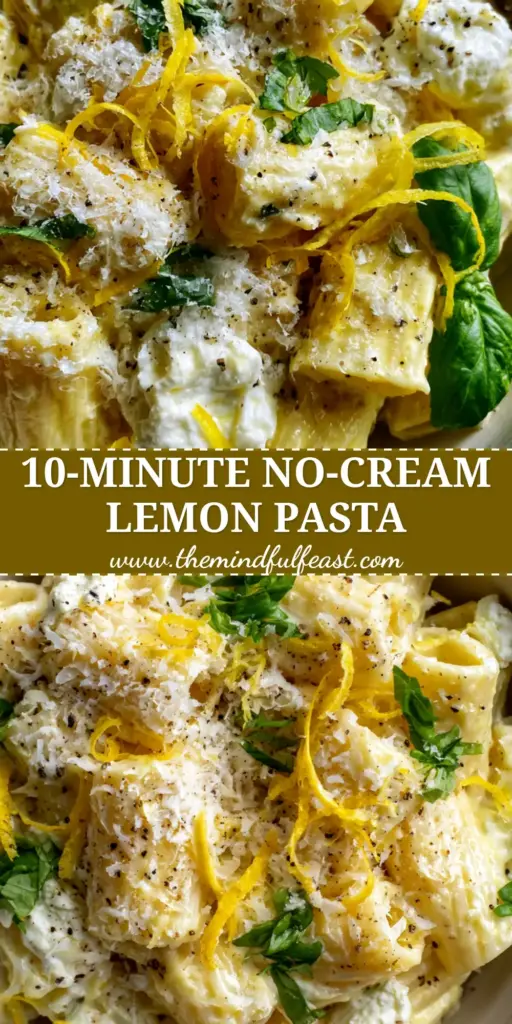
Mastering this creamy lemon ricotta pasta is a rite of passage for any home cook looking to elevate their pasta game. By focusing on the visual cues—the glossy sheen, the snowy cheese, and the vibrant herbs—you create a dish that tastes as good as it looks. The balance of citrus and silk is truly unmatched.
Did you try this recipe? We would love to see your plating! Leave a comment below or share your photos and tag us. Don’t forget to save this recipe to your “Easy Dinners” board on Pinterest so you can find it whenever you need a 20-minute gourmet meal.