There is a specific, electrifying moment when you first bite into a perfectly executed Korean Cabbage Salad. The initial crunch of the cold, crisp greens gives way to a complex explosion of savory, sweet, and spicy flavors. Unlike traditional fermented kimchi, this fresh version—often called Geotjeori—is designed for immediate gratification, capturing the peak texture of napa cabbage in a vibrant crimson coat.
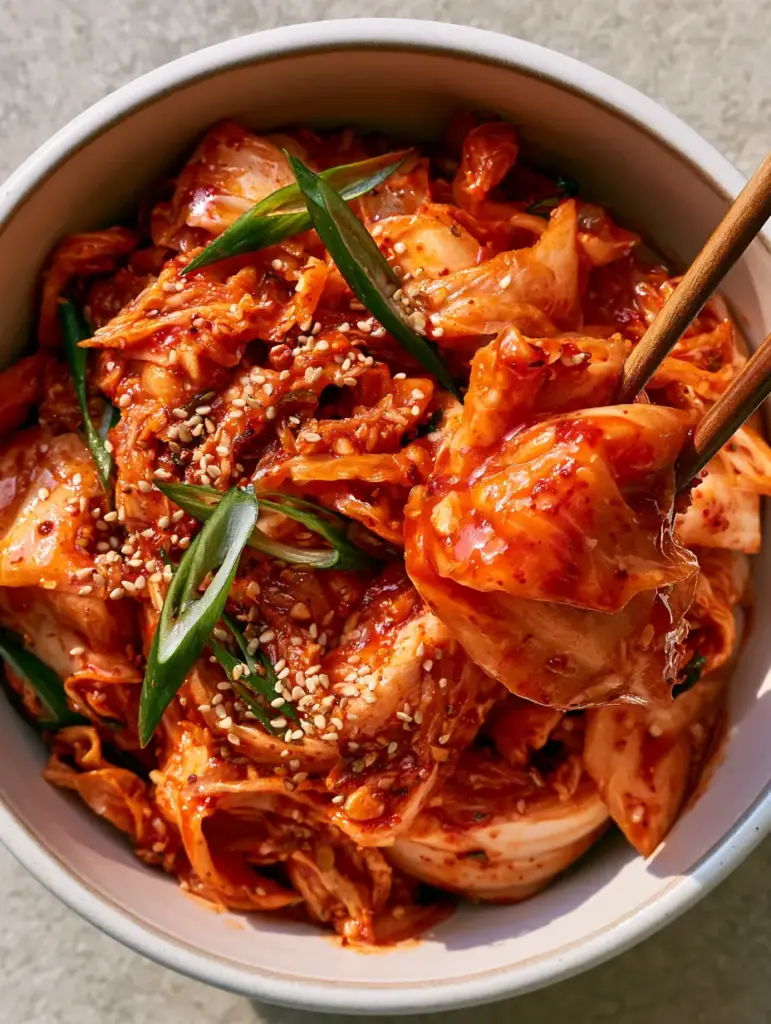
The visual appeal is just as striking as the flavor. Imagine a large, modern matte-white ceramic bowl overflowing with hand-torn leaves, each one thoroughly glistening under a thick, glossy, vibrant crimson-red chili sauce. Small flecks of minced garlic and red pepper flakes cling to every fold, while a generous dusting of toasted white sesame seeds adds a nutty contrast to the deep red hues. This is not just a side dish; it is a sensory experience that brings professional Korean culinary techniques directly to your home kitchen.
Why You Will Crave This Spicy Napa Cabbage Experience
- Unbeatable Texture: By using hand-torn napa cabbage instead of knife-cut, we create irregular edges that grip the glossy dressing far better than smooth edges ever could.
- Visual Vibrancy: The contrast between the bright green scallions sliced on a sharp diagonal and the deep crimson gochugaru sauce makes this a show-stopping addition to any table.
- Instant Gratification: Unlike traditional fermented sides, this Korean Cabbage Salad requires zero wait time—you get all the bold, punchy flavors of Korea in under twenty minutes.
- Balanced Heat: The combination of fresh minced garlic and premium Korean chili flakes provides a warm, lingering heat that is perfectly balanced by rice vinegar and sesame oil.
Sourcing The Essentials for an Authentic Crimson Dressing
To achieve the specific “glossy red” look and punchy flavor profile seen in our visual blueprint, you need a combination of fresh aromatics and shelf-stable Korean staples. Each ingredient serves a scientific purpose in the emulsification and flavor balance of the dish.
Fresh Napa Cabbage: Look for a head that feels heavy for its size with tight, pale-green leaves. The high water content in the stalks provides that essential “cold crisp” snap that defines a high-quality Korean Cabbage Salad.
Gochugaru (Korean Red Chili Flakes): This is the soul of the dish. Unlike standard crushed red pepper flakes, gochugaru is seedless, offering a smoky, slightly sweet heat and that iconic vibrant red color without being overwhelmingly spicy.
Gochujang (Korean Chili Paste): While gochugaru provides the spice, a small amount of gochujang adds body and that “glossy” sheen to the dressing. It acts as a thickener, ensuring the sauce clings to the hand-torn leaves rather than pooling at the bottom of the bowl.
Fresh Garlic and Scallions: We use a heavy hand with minced garlic for a sharp, pungent bite. The scallions should be sliced on a long diagonal to provide structural height and a fresh, onion-forward crunch that cuts through the richness of the sesame oil.
Toasted White Sesame Seeds: These are more than a garnish. When scattered generously, they provide tiny bursts of toasted nuttiness that complement the earthy notes of the chili.
Liquid Gold (Sesame Oil and Rice Vinegar): Toasted sesame oil provides the fat needed to carry fat-soluble flavors, while rice vinegar adds the necessary acidity to brighten the heavy spice notes. For a slightly sweeter profile, you might consider how the dressing compares to the acidity in a classic green bean salad.
Must-Have Tools for the Perfect Slaw Texture
You don’t need a high-tech kitchen to master this Korean Cabbage Salad, but a few specific tools will ensure your results match our visual prompt exactly. First, a large mixing bowl—preferably stainless steel or ceramic—is vital to allow you to toss the cabbage without bruising the delicate hand-torn leaves.
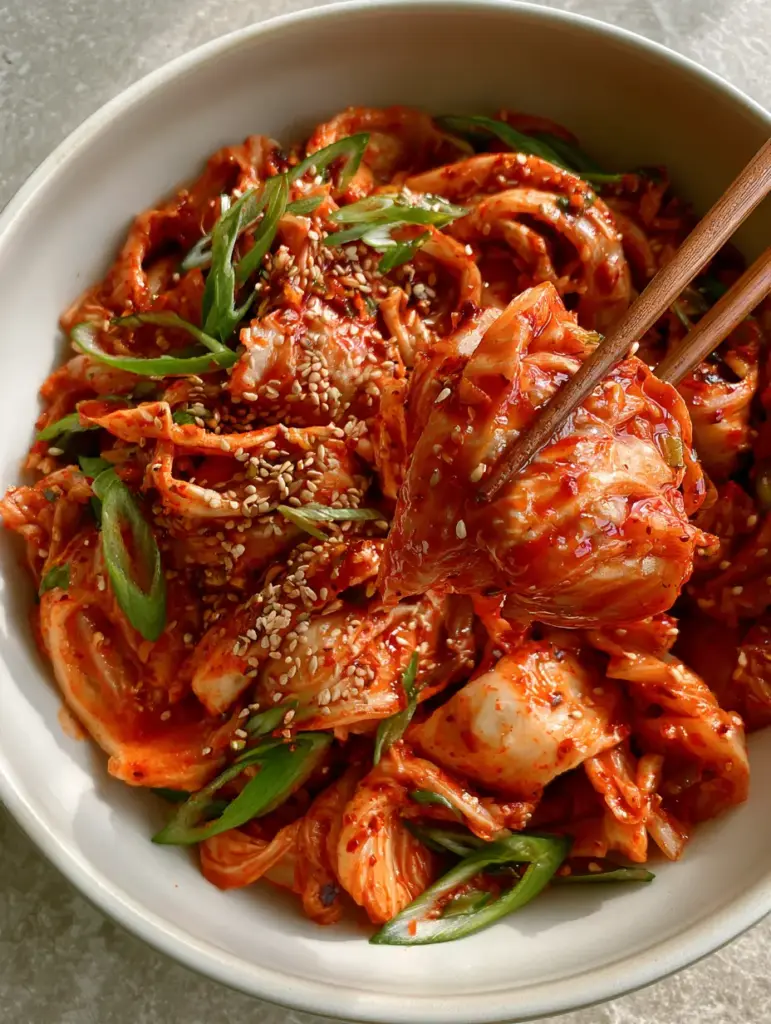
A sharp chef’s knife is non-negotiable for achieving those professional diagonal-sliced green onions. The sharper the blade, the cleaner the cut, which prevents the scallions from becoming slimy. Finally, consider using a pair of wooden chopsticks for the final plating; they allow you to lift and aerate the cabbage, creating the “sauce-dripping portion” visual that makes this dish so appetizing.
The Master Blueprint: How to Make Korean Cabbage Salad
Preparing the Hand-Torn Cabbage
Start by discarding the very outer leaves of the napa cabbage if they are wilted. Cut the head into quarters lengthwise, then use your hands to tear the leaves into bite-sized, irregular pieces. This “hand-torn” method increases the surface area for the dressing to adhere to.
Place the torn leaves into a large basin of ice-cold water for 5 minutes. This “shocks” the cabbage, ensuring it stays crisp even after the salt in the dressing is applied. Drain thoroughly and use a salad spinner or clean kitchen towels to ensure the leaves are bone-dry. Any excess water will dilute the glossy red sauce.
Crafting the Glossy Crimson Dressing
In a small bowl, whisk together the minced garlic, gochugaru, gochujang, rice vinegar, soy sauce, and sesame oil. To achieve the specific “glossy” look, add a teaspoon of honey or rice syrup; the sugar molecules create a reflective surface that glistens under light.
Taste the dressing. It should be intensely flavorful—almost too salty and spicy on its own—because it will be diluted slightly once it coats the fresh cabbage. If you find the heat too intense, you can balance it with a little more oil, similar to how you might adjust the base for tasty gyro bowls.
The Final Toss and Plating
Add the dry cabbage to your large mixing bowl and pour the crimson sauce over the top. Use your hands (gloved, if you prefer) or large tongs to gently fold the sauce into the cabbage. Ensure every fold and crevice of the hand-torn leaves is thoroughly coated in the thick, vibrant sauce.
Add the diagonal-sliced scallions and half of the toasted sesame seeds. Toss once more. Transfer the salad to a matte-white ceramic bowl, piling it high to create vertical interest. Scatter the remaining sesame seeds and a few extra red pepper flakes over the top for the final forensic visual touch.
Expert Tips for a Professional Result
- Dryness is Key: If your cabbage is even slightly damp, the dressing will slide off, resulting in a watery mess instead of a glossy, thick coating.
- The 10-Minute Rule: This salad is best served within 10 to 20 minutes of mixing. Any longer, and the salt will draw out the cabbage’s moisture, causing it to lose its “cold crisp” appeal.
- Garlic Intensity: Use a microplane to mince the garlic into a paste. This ensures the garlic flavor is evenly distributed throughout the salad rather than having large, harsh chunks.
- Gochugaru Quality: Always buy “Taekyung” or high-quality sun-dried Korean chili flakes. The color should be a deep, vibrant ruby, not a dull brick red.
Strategic Pairings for Your Korean Feast
This Korean Cabbage Salad is incredibly versatile. It acts as a bright, acidic foil to rich, fatty meats. It is a classic companion for Korean BBQ, but it also pairs beautifully with a simple savory pepper steak.
For a lighter lunch, serve it alongside citrus grilled shrimp or even use it as a crunchy topping for steak and potatoes to add a fusion twist. The spicy, fresh notes also complement the creaminess of a protein-packed tuna salad if you are looking for a unique side dish combination.
Frequently Asked Questions
While you can, napa cabbage is preferred for its tender leaves and high water content, which provides the specific ‘cold crisp’ texture shown in the visuals.
The gloss comes from a combination of toasted sesame oil and a liquid sweetener like honey or rice syrup, which creates a reflective sheen on the vibrant red sauce.
It is at its peak for the first 30 minutes. After that, the salt will begin to draw moisture out of the cabbage, causing it to soften.
It has a moderate kick from the gochugaru. Because Korean chili flakes are less seedy than standard flakes, the heat is warm and smoky rather than sharp and stinging.
This Korean Cabbage Salad (Geotjeori) is a ‘fresh’ salad meant to be eaten immediately, whereas traditional kimchi is fermented for days or weeks to develop a sour tang.

The Official Korean Cabbage Salad Recipe
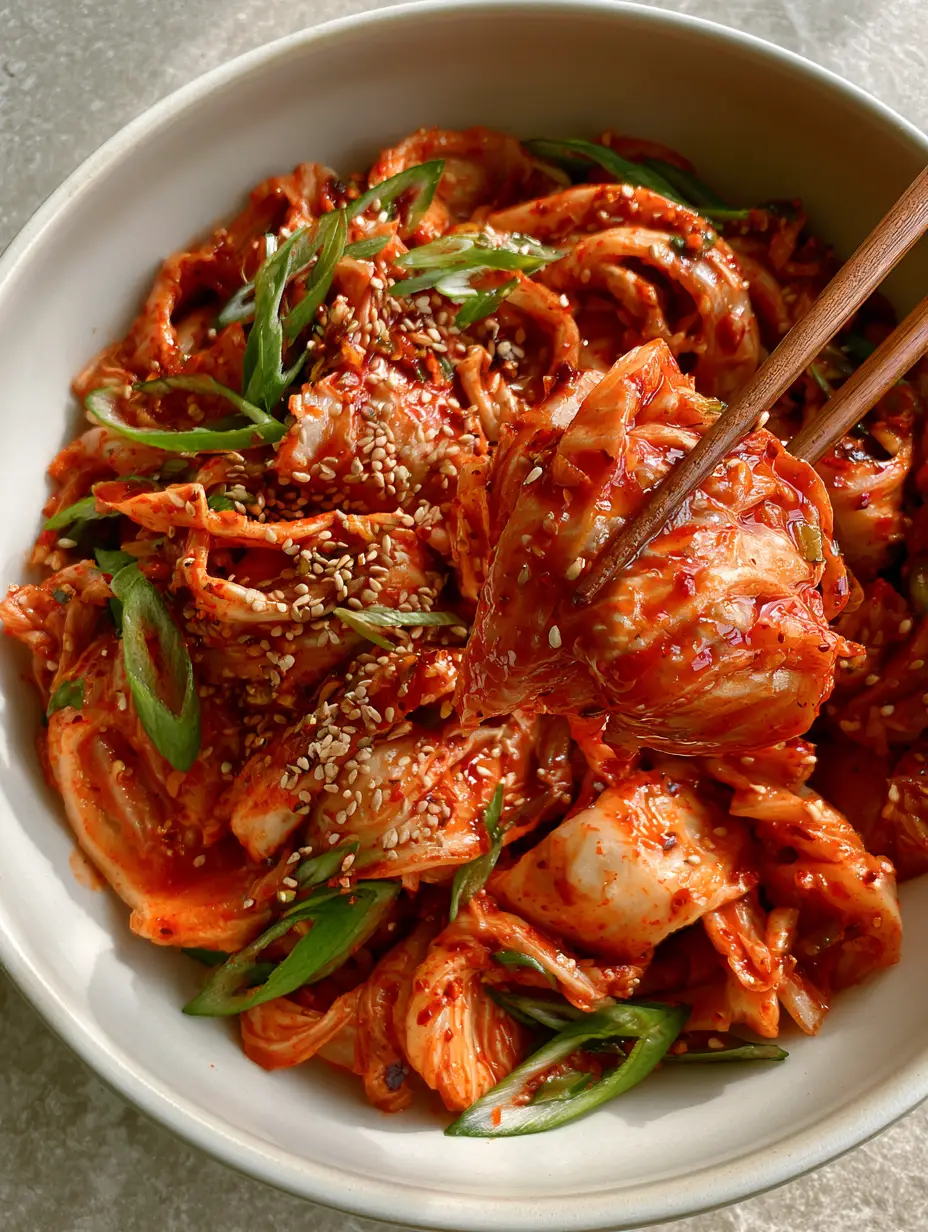
Korean Cabbage Salad: The Ultimate Quick and Spicy Napa Slaw Recipe
Ingredients
Equipment
Method
- Hand-tear the napa cabbage into bite-sized pieces. Discard the tough bottom core.
- Submerge torn cabbage in ice-cold water for 5 minutes. Drain and spin until bone-dry.
- In a small bowl, whisk garlic, gochugaru, gochujang, vinegar, soy sauce, sesame oil, and honey until a thick, glossy, crimson sauce forms.
- Pour dressing over the cabbage. Add diagonal-sliced scallions and half the sesame seeds. Toss thoroughly until every leaf glistens.
- Transfer to a matte-white bowl. Garnish with remaining sesame seeds and red pepper flakes. Serve immediately using wooden chopsticks.
Notes
Use high-quality Gochugaru for the most vibrant crimson color.
Storage and Freshness Guidelines
Unlike fermented kimchi, this fresh Korean Cabbage Salad does not age well. It is designed to be eaten immediately while the cabbage is at its crunchiest. If you do have leftovers, store them in an airtight container in the refrigerator for up to 24 hours.
Note that the cabbage will release water over time, and the salad will become more like a spicy pickled slaw. While it won’t have the same visual “gloss” or crunch, it will still be delicious added to a stir-fry or served on top of a warm bowl of rice. We do not recommend freezing this recipe, as the cellular structure of the napa cabbage will collapse, leading to a mushy texture upon thawing.
If you love experimenting with fresh, vibrant salads, be sure to check out our other favorite recipes and follow us on Pinterest for more culinary inspiration. Happy cooking!