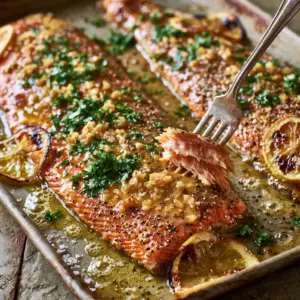
When searching for the finest trout recipes, most home cooks are chasing a specific sensory trifecta: a skin that shatters like glass, meat that flakes under the gentlest pressure, and a sauce that binds the two in a rich, citrus-kissed embrace. This recipe isn’t just another meal; it is a masterclass in texture and temperature control, designed to bring high-end bistro quality to your own kitchen.
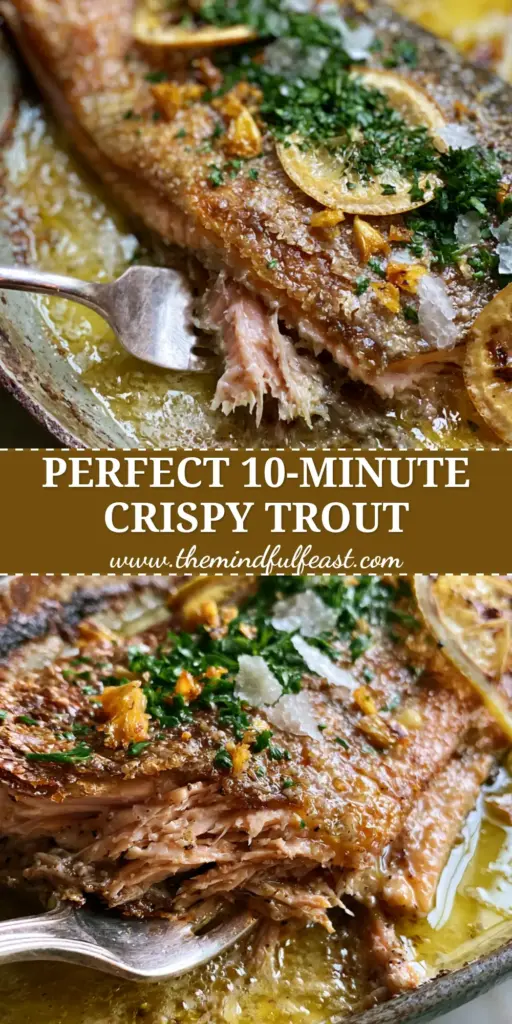
Imagine the soft morning light hitting your stovetop as a rustic cast iron skillet begins to hum with heat. The sound of cold fish hitting hot oil is the first cue that something extraordinary is happening. As you tilt the pan, a shimmering, golden-yellow lemon garlic butter sauce begins to bubble, enveloping the pale pink fillets in a fragrant bath of toasted garlic and fresh herbs.
Whether you are a seasoned angler or a supermarket shopper, mastering this preparation will redefine your expectations of what trout recipes can achieve. We are moving beyond the basic bake and diving deep into the science of the sear, ensuring every bite is seasoned with large grains of flaky sea salt and the sharp bite of cracked black pepper.
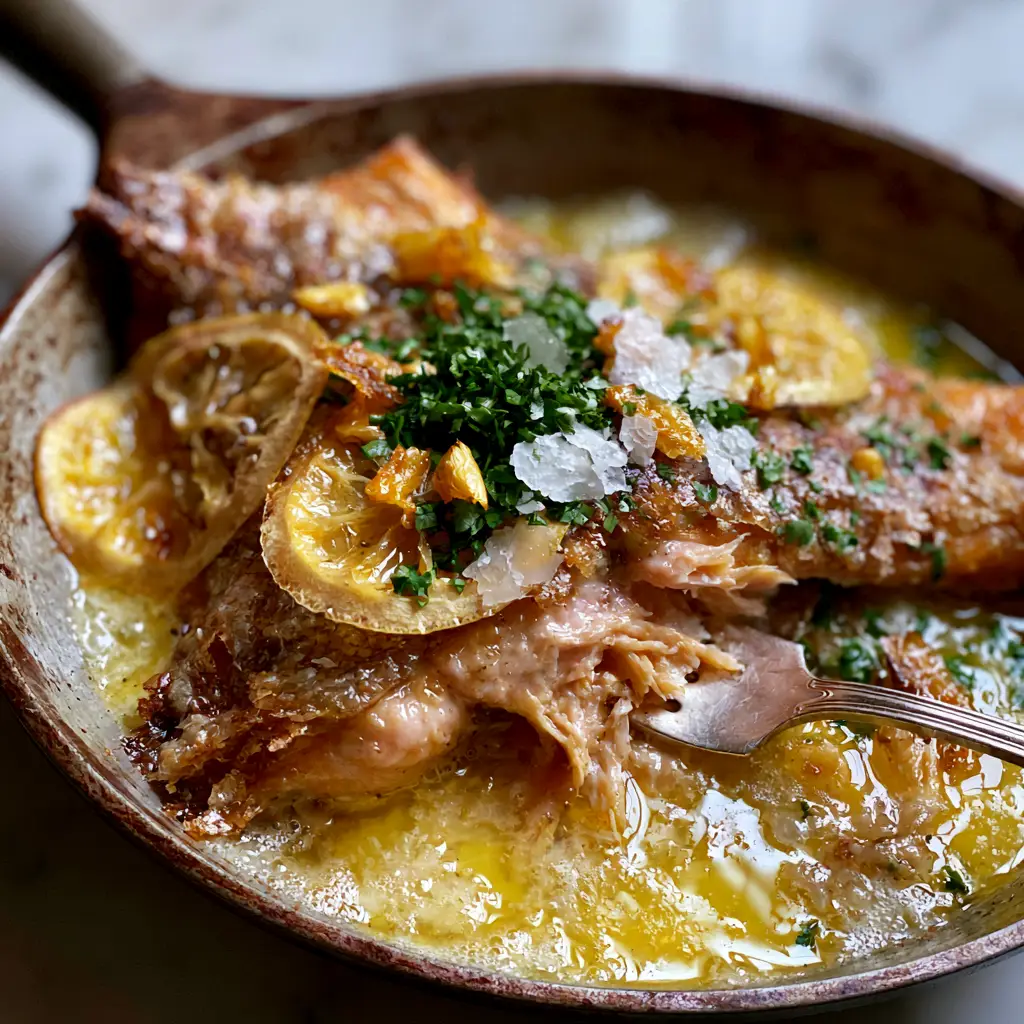
The Anatomy of the Perfect Golden-Brown Trout Fillet
- Shattered Skin Texture: We use a specific drying technique to ensure the skin achieves a deep golden-brown, exceptionally crispy finish that crackles upon contact.
- Succulent Interior: By focusing on a “skin-side down” heavy cooking ratio, the pale pink meat remains moist and tender, never becoming dry or rubbery.
- Aromatic Depth: The inclusion of toasted minced garlic bits and charred lemon slices adds layers of caramelization that simple butter cannot provide.
- Visual Brilliance: The contrast between the bright green chopped parsley and the shimmering golden sauce makes this a centerpiece-worthy dish.
The Pantry Staples for Perfectly Seared Trout
Fresh Trout Fillets (Skin-On): You need approximately 1.5 lbs (680g) of trout, preferably rainbow or steelhead. The skin is essential for protecting the delicate flesh and provides the primary textural contrast.
Unsalted Butter: We use 4 tbsp (56g) of high-quality butter. This acts as the base for our bubbling sauce, allowing us to baste the fish and infuse it with rich, milky fats.
Neutral High-Smoke Point Oil: 2 tbsp (30ml) of grapeseed or avocado oil is required for the initial sear. Unlike olive oil, these won’t burn at the high temperatures needed to achieve that shattered-skin effect.
Fresh Garlic: 4 cloves (approx. 20g), minced finely. These will become the tiny bits of golden toasted garlic that dot the surface of the fish in the final presentation.
Fresh Lemon: 1 large lemon, half sliced into paper-thin wheels and half reserved for juice. The charred lemon wheels provide a concentrated citrus punch and a beautiful visual aesthetic.
Fresh Parsley: 1/4 cup (15g) of finely chopped flat-leaf parsley. This adds the necessary herbaceous brightness to cut through the richness of the garlic butter.
Flaky Sea Salt & Cracked Black Pepper: These are your finishing touches. The large grains of sea salt provide a clean salinity that highlights the sweetness of the fish.
Essential Kitchen Tools for Professional Results
To execute trout recipes of this caliber, a heavy-bottomed cast iron skillet is non-negotiable. The heat retention of cast iron ensures that the pan temperature doesn’t drop when the cold fish is added, which is the secret to preventing sticking. You will also need a flexible metal fish spatula to get underneath the delicate skin without tearing it.
A set of paper towels is perhaps your most important “tool” here. Moisture is the enemy of the sear. By aggressively patting the skin dry, you remove the surface water that would otherwise turn into steam, resulting in soggy, rubbery skin rather than the crispy, golden-brown result we are after.
The Masterclass: Achieving the Shattered Skin Effect
Step 1: The Critical Prep Work
Remove your trout fillets from the refrigerator about 15 minutes before cooking. Use a sharp knife to gently scrape the skin side, removing any excess moisture, then pat them completely dry with paper towels. Season both sides generously with cracked black pepper and a light dusting of salt.
Step 2: The High-Heat Sear
Place your cast iron skillet over medium-high heat and add the neutral oil. Once the oil is shimmering and just starting to whisps of smoke appear, lay the fillets in the pan, skin-side down. Press down firmly with your spatula for 30 seconds to ensure the entire surface of the skin makes contact with the metal.

Step 3: Monitoring the Visual Cues
Do not move the fish for at least 3 to 4 minutes. You are looking for the “crawling heat” effect, where the pale pink meat begins to turn opaque from the bottom up. Once the skin is deep golden-brown and releases easily from the pan, flip the fillets gently.
Step 4: The Butter Baste and Char
Reduce the heat to medium and add the butter, minced garlic, and lemon wheels to the pan. As the butter melts and begins to bubble, use a spoon to continuously pour the hot garlic butter over the fillets. This process, known as arroser, finishes the cooking of the meat while infusing it with flavor.
Step 5: The Finishing Touches
Once the garlic bits are golden and the lemon slices are slightly charred around the edges, remove the pan from the heat. The fish should be flaking apart perfectly under the pressure of a fork. Sprinkle the bright green parsley and extra flaky sea salt over the top immediately before serving.
Expert Tips for Troubleshooting Your Fish
If your fish is sticking to the pan, it’s usually because the pan wasn’t hot enough or you tried to flip it too early. The proteins in the skin will naturally “release” from the metal once a sufficient crust has formed. Be patient and wait for the visual cue of the golden edge.
For those who prefer a more Mediterranean profile, you might consider how this technique compares to other seafood preparations like garlic butter mahi mahi. While the trout is more delicate, the high-heat searing method remains a universal gold standard for fish.
Creative Pairings to Complete the Meal
To soak up that shimmering lemon garlic butter sauce, we highly recommend serving this alongside a portion of garlic butter rice. The starch acts as a sponge for the citrus and toasted garlic flavors. If you are looking for a lighter, more vibrant side, a Moroccan couscous salad provides a refreshing contrast to the richness of the butter.
If you find yourself with extra trout, you can easily pivot your leftovers into other seafood-centric meals. Much like healthy canned tuna recipes, flaked trout makes an excellent addition to cold salads or pasta dishes the following day. For those who enjoy a different flavor profile entirely, you might also enjoy our trout almondine (coming soon) for a classic nutty finish.
Storing and Reheating for Best Quality
Trout is best enjoyed immediately to appreciate the contrast between the crispy skin and the moist interior. However, leftovers can be stored in an airtight container in the refrigerator for up to two days. When reheating, avoid the microwave as it will make the skin rubbery. Instead, place the fish in a cold pan with a splash of water, cover with a lid, and heat over low until just warmed through.
Frequently Asked Questions
Yes, this pan-searing and butter-basting technique works exceptionally well for salmon, Arctic char, and mahi-mahi.
The key is to use a high-smoke point oil, ensure the cast iron skillet is properly preheated until shimmering, and pat the skin completely dry with paper towels before cooking.
Look for the meat to turn opaque and flake easily with a fork; the internal temperature should reach 145°F (63°C) for food safety while remaining moist.
Neutral oils with high smoke points, such as avocado, grapeseed, or canola oil, are best to achieve a golden crust without burning.
Using unsalted butter allows you to control the salinity of the dish perfectly, especially since we finish with flaky sea salt for texture.
The Ultimate Pan-Seared Lemon Garlic Butter Trout Recipe
Trout Recipes: The Ultimate Pan-Seared Fillet with Shattered Crispy Skin
Ingredients
Equipment
Method
- Pat the trout fillets extremely dry with paper towels. Any moisture left on the skin will prevent it from becoming crispy.
- Season the fillets with salt and cracked black pepper on both sides.
- Heat oil in a cast iron skillet over medium-high heat. Place fillets skin-side down and press for 30 seconds. Cook for 3-4 minutes until skin is golden-brown.
- Flip the fish. Add butter, garlic, and lemon slices. Spoon the bubbling butter over the fish for 1-2 minutes until meat is flaky.
- Top with toasted garlic bits, charred lemons, parsley, and flaky sea salt.
Notes
Use a high-smoke point oil like avocado or grapeseed, not butter, for the initial sear.
Closing & Call to Action
Mastering the art of pan-seared trout is a milestone for any home cook. The combination of shattered crispy skin and a bubbling garlic butter sauce creates a restaurant-level experience right in your own kitchen. If you enjoyed this guide to one of our favorite trout recipes, please leave a comment below and share your results! Don’t forget to follow us on Pinterest for more culinary inspiration and high-end food photography.