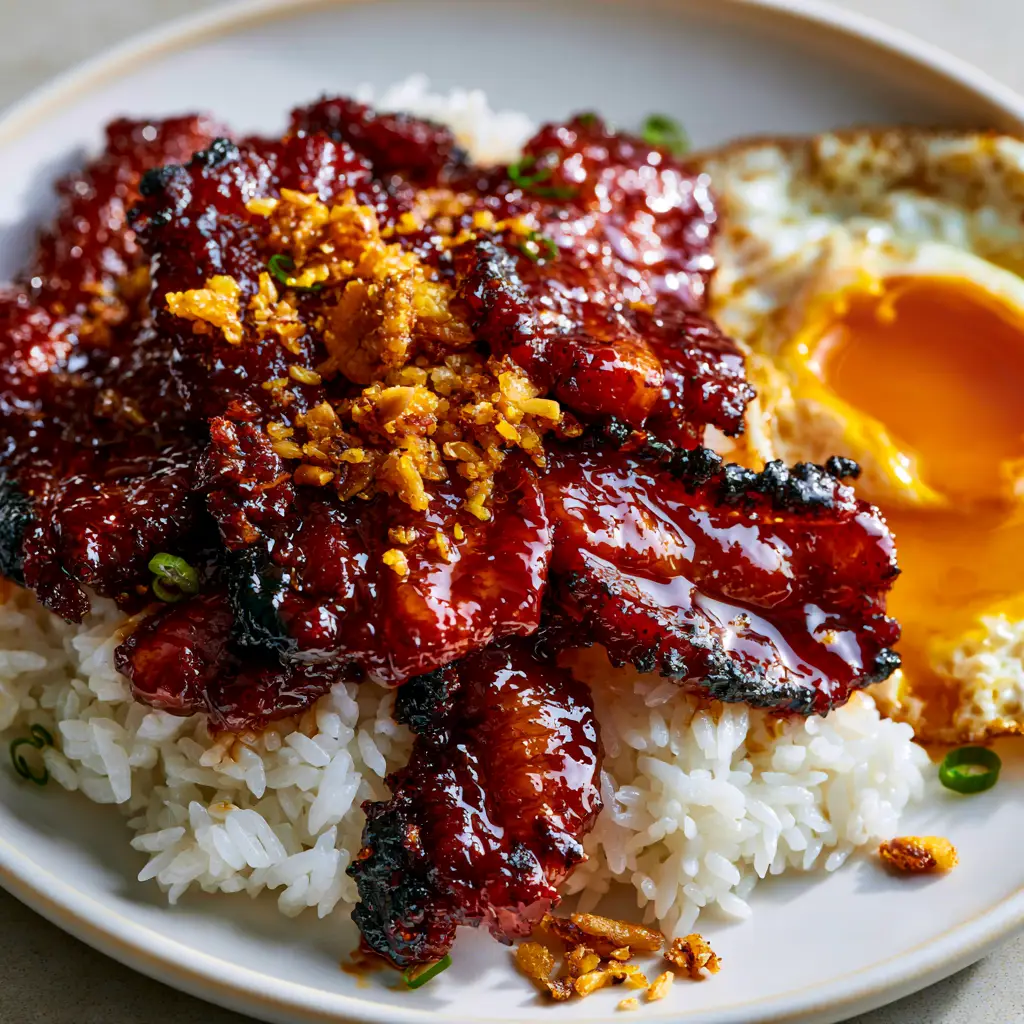
There is nothing quite like the aroma of authentic filipino pork tocino sizzling in a cast-iron skillet on a lazy Sunday morning. This iconic breakfast staple, characterized by its deep mahogany hue and irresistible sweet-salty glaze, is the cornerstone of the beloved “Tosilog” breakfast. If you have ever craved that perfect balance of tender muscle fibers and charred, caramelized edges, you are in the right place.
Our version of filipino pork tocino focuses on a forensic recreation of the classic street-food profile, elevated with high-quality pork shoulder and a natural curing process. We avoid artificial dyes, instead relying on traditional ingredients to achieve that glistening, sticky reduction that clings to every thinly sliced piece of meat. This recipe promises a sensory journey from the first whiff of garlic to the final squeeze of bright calamansi.
Whether you are a seasoned pro at Filipino cuisine or a curious home cook looking for a new weekend project, this guide will walk you through the science of curing and the art of the perfect sear. Get ready to transform a humble pork shoulder into a masterpiece of Filipino culinary tradition.
Why This Homemade Tocino Will Change Your Breakfast Game
- Perfectly Balanced Glaze: A meticulously tested ratio of sugar to salt creates a sticky mahogany sugar glaze that caramelizes without burning too quickly.
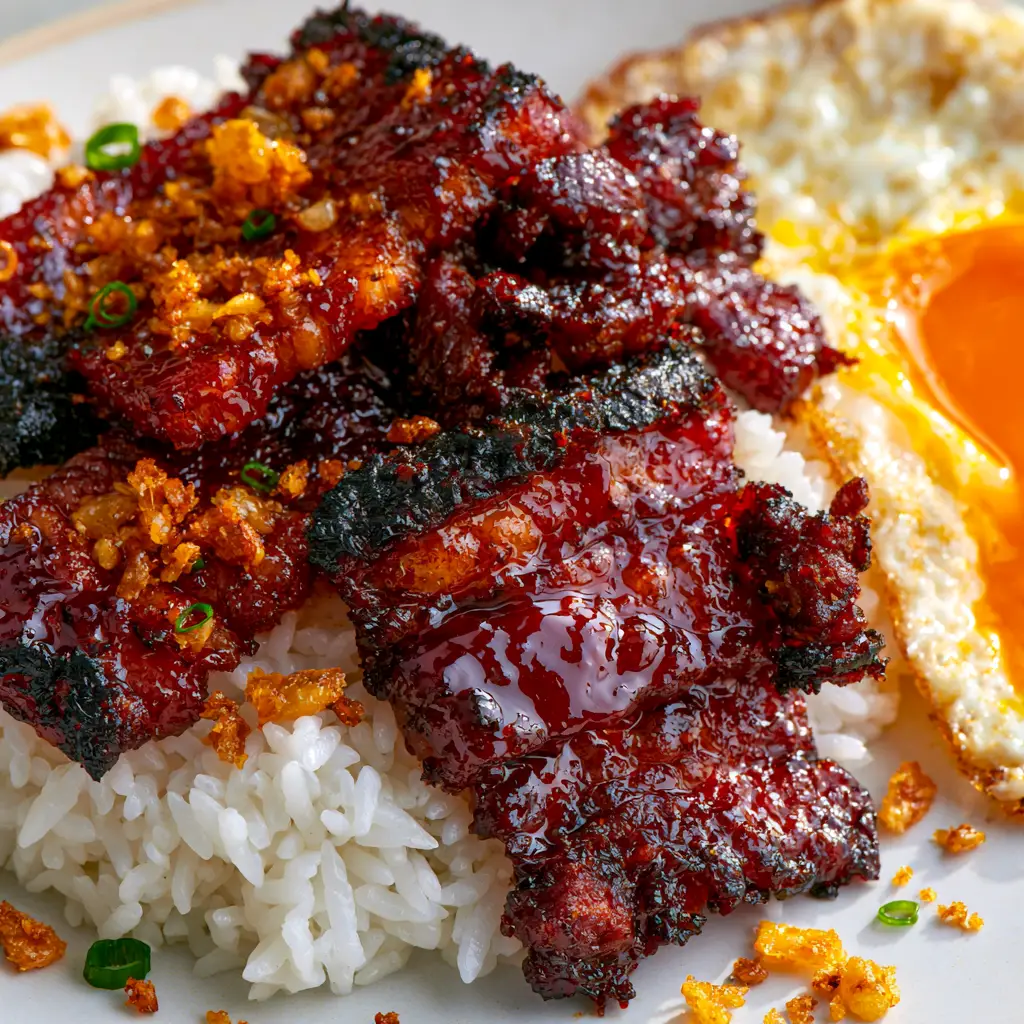
- Forensic Texture: By using pork shoulder, we ensure every bite contains enough marbling to stay succulent while achieving those sought-after charred blackened edges.
- Vibrant Natural Color: We use annatto (achuete) to reach that deep, natural mahogany color seen in professional food photography.
- Complete Silog Experience: This guide includes the specific steps for the accompanying garlic fried rice and the lacy-edged sunny-side-up egg with a runny orange yolk.
Essential Components for the Perfect Cured Pork
Pork Shoulder (Butt): You will need 2 lbs (900g) of pork shoulder, sliced thinly across the grain. This cut provides the ideal fat-to-lean ratio, ensuring the meat doesn’t dry out during the intense caramelization phase.
Dark Brown Sugar: We use 1 cup (200g) of packed dark brown sugar. The molasses content in dark brown sugar is critical for developing the deep color and the characteristic “sticky” mouthfeel of the filipino pork tocino.
Pineapple Juice: 1/2 cup (120ml) of unsweetened pineapple juice acts as a natural enzymatic tenderizer. It breaks down the tough proteins in the shoulder, resulting in that tender, “melt-in-your-mouth” quality.
Kosher Salt: 1.5 tbsp (25g) of salt is necessary for the curing process. It draws out moisture, concentrates the flavors, and preserves the meat while it marinates.
Annatto Powder (Achuete): 1 tsp (5g) provides the signature reddish-brown tint. It is a natural seed-based coloring that offers a very subtle earthy note without the chemical aftertaste of food coloring.
Garlic: 6 cloves (30g) of freshly minced garlic are used in the marinade, while an additional 4 cloves are sliced for the crispy fried garlic bits. Garlic is the aromatic backbone of any Filipino breakfast.
Soy Sauce: 2 tbsp (30ml) adds depth of flavor and umami. It bridges the gap between the sweetness of the sugar and the tang of the pineapple juice.
Neutral Oil: 3 tbsp (45ml) of canola or vegetable oil is essential for achieving the high-heat sear. You need an oil with a high smoke point to handle the sugar-heavy reduction.
Calamansi: 4-5 calamansi halves are served on the side. This tiny Filipino citrus provides the necessary acid to cut through the richness of the pork and the fried rice.
Tools of the Trade: Equipment for Success
To achieve the visual result of a “handheld smartphone photo” quality dish, you need the right tools. A heavy-bottomed non-stick skillet or a well-seasoned cast-iron pan is non-negotiable for managing the sticky glaze.
You will also need a sharp chef’s knife to achieve those thin, uniform slices of pork shoulder. A meat mallet is optional but helpful if your slices are a bit thick; a quick pound ensures even cooking and better absorption of the cure.
Finally, ensure you have a splatter guard. Because filipino pork tocino contains high sugar and moisture, it tends to pop and sizzle aggressively once the water evaporates and the caramelization begins.
Step-by-Step Guide to Mastering Filipino Pork Tocino
Preparing and Curing the Meat
Start by slicing your pork shoulder into thin strips, roughly 1/4 inch (6mm) thick. In a large mixing bowl, combine the brown sugar, salt, pineapple juice, annatto powder, soy sauce, and minced garlic.
Whisk the marinade until the sugar is mostly dissolved. Submerge the pork slices into the mixture, ensuring every piece is thoroughly coated. For the best filipino pork tocino, cover and refrigerate for at least 24 hours, though 48 hours is optimal for the flavors to penetrate the muscle fibers deeply.
The “Water-Reduction” Searing Method
Unlike regular frying, tocino requires a two-stage cooking process. Place the marinated pork and all of its liquid into a wide skillet. Add 1/2 cup (120ml) of water to the pan.
Bring the liquid to a simmer over medium heat. This step “braises” the pork, ensuring it is fully cooked and tender before the sugar begins to caramelize. Allow the water to evaporate entirely; you will notice the liquid turning from a thin juice into a thick, bubbling mahogany syrup.
Achieving the Charred Blackened Edges
Once the water is gone, add the neutral oil to the pan. Increase the heat to medium-high. Watch closely as the sugar starts to fry in the oil, clinging to the meat.
Flip the slices frequently. Look for sensory cues: the smell will turn from sweet to slightly toasted, and you will see the edges of the pork turn dark, almost black. These charred edges are the hallmark of authentic filipino pork tocino and provide a smoky contrast to the sweet glaze.
Crafting the Sinangag (Garlic Fried Rice)
While the pork rests, use the same pan (or a clean one with a little garlic oil) to fry 3 cups (450g) of day-old white rice. Toss in plenty of minced garlic and fry until the rice is fluffy and fragrant.
For the finishing touch, sprinkle a generous amount of crispy fried garlic bits over the top. This provides a crunch that contrasts beautifully with the tender pork and fluffy rice textures often found in Asian-inspired meals.
The Perfect Sunny-Side-Up Egg
Heat a small amount of oil in a separate non-stick pan over medium-high heat. Crack the egg into the hot oil; the edges should immediately begin to sizzle and form “lace-like” crispy brown fringes.
Keep the heat high enough to crisp the bottom but low enough that the yolk remains bright orange and perfectly runny. This runny yolk acts as a secondary sauce for the filipino pork tocino and the rice.
Expert Tips for Culinary Excellence
- Don’t Rush the Cure: The salt needs time to alter the protein structure. If you cook it too early, you’ll have “sweet pork” rather than “cured tocino.”
- Temperature Control: If the sugar is burning before the meat is charred, your heat is too high. Aim for a medium-high “sizzle” rather than a “smoke.”
- Use Day-Old Rice: Freshly cooked rice has too much moisture and will become mushy. Cold, leftover rice grains separate easily for that perfect garlic fry.
- The Calamansi Secret: Don’t skip the calamansi. If you can’t find it, a mixture of lime and tangerine juice is a decent substitute to provide that bright acidity.
Storing and Reheating Your Leftovers
If you have leftovers, filipino pork tocino stores exceptionally well. Keep it in an airtight container in the refrigerator for up to 5 days. For longer storage, you can freeze the raw, marinated meat for up to 3 months.
To reheat, avoid the microwave as it can make the sugar glaze rubbery. Instead, a quick flash in a hot skillet with a teaspoon of water will revive the stickiness and the charred texture. If you’re looking for other meal prep ideas, this pork is a great addition to creative adult lunch boxes.
The Best Pairings for a Filipino Feast
While the traditional “Silog” is the gold standard, this sweet pork is surprisingly versatile. It pairs wonderfully with a fresh crisp cucumber salad to balance the sugar and fat.
For those who enjoy a fusion approach, try serving tocino slices alongside savory zucchini fritters for a unique brunch experience. The saltiness of the fritters complements the mahogany glaze perfectly. If you are planning a larger spread, consider adding stuffed peppers as a colorful side dish to round out the meal.
Frequently Asked Questions
Yes, but pineapple juice contains bromelain, which helps tenderize the pork shoulder. If you omit it, ensure you marinate the pork for the full 48 hours to allow the salt and sugar to break down the fibers.
To achieve lacy egg edges (prizolles), use a generous amount of hot oil and ensure the pan is at a medium-high temperature before cracking the egg. The high heat flash-fries the whites instantly.
While pork shoulder is the most popular choice due to its fat content, you can also find chicken tocino or beef tocino. The curing process remains largely the same across different proteins.
Traditionally, tocino gets its mahogany or reddish hue from annatto powder (achuete) or saltpeter (prague powder). In this recipe, we use annatto powder for a natural, chemical-free color.
Toughness usually results from skipping the ‘water-braising’ step. Simmering the pork in a little water before frying ensures the meat is cooked through and tender before the sugars begin to caramelize.
The Ultimate Filipino Pork Tocino Recipe Card
Filipino Pork Tocino: The Ultimate Sticky Mahogany Cured Pork Recipe
Ingredients
Equipment
Method
- In a large bowl, whisk together brown sugar, salt, pineapple juice, annatto, soy sauce, and minced garlic.
- Add sliced pork shoulder to the bowl, coating thoroughly. Cover and refrigerate for 24-48 hours.
- Place pork and marinade in a skillet with 1/2 cup (120ml) water. Simmer over medium heat until water evaporates.
- Add 3 tbsp oil. Increase heat to medium-high. Fry pork, turning frequently, until mahogany glaze is sticky and edges are charred and blackened.
- Fry garlic bits until golden. Toss with rice. Fry eggs until edges are crispy-lace and yolks are runny.
- Serve tocino over garlic rice. Garnish with scallions and fried garlic. Add egg and calamansi on the side.
Notes

Closing the Kitchen: Join the Feast!
Mastering filipino pork tocino is a rite of passage for any lover of Southeast Asian cuisine. The combination of the deep mahogany glaze, the hit of garlic, and the bright spark of calamansi creates a flavor profile that is truly world-class. It is a dish that invites you to slow down and savor the morning.
We would love to see your breakfast creations! Did you manage to get those perfect lacy edges on your egg? Is your rice extra garlicky? Leave a comment below and let us know your favorite way to serve tocino. Don’t forget to sign up for our newsletter for more deep-dives into culinary forensics and follow us on Pinterest to save this recipe for your next brunch!