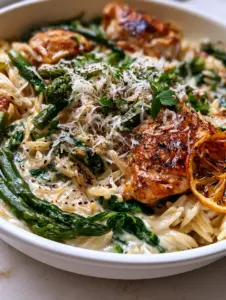
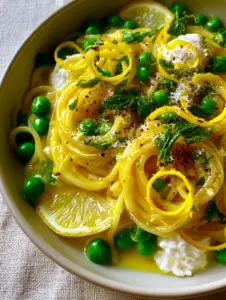
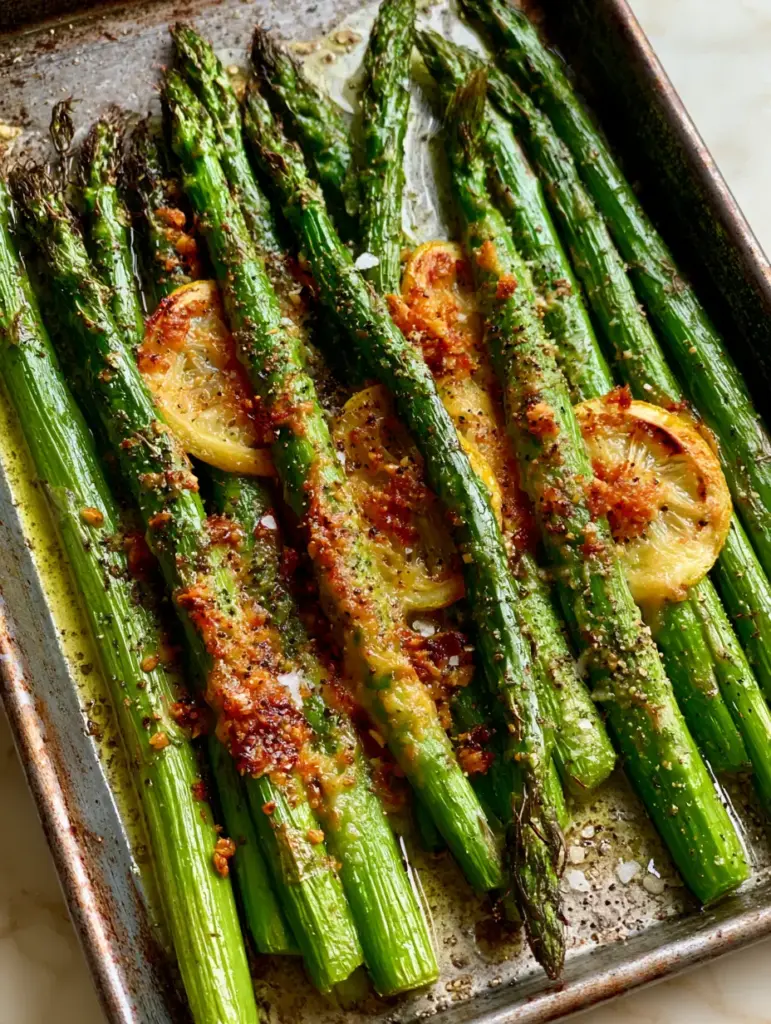
There is a specific culinary magic that happens when high heat meets a dark, weathered metal sheet pan. This sheet pan asparagus recipe isn’t just a side dish; it is a masterclass in texture and vibrant color. Imagine vibrant emerald green spears, their tips perfectly charred and crispy, nestled against thin, caramelized lemon rounds with glistening pulp.
The beauty of this dish lies in the contrast between the tender-crisp stalks and the thick, uneven coating of golden-brown toasted parmesan cheese. Caramelized minced garlic bits cling to each spear, releasing an aroma that fills the kitchen the moment the oven door opens. It is a visual and sensory triumph that elevates the humble vegetable to center stage.
Whether you are looking for a quick weeknight addition or a sophisticated side for a dinner party, this sheet pan asparagus delivers. By following a few professional techniques, you can ensure your vegetables never turn mushy, instead achieving that high-end food blog aesthetic with realistic depth and gentle highlights.
Why This Garlic Parmesan Roasted Asparagus Works
- Vibrant Textural Contrast: The combination of tender stalks and ultra-crispy, charred tips provides a satisfying crunch in every bite.
- Layered Flavor Profile: You get brightness from the roasted lemon, umami from the toasted parmesan, and earthy sweetness from the caramelized garlic.
- Visual Excellence: The emerald green color is preserved through high-heat roasting, making it a stunning centerpiece on any light-colored marble countertop.
- Effortless Execution: Using a single sheet pan minimizes cleanup while maximizing the surface area for the Maillard reaction to occur.
The Anatomy of Perfect Sheet Pan Asparagus
To achieve the result seen in professional food photography, we must select the right ingredients. Not all asparagus is created equal, and the thickness of your spears will dictate your cooking time and final texture.
Fresh Asparagus Spears: Look for firm, vibrant green stalks. Avoid any that appear limp or have wet, mushy tips, as these will not char properly in the oven.
Extra Virgin Olive Oil: This is our foundational fat. A glistening coat of olive oil (approximately 2 tbsp (30ml)) ensures the heat is distributed evenly and helps the garlic and cheese adhere to the stalks.
Parmesan Cheese: Use freshly grated parmesan for the best “crust” effect. The pre-shaken canisters contain anti-caking agents that prevent the cheese from melting and toasting into those beautiful golden-brown clusters.
Fresh Garlic: Mincing your garlic finely allows it to caramelize into tiny, flavor-packed bits that cling to the spears without burning into bitter charcoal.
Lemon Rounds: Slicing a whole lemon into paper-thin rounds adds a visual punch and a concentrated citrus essence as the edges char and the pulp collapses.
Seasoning Essentials: Heavy dusting of fresh cracked black pepper and coarse sea salt flakes are the final “jewelry” of the dish, providing pops of saltiness and heat.
Essential Tools for Roasted Vegetable Success
To replicate the macro, top-down angled shot of this dish, you need the right gear. A dark, weathered metal sheet pan is actually superior to a shiny new one, as the dark surface absorbs more heat, leading to better charring on the bottom of the vegetables.
A sharp chef’s knife is non-negotiable for achieving those clean, thin lemon slices. You may also want a large mixing bowl to toss the ingredients thoroughly before they hit the pan, ensuring every inch of the asparagus is shimmering with oil.
How to Prep and Roast for Maximum Flavor
Trimming and Cleaning the Spears
Start by washing 1 lb (454g) of asparagus in cold water and patting them completely dry. This is a critical culinary step; moisture is the enemy of char. If the spears are wet, they will steam rather than roast.
Trim the woody ends by finding the natural breaking point of one spear, then lining the rest up and cutting them to match. This ensures every piece in your sheet pan asparagus is perfectly edible and tender.
The Art of Tossing and Coating
In a large bowl, combine the asparagus with 2 tbsp (30ml) of extra virgin olive oil, 3 cloves (15g) of minced garlic, and 1/2 cup (45g) of freshly grated parmesan. Use your hands to massage the oil and cheese into the tips.
Arrange the spears in a single layer on your dark metal pan. Do not overcrowd them. If they are piled on top of each other, they will lose that vibrant emerald green and become a dull, olive color.
Achieving the Perfect Char
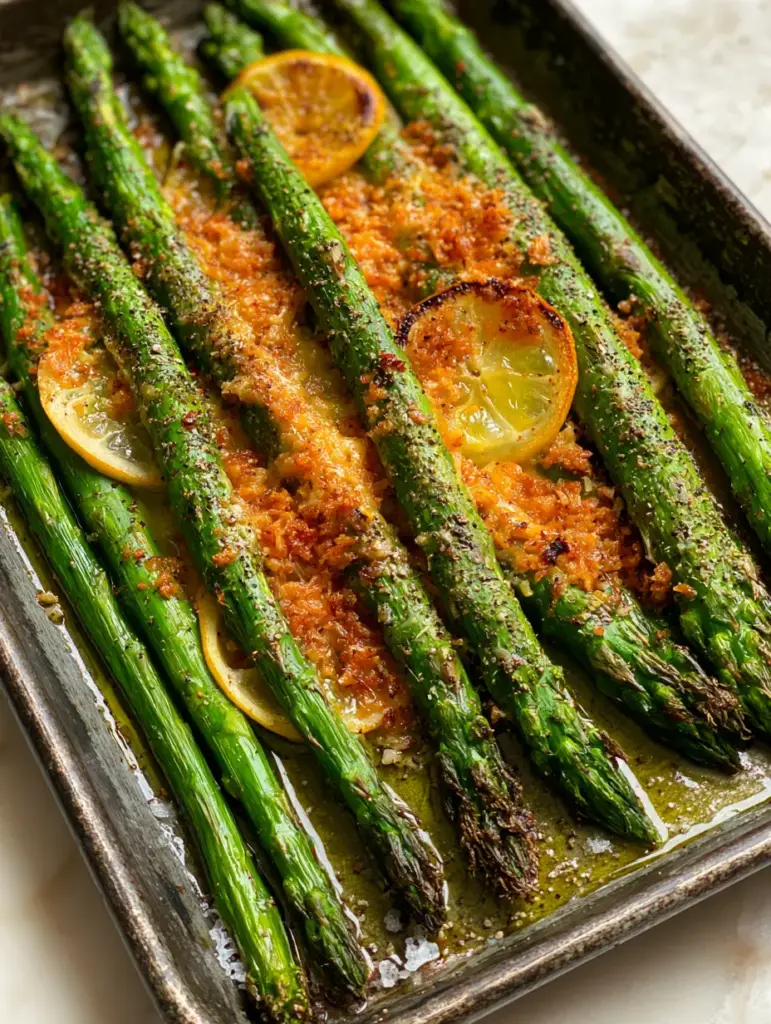
Roast at 400°F (200°C) for 12-15 minutes. Halfway through, nestle your thin lemon rounds between the spears. You are looking for specific sensory cues: the sound of sizzling oil and the sight of the parmesan turning a deep, toasted golden-brown.
The tips should look slightly dehydrated and dark, almost like lace. This “char” is where the concentrated flavor lives. Once removed from the oven, immediately sprinkle with the coarse sea salt flakes and extra cracked pepper.
Expert Tips for the Elite Home Cook
- The “Snap” Test: Instead of cutting ends, bend the asparagus until it snaps. It will naturally break right where the woody part ends and the tender part begins.
- Cold Pan vs. Hot Pan: For extra crispiness, place your sheet pan in the oven while it preheats. Tossing the cold asparagus onto a hot pan creates instant sear.
- Avoid Garlic Burn: If your oven runs hot, add the minced garlic halfway through the cooking time to ensure it caramelizes without turning black.
- High-Quality Salt: Using Maldon or another flaky sea salt provides a visual texture that table salt simply cannot replicate.
Creative Ways to Repurpose Leftovers
If you find yourself with extra sheet pan asparagus, it stores remarkably well. Place them in an airtight container for up to 3 days. While they will lose their initial crispness, the flavor remains intense.
Try chopping the leftover spears and folding them into a zucchini spinach feta casserole for a boost of roasted flavor. Alternatively, they make an excellent topping for a honey garlic beef rice bowl the following day.
What to Serve with Roasted Asparagus
This side dish is incredibly versatile. Its bright acidity and salty crust make it the perfect partner for rich proteins. We highly recommend pairing it with pan seared tuna steaks or a delicate pan seared rainbow trout.
For a full sheet pan meal, you can start this asparagus during the final minutes of your sheet pan chicken fajitas if you have a large enough oven, creating a vegetable-forward feast with minimal effort.
Frequently Asked Questions
It is not recommended. Frozen asparagus has a compromised cell structure that releases too much water when heated, making it impossible to achieve the charred, crispy tips and toasted crust described here.
Tossing the minced garlic thoroughly in olive oil helps protect it. If your garlic consistently burns, try mincing it into slightly larger bits or adding it to the pan halfway through the roasting process.
For very thick spears, you can lightly peel the bottom two inches with a vegetable peeler to ensure tenderness. However, for standard spears, simply trimming the woody ends is sufficient.
A high temperature of 400°F (200°C) to 425°F (220°C) is ideal. This allows the outside to char and the cheese to toast before the inside becomes overcooked and soft.
Mushy asparagus is usually caused by two things: overcrowding the pan or excess moisture. Ensure your spears are completely dry before roasting and spread them out so they have room to roast rather than steam.
The Ultimate Sheet Pan Asparagus Recipe
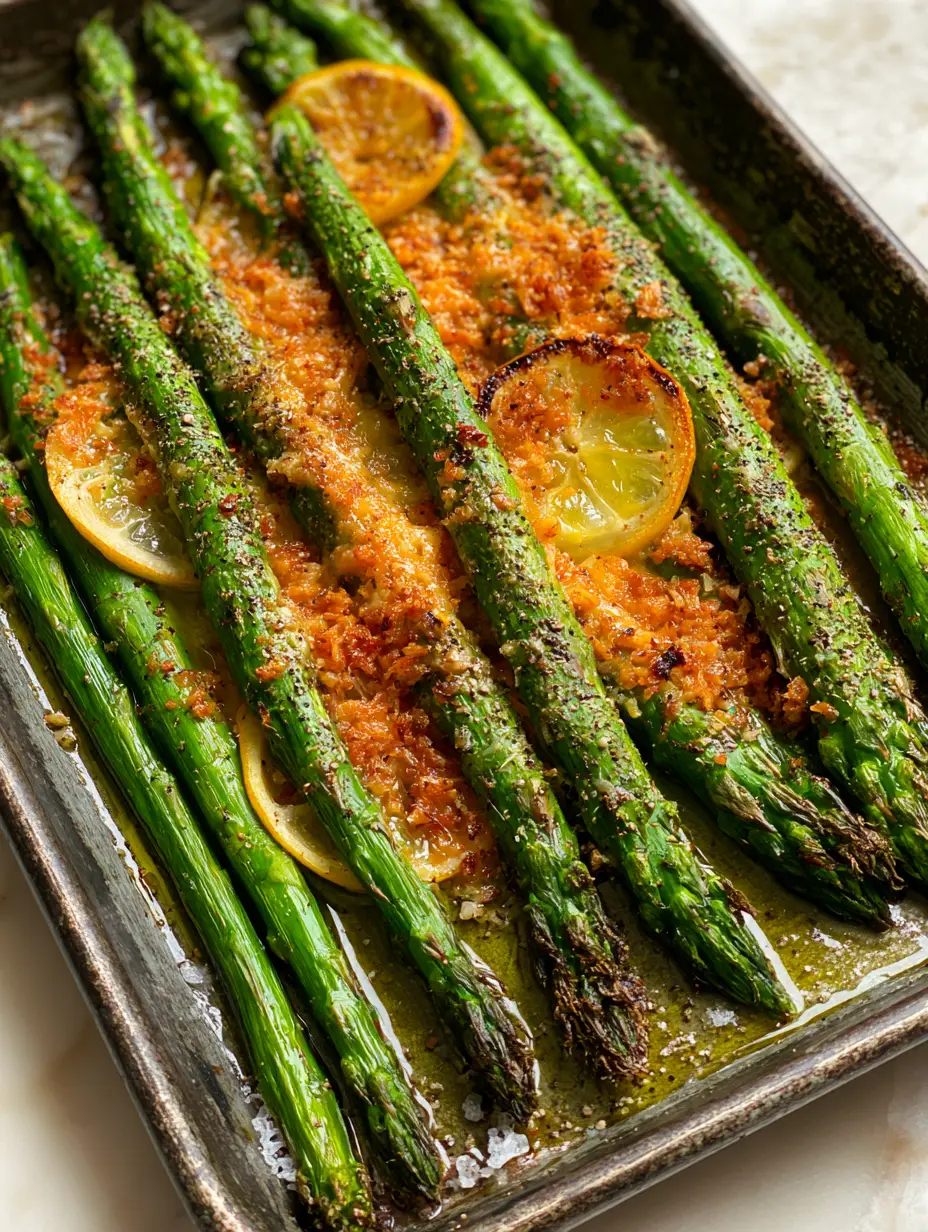
Sheet Pan Asparagus with Roasted Lemon and Garlic Parmesan Crust
Ingredients
Equipment
Method
- Preheat your oven to 400°F (200°C). Wash the asparagus and dry thoroughly with a kitchen towel.
- Trim the woody ends off the asparagus spears by snapping or cutting them.
- In a bowl, toss the asparagus with olive oil, minced garlic, and grated parmesan until evenly coated.
- Spread the spears in a single layer on a dark metal sheet pan. Nestlé lemon rounds between the spears.
- Roast for 12-15 minutes until tips are charred and crispy, and cheese is golden-brown.
Notes
Use freshly grated parmesan for the best toasted crust texture.
Mastering the Sheet Pan Method
Mastering the sheet pan asparagus is a gateway to becoming a more confident cook. It teaches you the importance of heat management, the necessity of fat for texture, and the power of simple garnishes like lemon and salt. The result is a dish that looks like a handheld smartphone photo from a high-end blog but tastes like a five-star restaurant side.
We invite you to try this recipe and see the difference that high-heat roasting makes. If you enjoyed this visual and culinary guide, please leave a comment below and share your results! Don’t forget to follow us and pin this recipe to your favorite boards on Pinterest.