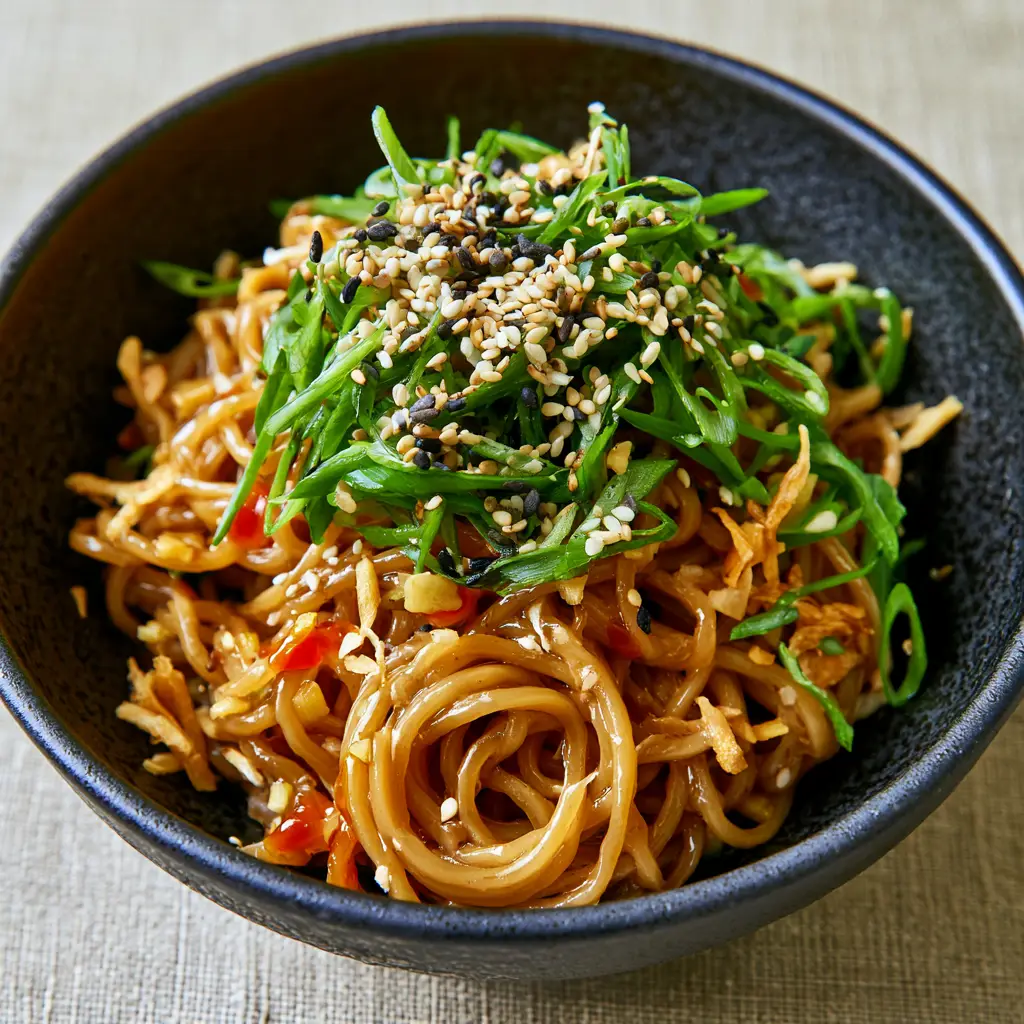
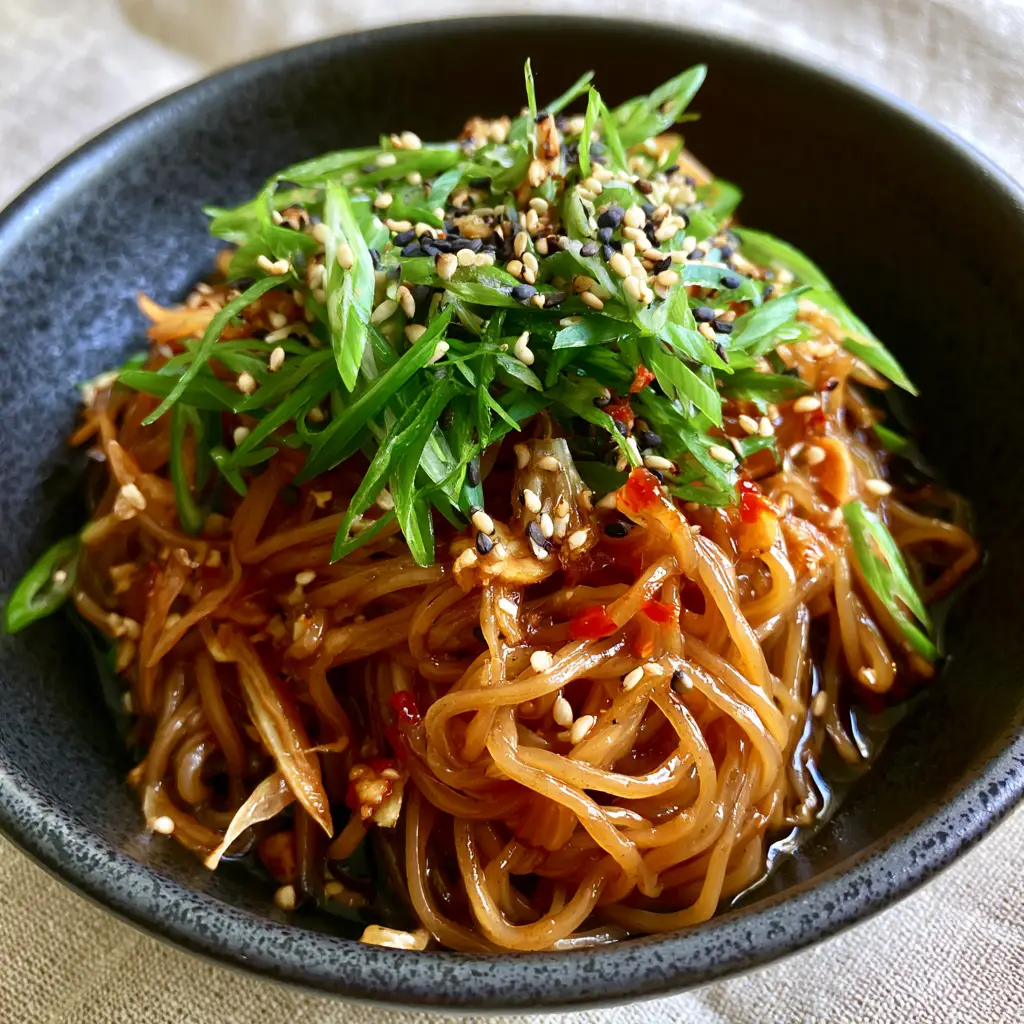
When it comes to craving-worthy Asian noodle recipes, few dishes can compete with the visual and sensory impact of a dark amber, glossy garlic sesame noodle bowl. Imagine a tangle of wheat noodles shimmering under natural light, each strand coated in a thick, translucent glaze that promises a balance of umami, heat, and sweetness. This specific recipe isn’t just about feeding your hunger; it is a masterclass in texture, combining the soft bite of wheat with the brittle crunch of golden-fried garlic slivers and the sharp, fresh snap of bias-cut scallions.
Achieving that professional, “smartphone-photo-ready” look requires more than just tossing ingredients in a pan. We are focusing on the Maillard reaction through fried aromatics and a carefully emulsified soy-sesame reduction. Whether you are looking for a quick weeknight win or a centerpiece for a casual dinner party, these Asian noodle recipes deliver high-specular highlights and deep, complex flavors that rival any high-end noodle bar.
Why This Glossy Garlic Noodle Technique Works
- Textural Contrast: The combination of slippery wheat noodles and crispy fried garlic slivers provides a sophisticated mouthfeel that keeps every bite interesting.
- Visual Depth: By using a blend of dark soy and toasted sesame oil, we achieve a dark amber hue that reflects light beautifully, creating that sought-after “wet” look.
- Aromatic Foundation: Infusing the oil with minced ginger and garlic slivers ensures the flavor is built into the base of the dish, not just sitting on top.
- Garnish Intensity: A heavy dusting of both toasted white and black sesame seeds adds a professional aesthetic and a nutty finish that balances the heat of the red pepper flakes.
The Anatomy of a Perfect Dark Soy-Sesame Glaze
To master Asian noodle recipes, one must first understand the behavior of the glaze. We aren’t just making a sauce; we are creating a translucent coating that clings to the wheat noodles without pooling at the bottom of the bowl. This requires a specific ratio of liquid to lipids.
Wheat Noodles (8 oz / 225g): These serve as our structural canvas. Choosing a medium-thickness wheat noodle allows for maximum surface area to be coated by the dark soy-sesame glaze. If you’re feeling adventurous after this, you might even consider how these noodles could pair with a side of perfectly seasoned tilapia for a boost of protein.
Dark Soy Sauce (3 tbsp / 45ml): This is the secret to the dark amber color. Unlike light soy sauce, dark soy is thicker, less salty, and contains caramel notes that provide the “gloss” described in our visual blueprint.
Toasted Sesame Oil (2 tbsp / 30ml): This provides the high-specular highlights. It is a finishing oil that adds a potent, nutty aroma and creates the “shimmering” effect seen under natural daylight.
Neutral Oil (1/4 cup / 60ml): Needed for the “invisible” step of frying the garlic. We use a high-smoke point oil like canola or grapeseed to ensure the garlic slivers turn golden-brown rather than burnt and bitter.
Fresh Garlic (6 cloves): These must be sliced into thin slivers rather than minced. Slicing allows them to fry into chips, providing a “shattering” crunch that contrasts with the soft noodles.
Fresh Ginger (1 tbsp / 15g): Minced finely, the ginger dissolves into the sauce, providing a background warmth that cuts through the richness of the sesame oil.
Red Chili Oil (1 tbsp / 15ml): We aren’t just mixing this in; we are looking for those distinct droplets of vibrant red oil that sit on the surface of the sauce for visual pop.
The Garnish Trio: Fresh scallions (sliced on a sharp bias), toasted white sesame seeds (1 tsp / 5g), and toasted black sesame seeds (1 tsp / 5g). The dual-tone seeds add a sophisticated, modern look to the matte black ceramic bowl.
Essential Tools for Culinary Precision
To achieve the results seen in professional food photography, your equipment matters. A textured matte black ceramic bowl is ideal because it absorbs light, allowing the “glossy wheat noodles” to stand out with high-specular highlights. You will also need a wide non-stick skillet or wok to allow the noodles to spread out and coat evenly without clumping.
A very sharp chef’s knife is non-negotiable for the scallions. Cutting them on a “sharp bias” (a long, diagonal angle) increases their surface area and gives them that “bright green” professional look. Finally, a fine-mesh spider strainer is perfect for lifting the wheat noodles directly from the boiling water into the sauce, bringing just enough starchy water to help emulsify the glaze.
Mastering the Golden Garlic and Ginger Infusion
Step 1: The Cold-Start Garlic Fry
Place your 1/4 cup (60ml) of neutral oil and the thin slivers of garlic into a cold skillet. Turn the heat to medium-low. By starting cold, you allow the garlic to dehydrate and crisp up slowly, ensuring a uniform golden-brown color without the acrid taste of burnt garlic.
Watch for the “Visual Cue”: The garlic slivers will begin to bubble gently. Once they turn the color of a pale straw, add the minced ginger and red pepper flakes. The ginger will sizzle and become fragrant within 30 seconds. Immediately remove the garlic slivers with a slotted spoon and set them on a paper towel; they will continue to darken slightly as they cool.
Step 2: Preparing the Glossy Wheat Noodles
While the oil is infusing, boil your wheat noodles in salted water according to the package directions, but stop 1 minute early. This “al dente” texture is crucial because the noodles will finish cooking in the glaze. If you enjoy the process of prepping these components, you might also find the organized steps of preparing overnight oats or the layering of sheet pan fajitas equally satisfying for your weekly meal prep.
Step 3: Reducing the Dark Soy-Sesame Glaze
To the infused oil remaining in the skillet, add your dark soy sauce and toasted sesame oil. Bring to a simmer over medium heat. The sauce will begin to thicken slightly as the sugars in the dark soy caramelize. You are looking for a “thick, translucent sauce” that coats the back of a spoon.
Step 4: The Emulsification Toss
Transfer the noodles directly from the water into the skillet. Use tongs to toss them vigorously. The residual starch on the noodles, combined with the fats in the sesame oil, creates a glossy emulsion. If the sauce looks too dry, add 1-2 tablespoons (15-30ml) of noodle cooking water until the noodles are shimmering and “wet.”
Advanced Tips for Restaurant-Quality Results
- Temperature Control: Never add toasted sesame oil to a screaming hot pan. Its low smoke point means it can turn bitter. Add it toward the end of the sauce-making process to preserve its floral, nutty aroma.
- The Bias Cut: For the scallions, hold your knife at a 45-degree angle. This creates long, elegant ovals of green and white that look far more upscale than simple rings.
- Specular Highlights: If your noodles look “flat” rather than glossy, a final tiny drizzle of room-temperature sesame oil just before serving will catch the light and create those high-quality highlights.
- Sesame Toasting: Even if your seeds come “toasted,” a quick 30-second toss in a dry pan will release the volatile oils and significantly improve the flavor profile of your Asian noodle recipes.
Pairing and Presentation Suggestions
These noodles are a powerhouse of flavor on their own, but they also serve as a magnificent base for other dishes. For a complete dinner spread, consider serving these alongside spicy harissa chicken for a fusion experience, or keep it classic with a side of crispy zucchini tots for a kid-friendly addition. If you’re hosting a themed event, like the ones mentioned in our birthday party planning guide, these noodles can be served in small bamboo cups for an elegant “walk-around” snack.
Frequently Asked Questions
You can, but the noodles will lack the deep amber color and slightly sweet depth. If using regular soy sauce, add a teaspoon of brown sugar or molasses to mimic the viscosity and color.
The ‘gloss’ comes from a combination of dark soy sauce (which has more sugar/viscosity) and toasted sesame oil. Adding a splash of starchy noodle cooking water at the end helps emulsify the oils into a shimmering glaze.
While the spice is optional, the droplets of red chili oil provide a visual contrast and a layer of capsaicin that balances the richness of the sesame oil.
Wheat noodles are ideal because their texture allows the starchy surface to bond with the soy-sesame glaze, creating a thick, translucent coating that doesn’t slide off.
Garlic becomes bitter when burnt. To prevent this, always start your garlic slivers in cold oil and remove them as soon as they reach a golden-brown straw color.
The Signature Glossy Garlic Sesame Wheat Noodle Recipe
Asian Noodle Recipes: The Ultimate Glossy Garlic Sesame Bowl
Ingredients
Equipment
Method
- Place neutral oil and slivered garlic in a cold skillet. Heat to medium-low and fry until the garlic turns golden-brown and crispy. Remove garlic and set aside.
- In the same oil, add minced ginger and red pepper flakes. Sauté for 30 seconds until fragrant.
- Cook wheat noodles in boiling salted water until al dente. Do not overcook.
- Whisk dark soy sauce and toasted sesame oil into the skillet with the infused oil. Simmer until slightly thickened and glossy.
- Toss the noodles into the skillet with a splash of noodle water. Mix vigorously until the noodles are shimmering and coated in a thick, translucent sauce.
- Transfer to a matte black bowl. Top with the reserved fried garlic, bias-cut scallions, white and black sesame seeds, and droplets of red chili oil.
Notes
Use dark soy sauce specifically for the deep amber color and thick consistency.
Closing & Call to Action
Mastering Asian noodle recipes is a journey of understanding how simple pantry staples like soy sauce and sesame oil can be transformed through technique. The contrast of the dark amber glaze against the vibrant green scallions makes this dish as beautiful as it is delicious. We would love to see your creations! Please leave a comment below with your results, and don’t forget to share your glossy noodle photos with us on Pinterest. Happy cooking!