There is a specific kind of culinary magic that happens when the crisp, hydrating snap of a Persian cucumber meets the rich, salty tang of high-quality Greek feta. This Cucumber feta salad is not just another side dish; it is a masterclass in Mediterranean simplicity, designed to capture the essence of a sun-drenched afternoon. Every element of this recipe has been calibrated to provide a sensory experience that balances bright acidity with earthy herbal notes.
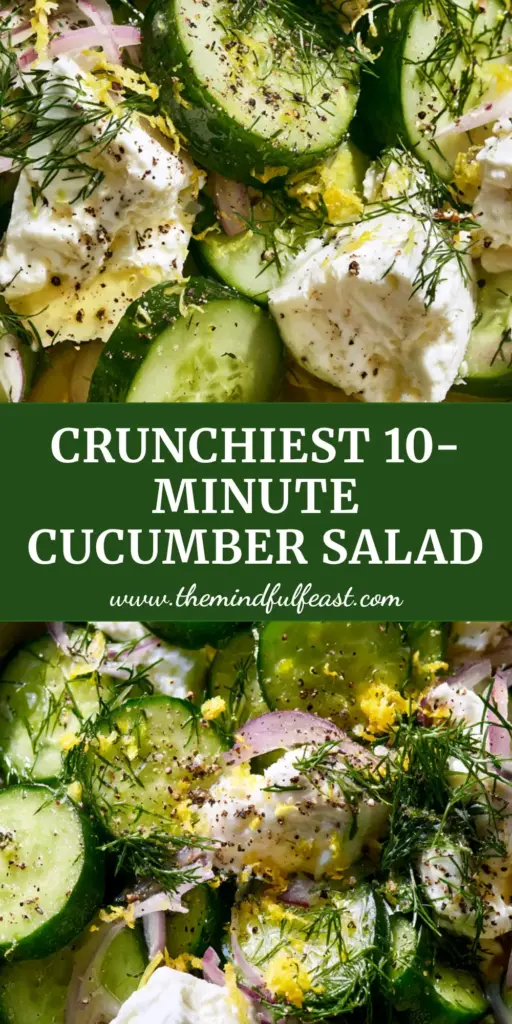
Imagine a shallow ceramic bowl catching the soft, side-lit glow of the golden hour. The cucumbers glisten with tiny water droplets, the feta sits in rustic, creamy chunks, and the lemon zest sparkles like edible gold. This dish is built for those who appreciate the forensic details of food—the way a paper-thin sliver of red onion provides a sharp contrast to a glistening lemon vinaigrette glaze. It’s a vibrant, refreshing centerpiece that tastes even better than it looks.
Whether you are serving this alongside a lemon garlic shrimp orzo or looking for a light standalone lunch, this salad delivers. It’s a testament to the fact that when you use the best ingredients, you don’t need to hide them behind heavy dressings. We are focusing on texture, temperature, and the perfect “glaze” consistency to ensure every bite is seasoned to perfection.
Why This Crisp Mediterranean Medley Works
- Structural Integrity: By using thick-cut Persian cucumber half-moons, we ensure the salad maintains its crunch for hours without becoming soggy.
- Creamy-Salty Balance: Large, rustic chunks of crumbled feta provide a rich mouthfeel that cuts through the sharp acidity of the lemon.
- Aromatic Depth: The dual-herb approach using both chopped dill and freshly torn mint leaves creates a complex, cooling finish.
- The Perfect Glaze: Unlike watery dressings that pool at the bottom, our vinaigrette is emulsified to coat every vegetable in a glistening, flavorful film.
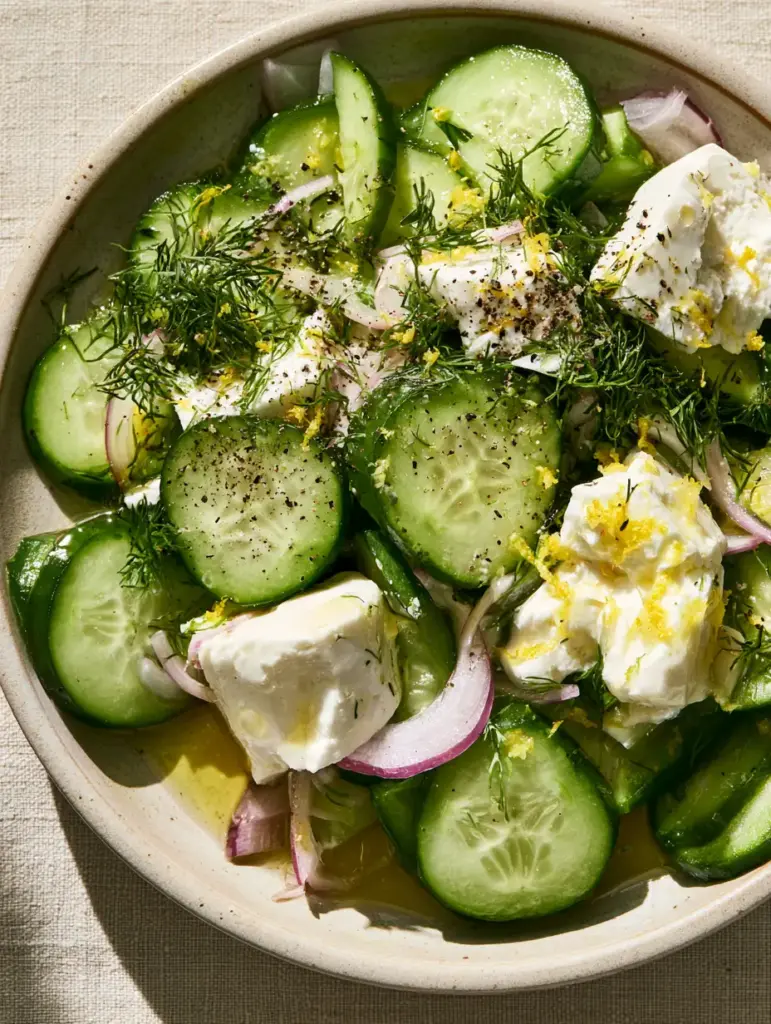
Essential Components for the Ultimate Cucumber Feta Salad
To achieve the visual and textural standard of an artisanal kitchen, each ingredient must be selected and prepared with intention. We aren’t just tossing things in a bowl; we are building layers of flavor.
The Vegetable Foundation
Persian Cucumbers: I specifically recommend 1 lb (450g) of Persian cucumbers for this recipe. Their thin skins and lack of large seeds mean you get a concentrated crunch and no bitterness, unlike standard garden cucumbers.
Red Onion: You will need about 1/2 of a medium (75g) red onion, sliced into paper-thin slivers. The thinness is vital; it allows the onion to mellow in the lemon juice, providing flavor without overwhelming the palate.
The Artisanal Accents
Greek Feta Cheese: Use 7 oz (200g) of high-quality feta sold in brine. For the best visual result, avoid the pre-crumbled variety, which can look chalky; instead, break a block into large, rustic chunks by hand.
Fresh Herb Duo: A combination of 1/4 cup (10g) fresh dill and 2 tbsp (5g) fresh mint leaves is non-negotiable. The dill provides an earthy, citrusy backbone, while the mint adds a surprising, refreshing top note.
The Glistening Glaze Ingredients
Extra Virgin Olive Oil: 3 tbsp (45ml) of robust, cold-pressed olive oil forms the base of our vinaigrette. It provides the necessary fat to carry the flavors of the herbs across your tongue.
Fresh Lemon Juice & Zest: You’ll use the zest of 1 large lemon and 2 tbsp (30ml) of its juice. The zest provides the “bright yellow” visual pop and essential oils, while the juice provides the acidic snap.
Foundational Seasonings: 1/2 tsp (3g) sea salt and 1/2 tsp (2g) freshly cracked black pepper. The pepper must be coarsely cracked to match the rustic aesthetic of the feta chunks.
The Culinary Tools You’ll Need
To replicate the high-angle, artisanal look of our visual blueprint, you won’t need much, but quality tools make a difference. A sharp chef’s knife is essential for those paper-thin onion slivers. A microplane is the only way to achieve the fine, bright yellow lemon zest described in our prompt. Finally, a shallow ceramic bowl is preferred over a deep mixing bowl; it allows the ingredients to spread out, preventing the feta from getting crushed and the dressing from pooling.
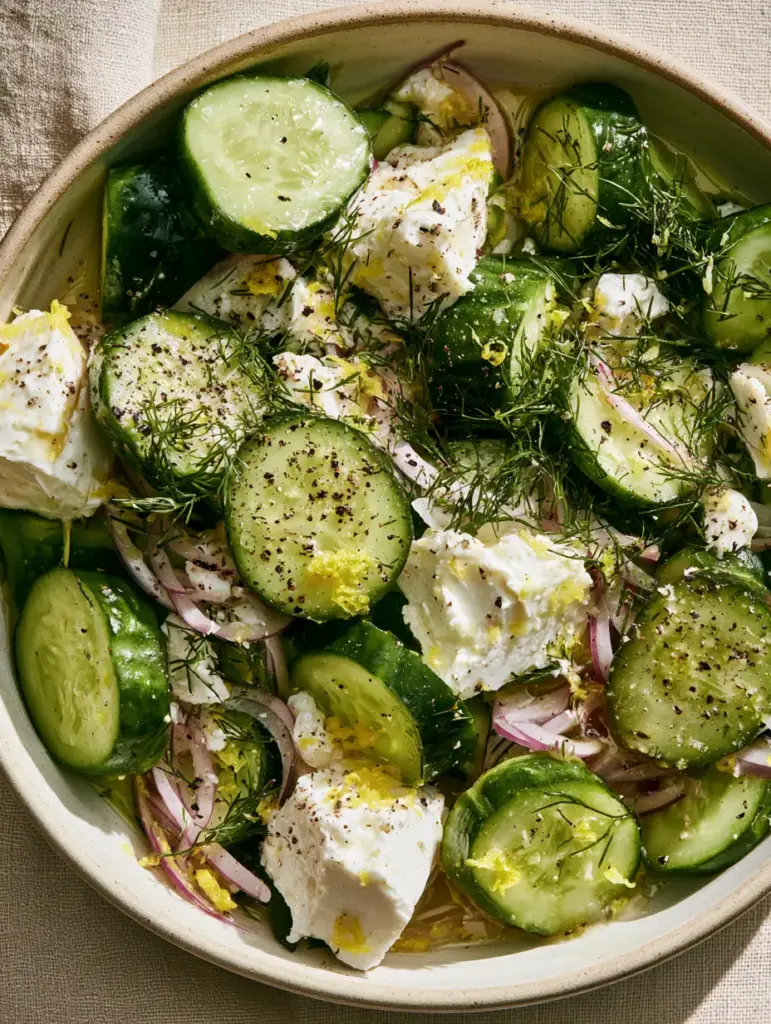
Mastering the Preparation: Step-by-Step Instructions
Phase 1: Precision Vegetable Prep
Start by washing your Persian cucumbers and drying them thoroughly. This is a crucial “forensic” step—any residual wash water will dilute your vinaigrette. Slice the cucumbers into thick half-moons, roughly 1/2 inch (1.25cm) thick. You want them to look substantial and vibrant in the bowl.
Next, tackle the red onion. Slice it as thinly as humanly possible. If you find raw onions too pungent, soak the slivers in a small bowl of ice water for 5 minutes, then pat them dry. This maintains the crunch while removing the “burn.” This technique is often used in a professional vibrant vegetable salad recipe to keep the flavors balanced.
Phase 2: The Emulsified Lemon Glaze
In a small glass jar or whisking bowl, combine the olive oil, lemon juice, and sea salt. Whisk vigorously until the mixture thickens slightly and becomes opaque. This emulsification is what creates a “glaze” that clings to the cucumbers rather than a thin liquid that pools at the bottom of the ceramic bowl.
Phase 3: Assembly and The “Hand-Crumbled” Technique
Place the cucumbers and red onions in your shallow ceramic bowl. Drizzle two-thirds of the vinaigrette over them and toss gently. Now, take your block of feta and break it into large, irregular chunks directly over the bowl. By doing this last, you ensure the feta stays white and creamy rather than getting stained by the onion or pulverized by the tossing process.
Phase 4: The Final Flourish (Visual Cues)
Finish the dish by scattering the chopped dill and torn mint leaves across the top. Add the bright yellow lemon zest and a heavy-handed dusting of cracked black pepper. Drizzle the remaining vinaigrette specifically over the feta chunks to make them glisten. Look for the “water droplets” effect on the cucumber skins—this is a sign of ultimate freshness.
Chef’s Tips for a Picture-Perfect Salad
- Temperature Control: Serve this salad slightly chilled, but not ice-cold. Room temperature allows the flavors of the olive oil and feta to be more pronounced.
- Zest First: Always zest your lemon before juicing it. It is nearly impossible to zest a squeezed, limp lemon half!
- Salt Timing: If you aren’t serving the salad immediately, wait to add the salt and vinaigrette. Salt draws moisture out of cucumbers, which can lead to pooling if left for too long.
- Herb Freshness: Tear the mint leaves by hand rather than chopping them with a knife to prevent the edges from turning brown (oxidizing).
Shelf Life and Storage Wisdom
This Cucumber feta salad is best enjoyed within 2 hours of assembly to maintain the crisp texture of the Persian cucumbers. However, if you have leftovers, they can be stored in an airtight container in the refrigerator for up to 24 hours. Note that the cucumbers will release some liquid over time, and the feta will soften. While it won’t have the same “glistening glaze” look the next day, it still makes a delicious addition to a creative snackle box for a healthy lunch on the go.
What to Serve with Your Mediterranean Salad
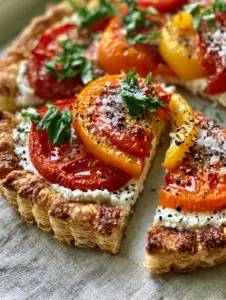
This salad is incredibly versatile. For a light summer dinner, pair it with a tomato and burrata salad to create a spread of fresh textures. If you want something heartier, the bright acidity of the lemon vinaigrette acts as a perfect palate cleanser for rich dishes like creamy rigatoni with Italian sausage.
It also functions beautifully as a topping for grilled chicken or tucked into a pita with some hummus. If you are hosting a brunch, consider serving it alongside other no-cook options like our refreshing no-cook breakfast ideas.
Frequently Asked Questions
You can prep the vegetables and dressing separately up to 8 hours in advance, but for the best texture, combine them just before serving to prevent the cucumbers from losing their crunch.
No, Persian cucumbers have very thin, tender skins that provide a great crunch and vibrant green color, so peeling is not necessary.
Slice them paper-thin and soak them in ice water for about 5 minutes. This preserves the crispness while washing away the harsh sulfurous compounds.
A block of Greek feta stored in brine is best. It has a creamier texture and a more authentic salty tang than pre-crumbled varieties.
This usually happens if the vinaigrette isn’t fully emulsified or if the cucumbers were still wet when tossed. Whisk the dressing until opaque and dry your vegetables thoroughly.
The Official Cucumber Feta Salad Recipe
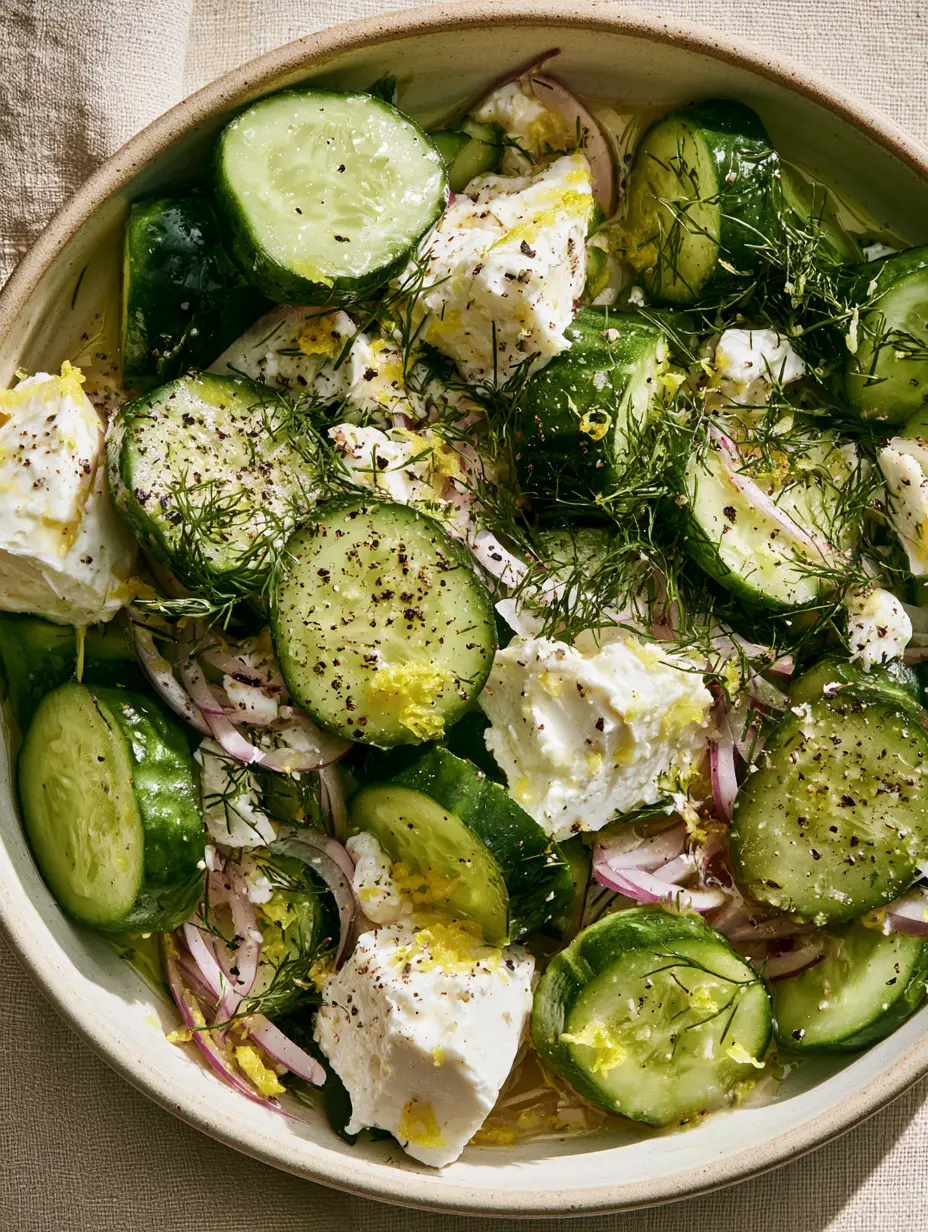
Cucumber Feta Salad with Zesty Lemon Vinaigrette and Fresh Herbs
Ingredients
Equipment
Method
- Wash and dry Persian cucumbers. Slice them into 1/2-inch thick half-moons. Ensure they are dry to help the glaze adhere.
- Thinly slice the red onion into paper-thin slivers. Optionally soak in ice water for 5 minutes to mellow the flavor, then pat dry.
- In a small bowl, whisk together the olive oil, lemon juice, and sea salt until the mixture is slightly thickened and opaque.
- Place cucumbers and onions in a shallow ceramic bowl and toss with two-thirds of the vinaigrette.
- Hand-crumble the feta into large chunks over the top. Add chopped dill, torn mint, lemon zest, and cracked black pepper.
- Drizzle the remaining vinaigrette over the feta chunks and herbs so they glisten under the light.
Notes
Always crumble the feta by hand right before serving to keep the chunks rustic and creamy.
Closing & Call to Action
Creating this Cucumber feta salad is about more than just mixing ingredients; it’s about celebrating fresh, vibrant produce and simple culinary techniques. The combination of thick-cut cucumbers, rustic feta, and that glistening lemon glaze creates a dish that is as visually stunning as it is delicious. If you enjoyed this recipe, please leave a comment below and tell us how yours turned out! Don’t forget to follow us and share your creations on Pinterest so we can see your artisanal salad bowls!