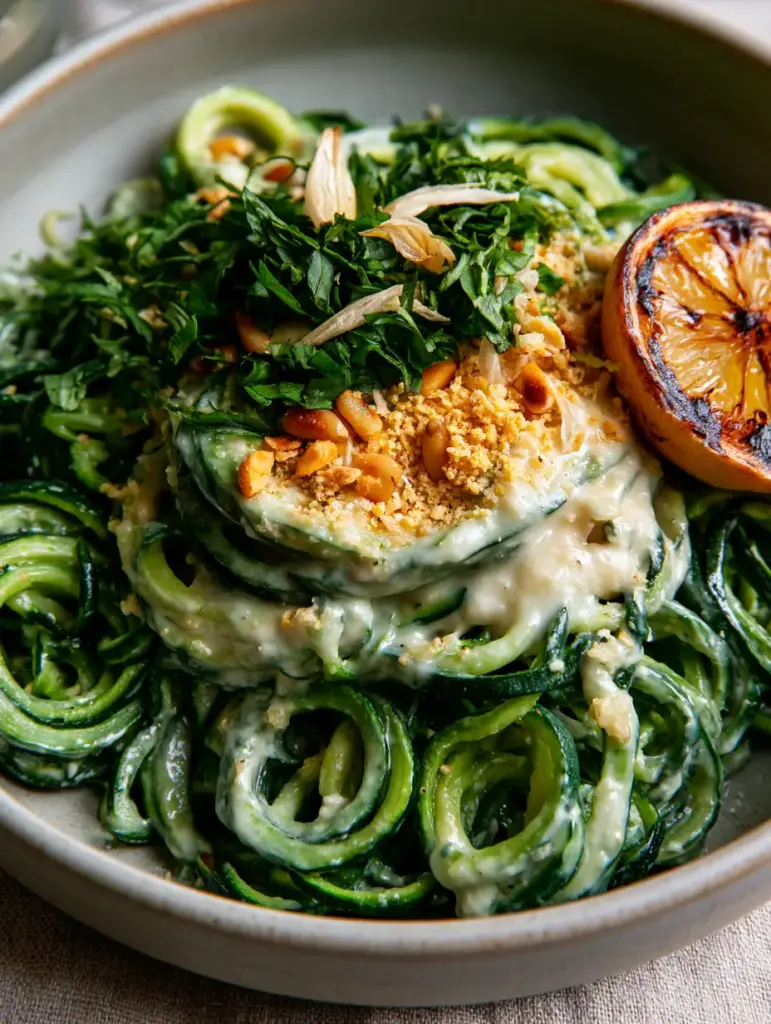
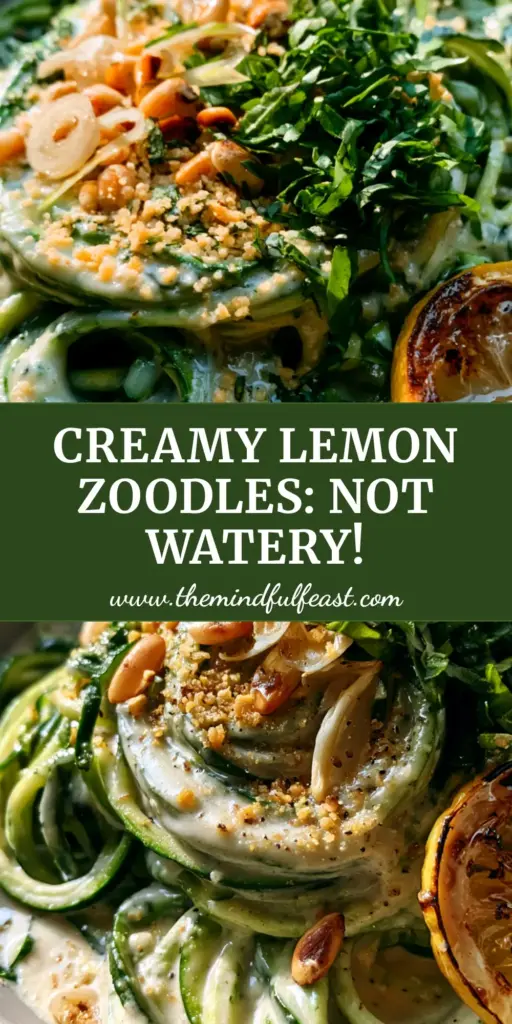
There is a specific kind of culinary magic that happens when vibrant emerald greens meet a velvet-textured ivory sauce. This vegan lemon garlic zucchini pasta isn’t just a healthy alternative to traditional grain-based noodles; it is a masterpiece of texture and brightness that defies the expectations of plant-based cooking. Every forkful delivers a high-contrast experience of crunchy toasted pine nuts, pungent garlic slivers, and the refreshing zing of charred lemon.
When you look at this dish, you aren’t seeing a watery bowl of vegetables. You are seeing a meticulously crafted meal where the “zoodles” act as the perfect vehicle for a thick, glossy cream sauce that clings to every spiralized ribbon. Inspired by the soft morning light of a garden breakfast, this recipe brings high-end food styling and professional culinary techniques into your home kitchen.
Whether you are looking for a light summer dinner or a sophisticated low-carb lunch, this vegan lemon garlic zucchini pasta delivers on every sensory promise. The aroma of toasted garlic and fresh basil will fill your kitchen, signaling that a restaurant-quality meal is only minutes away. Let’s dive into how to achieve that perfect, non-watery texture and a sauce so creamy you won’t believe it’s dairy-free.
Why This Vibrant Zucchini Pasta Is a Weeknight Game Changer
- Zero Watery Residue: Through a specific salting and “sweating” technique, we ensure your zucchini ribbons remain firm and the sauce stays thick and glossy.
- Velvety Ivory Sauce: We use a high-speed blending method with raw cashews to create a dairy-free cream that rivals any heavy cream reduction.
- Complex Flavor Profile: The combination of toasted garlic slivers, charred lemon juice, and red pepper flakes creates a multi-layered heat and acidity.
- Visual Sophistication: With chiffonade basil and golden pine nuts, this dish looks like it belongs in a matte ceramic bowl at a Michelin-star bistro.
The Secret to a Velvet Dairy-Free Cream Sauce
Firm Zucchini Ribbons: Use 4 medium (approx. 800g) zucchini. These provide the structure for our noodles; ensure they are firm to the touch with a vibrant green skin for the best visual appeal.
Raw Cashews: 1 cup (150g) of raw, unsalted cashews. When soaked and blended, these create the “velvet ivory” base of our sauce without the need for processed thickeners.
Fresh Lemon Juice and Zest: 2 large lemons (one for the sauce, one for the charred wheel). The acidity cuts through the richness of the cashews and provides the “bright” notes essential to the vegan lemon garlic zucchini pasta.
Fresh Garlic: 6 cloves, divided. We use 4 for the sauce base and 2 sliced into paper-thin slivers to be toasted until golden, adding both depth and a crispy texture.
Nutritional Yeast: 2 tbsp (10g). This is our “foundational invisible ingredient” that provides a savory, nutty backbone and works in tandem with the vegan parmesan for that classic pasta feel.
Extra Virgin Olive Oil: 3 tbsp (45ml). High-quality oil is necessary for searing the garlic slivers and charring the lemon wheel to achieve those realistic highlights seen in the visual prompt.
Toasted Pine Nuts: 1/4 cup (35g). These provide a buttery crunch and a golden hue that contrasts beautifully against the emerald green noodles.
Fresh Basil: 1/2 cup (15g) fresh leaves. Cutting these into a fine chiffonade ensures the bright green color and herbal aroma are distributed in every bite.
Vegan Parmesan Crumbles: 3 tbsp (25g). This adds the final “dusting of fine grains” that completes the high-end food styling of the dish.
Red Pepper Flakes: 1/2 tsp (1g). A subtle heat that cuts through the creaminess and adds small pops of red color to the visual palette.
Essential Tools for Perfect Spiralizing
To achieve the “perfectly spiraled” look from our visual blueprint, a high-quality countertop spiralizer is recommended over a handheld peeler. You will also need a high-speed blender to ensure the cashew cream is completely smooth and glossy, with no grittiness. A wide, shallow matte ceramic bowl is the ideal serving vessel to showcase the volume of the zucchini ribbons. Finally, a heavy-bottomed cast iron or stainless steel skillet is necessary to achieve the “charred” effect on the lemon wheels and the toasted garlic.
Mastering the Art of Non-Watery Zoodles
Step 1: The Spiralizing and Sweating Process
Begin by spiralizing your zucchini into thick, uniform ribbons. Place the noodles in a large colander and toss with 1 tsp (6g) of sea salt. Let them sit for 15-20 minutes; this “sweating” process is the most critical step to ensure your vegan lemon garlic zucchini pasta doesn’t end up in a pool of water.
Step 2: Crafting the Velvet Cream Base
While the zucchini drains, combine your soaked cashews, 3/4 cup (180ml) of filtered water, lemon juice, nutritional yeast, and 4 cloves of garlic in a blender. Process on high until the mixture is a “velvet-textured ivory” color. It should be thick enough to coat the back of a spoon without running off immediately.
Step 3: The Toasted Aromatics
In your skillet over medium-low heat, add 1 tbsp (15ml) of olive oil and your thin slivers of garlic. Watch closely for the visual cue: as soon as they turn a pale golden brown and smell fragrant, remove them with a slotted spoon. In the same pan, toast your pine nuts for 2 minutes until they are evenly golden.
Step 4: The Charred Lemon Finishing Touch
Wipe the skillet and increase the heat to medium-high. Place a thick lemon wheel directly onto the hot surface. Let it sear undisturbed for 2-3 minutes until you see a dark, caramelized crust. This charred lemon slice will provide the “visible juice droplets” that define the final presentation.
Step 5: The Final Assembly
Rinse the salt off your zucchini noodles and pat them completely dry with a clean kitchen towel. Squeeze them gently! In a clean pan, warm the cashew sauce over low heat, then toss in the zucchini ribbons for only 1-2 minutes. You want them warm but still “vibrant emerald green” and firm, not mushy.
Pro Tips for Restaurant-Quality Vegan Pasta
- The Squeeze Test: After sweating the zucchini, use a lint-free towel to squeeze out the moisture. You will be surprised how much water comes out; removing this is the secret to a thick sauce.
- Don’t Overcook: Zucchini noodles continue to soften as they sit in the warm sauce. Turn off the heat the moment they are coated to maintain that “firm ribbon” texture.
- Soaking Cashews: If you don’t have a high-speed blender, soak your cashews in boiling water for 30 minutes. This ensures the sauce achieves that glossy, unedited smartphone photo look.
- Garnish Elevation: Always add your chiffonade basil at the very last second. Heat will turn the basil black, and we want that “bright green” contrast against the ivory sauce.
Storing and Refreshing Your Zucchini Noodles
This vegan lemon garlic zucchini pasta is best enjoyed immediately to appreciate the “glossy, velvet-textured” sauce. However, if you have leftovers, store the noodles and sauce separately if possible. In a sealed container, the zucchini will last up to 2 days in the refrigerator. To reheat, flash-pan fry the noodles for 60 seconds and stir in the sauce at the very end. Avoid freezing this dish, as the cellular structure of the zucchini will collapse, resulting in a mushy texture.
Perfect Pairings for a Vibrant Table
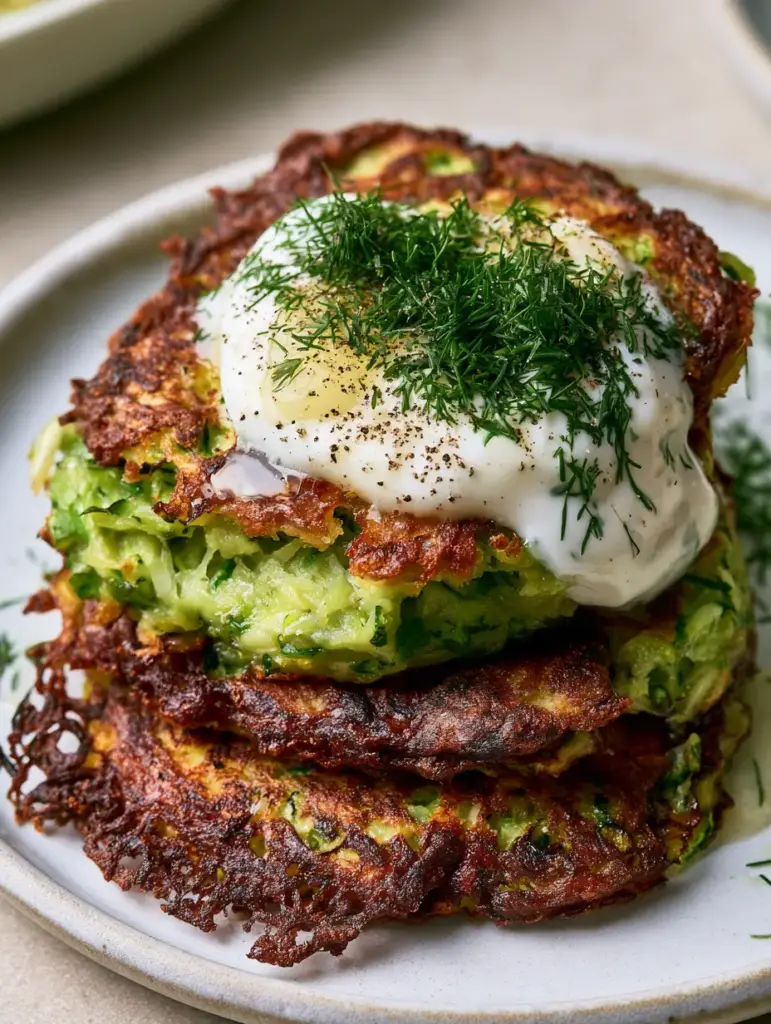
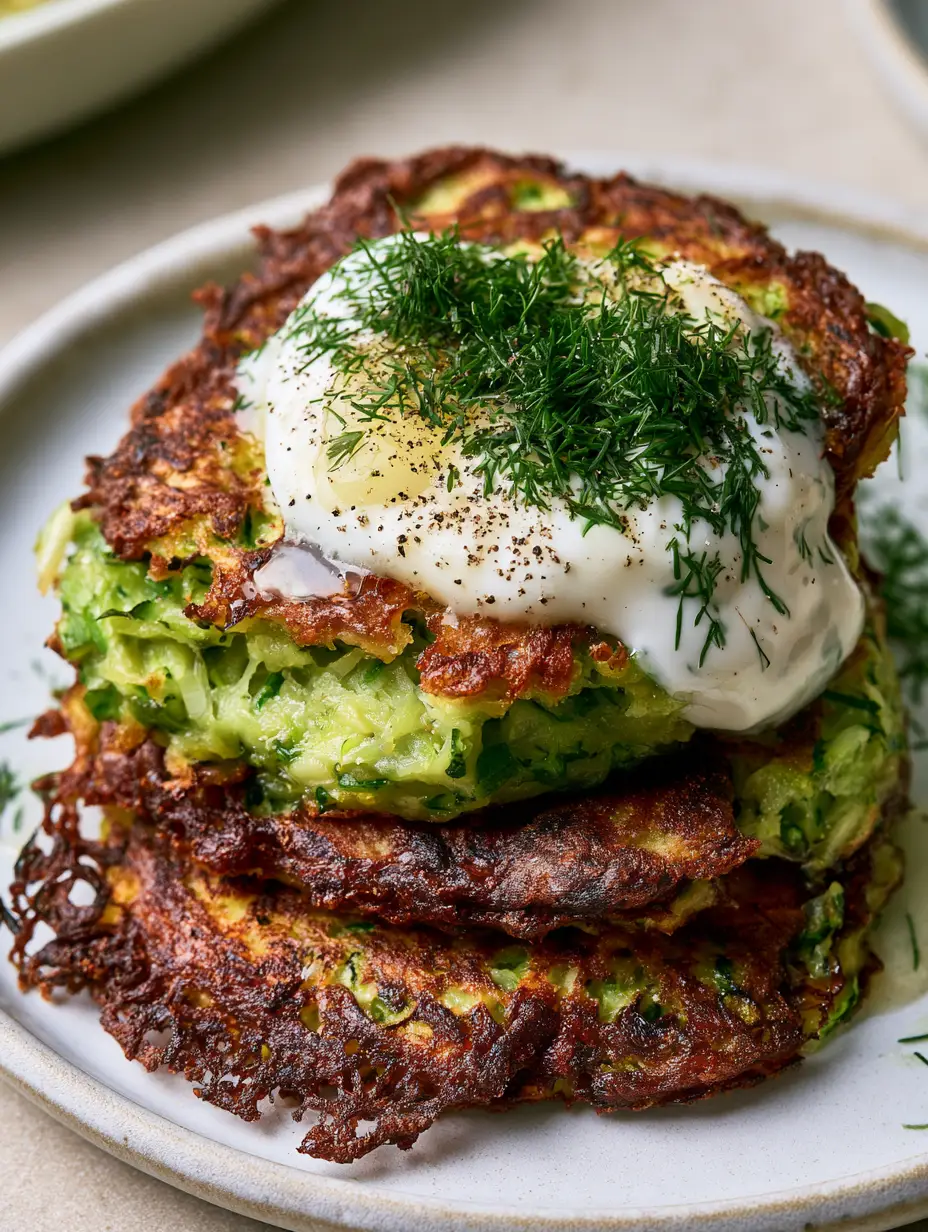
To round out this meal, consider serving it alongside a crisp, acidic side dish. A cucumber feta salad (using vegan feta) provides a wonderful temperature contrast. If you are serving a crowd and want to offer a variety of textures, these zucchini fritters use up any leftover squash ends from your spiralizing session.
For those looking for a more robust vegetable-forward spread, a vegetable salad recipe with a light vinaigrette complements the richness of the cashew cream. If you have extra garden produce, this parmesan tomato zucchini bake is another excellent way to utilize the season’s bounty.
Common Culinary Questions
To keep it vegan, crispy chickpeas or sautéed tofu work beautifully. If you aren’t strictly vegan, it pairs well with grilled shrimp or chicken.
Yes, you can substitute the cashews with a high-fat coconut cream or a sunflower seed base, though the flavor profile will shift slightly. Cashews provide the most neutral, velvet texture.
Place a dry lemon slice in a very hot skillet (stainless steel or cast iron is best) and press down slightly. Don’t move it for 2 minutes until the sugars caramelize into a dark crust.
The secret is to ‘sweat’ the spiralized noodles with salt for 20 minutes in a colander, then rinse and squeeze them firmly in a clean kitchen towel before tossing with the sauce.
Absolutely! Just ensure they are fresh and firm. You should still follow the salting and squeezing process, as pre-cut noodles often release even more moisture.
The Full Vegan Lemon Garlic Zucchini Pasta Recipe
Vegan Lemon Garlic Zucchini Pasta with Creamy Sauce
Ingredients
Equipment
Method
- Spiralize the zucchini and toss with sea salt in a colander. Let sit for 20 minutes to draw out moisture. Rinse and squeeze dry using a clean towel.
- In a high-speed blender, combine soaked cashews, water, 3 tbsp lemon juice, nutritional yeast, and 4 garlic cloves. Blend until velvet-smooth and ivory in color.
- Heat 1 tbsp olive oil in a skillet. Fry garlic slivers until golden. Remove. Toast pine nuts in the same pan until fragrant and golden brown.
- Wipe the skillet and sear a lemon wheel on medium-high heat until deeply caramelized and charred on one side.
- Warm the sauce in a pan over low heat. Add zucchini ribbons and toss for 1-2 minutes until coated and glossy. Do not overcook.
Notes
Add the basil at the very end to maintain its bright green color.
Bring the Garden to Your Table
This vegan lemon garlic zucchini pasta is a testament to the fact that plant-based eating can be indulgent, visually stunning, and deeply satisfying. By focusing on the “culinary forensics” of the dish—the char of the lemon, the toast of the garlic, and the velvet of the cream—you create a dining experience that engages all the senses. We would love to see your recreation of this emerald masterpiece! Please leave a comment below with your results and share your photos with us on Pinterest to join our community of home cooks.