There is something undeniably nostalgic about a steaming skillet of pasta, especially when it involves the iconic creamy beef and shells recipe. This isn’t just a quick weeknight meal; it is a sensory experience designed to satisfy the deepest cravings for savory, cheesy, and hearty comfort food.
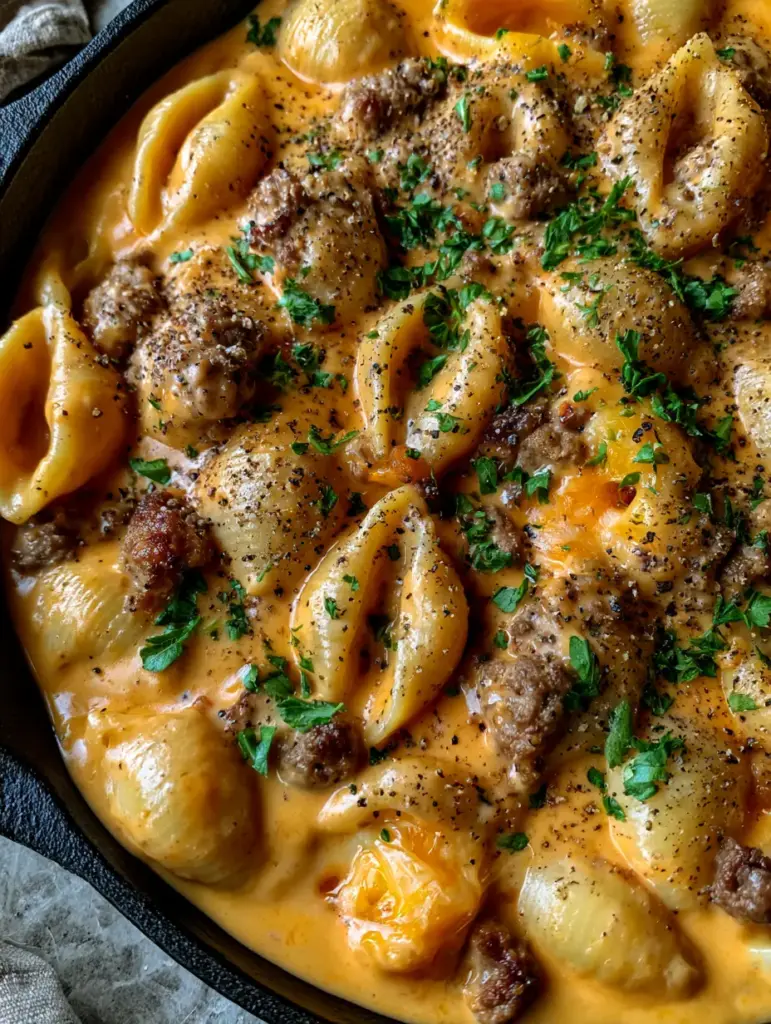
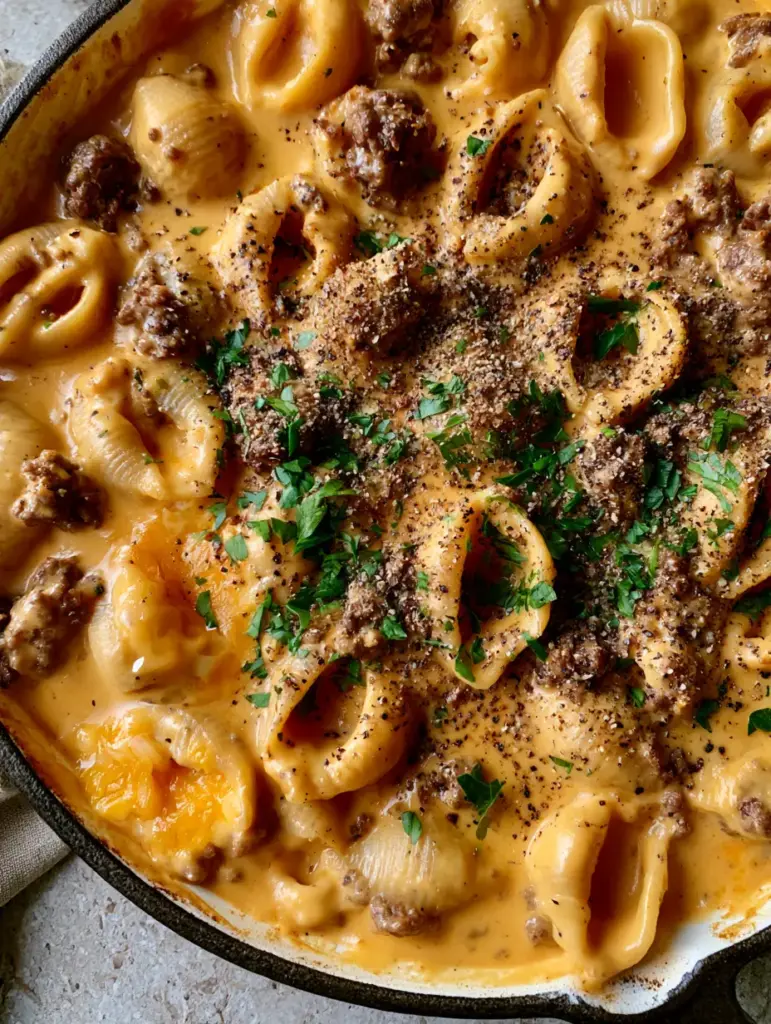
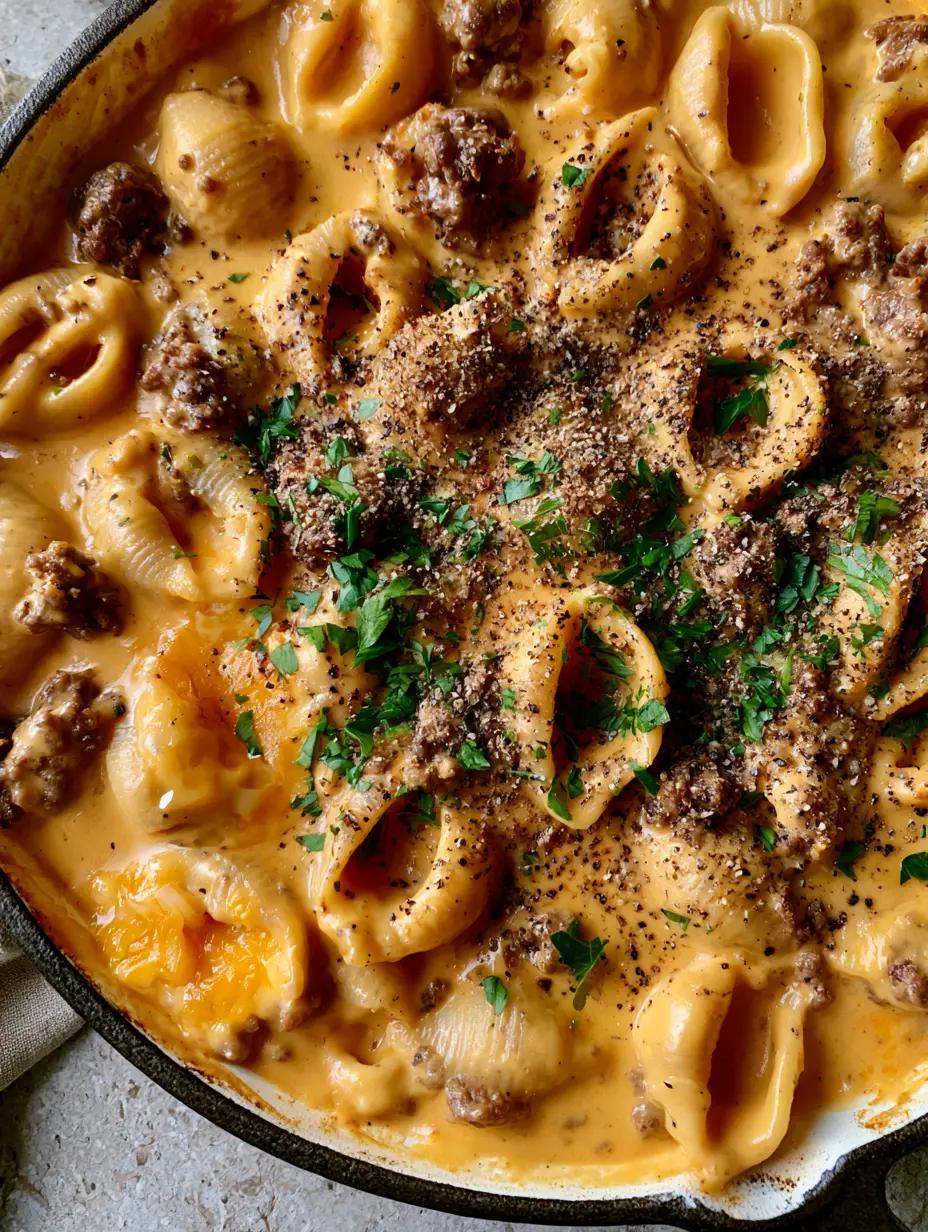
Imagine medium pasta shells, boiled to a perfect al dente, glistening under a thick, velvety coating of deep-orange cheddar sauce. Each shell acts as a tiny vessel, capturing pools of liquid gold and crumbles of well-seared, savory ground beef that have been browned to perfection in a heavy cast iron skillet.
To finish, a heavy dusting of freshly cracked coarse black pepper and a vibrant sprinkle of finely chopped flat-leaf parsley add the final layer of sophistication. This dish is built on professional culinary foundations, ensuring every bite is as structurally sound as it is visually stunning.
The Visual Allure of This Gourmet Beef and Pasta Skillet
- The Sauce Vessel: Medium pasta shells are strategically chosen because their concave shape holds the maximum amount of velvety cheddar cream sauce.
- Maillard Perfection: The ground beef isn’t just cooked; it is seared until a deep, dark brown crust forms, providing a rich umami backbone to the dish.
- Textural Contrast: Bubbly pockets of melted cheddar on the surface provide a gooey pull that contrasts with the coarse, spicy bite of cracked peppercorns.
- Vibrant Finish: The bright green of the freshly chopped parsley cuts through the rich orange hues, offering a fresh herbaceous note to balance the decadence.
Essential Ingredients for the Ultimate Creamy Beef and Shells Recipe
To achieve the hyper-realistic textures seen in our professional kitchen, you need ingredients that perform specific scientific roles. We aren’t just making dinner; we are engineering a masterpiece of flavor and viscosity.
Medium Pasta Shells (Conchiglie): You will need 12 oz (340g) of dried shells. These are the architecture of the dish, designed to “cup” the sauce and beef crumbles in every single mouthful.
Lean Ground Beef: 1 lb (454g) of 85/15 or 90/10 beef is ideal. This fat ratio allows for a high-heat sear in the cast iron skillet without leaving the final dish feeling overly greasy or heavy.
Sharp Orange Cheddar Cheese: 3 cups (330g) of freshly grated sharp cheddar. Pre-shredded cheese is coated in cellulose, which prevents that “velvety pooling” effect we are looking for in the creamy beef and shells recipe.
Whole Milk and Heavy Cream: Use 1.5 cups (360ml) of milk and 0.5 cup (120ml) of heavy cream. This combination creates the high-fat emulsion required for a sauce that remains stable and glossy even as it cools.
Unsalted Butter and All-Purpose Flour: 3 tbsp (42g) of butter and 3 tbsp (24g) of flour. These form the blonde roux, the invisible structural foundation that thickens the cheese sauce to a professional consistency.
Aromatic Base: 1 small yellow onion (150g) and 3 cloves of garlic. These ingredients provide the aromatic depth that bridges the savory beef with the rich dairy elements.
Finishing Garnishes: 1 tsp (2g) of freshly cracked coarse black pepper and 2 tbsp (8g) of finely chopped flat-leaf parsley. These are the visual and flavor “high notes” that complete the visual recipe blueprint.
Must-Have Equipment for Professional Results
To replicate the rustic, high-resolution aesthetic of this dish, the heavy cast iron skillet is non-negotiable. The heat retention of cast iron is what allows for the “bubbly cheddar pockets” and the superior sear on the beef.
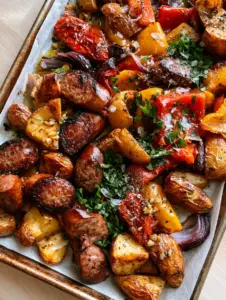
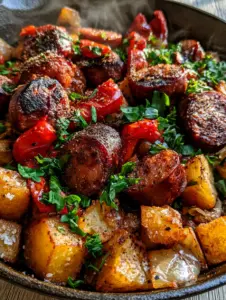
You will also need a large pot for boiling the pasta and a sturdy whisk to ensure your roux and cheese sauce are perfectly smooth without any floury clumps. If you are looking for more skillet-based inspiration, check out our smoked sausage and potatoes skillet for another one-pan wonder.
Step-By-Step Instructions for Culinary Perfection
1. Preparing the Shell Architecture
Bring a large pot of salted water to a rolling boil. Add 12 oz (340g) of medium pasta shells and cook for 1-2 minutes less than the package directions for “al dente.”
The shells will finish cooking in the cheese sauce later, so they must maintain a firm bite now. Drain them and toss with a teaspoon of oil to prevent sticking, but do not rinse, as the starch helps the sauce adhere.
2. Searing the Beef for Maximum Umami
Heat your 12-inch (30cm) cast iron skillet over medium-high heat until it is wisps of smoke begin to rise. Add the ground beef, breaking it into large crumbles with a wooden spoon.
Do not stir immediately; let the beef sit for 3 minutes to develop a deep golden-brown crust. Once seared, add the finely diced onion and cook until translucent, then add the minced garlic for just 30 seconds until fragrant.
3. Engineering the Velvety Cheddar Emulsion
Push the beef mixture to the edges of the skillet and melt 3 tbsp (42g) of butter in the center. Whisk in 3 tbsp (24g) of flour to create a paste, cooking for 1 minute to remove the raw flour taste.
Slowly pour in the milk and heavy cream, whisking constantly. Watch for the visual cue: the liquid will transform from a thin splash to a thick, coat-the-back-of-the-spoon consistency.
4. The Meltdown and Assembly
Reduce the heat to low and stir in 2.5 cups (275g) of the grated cheddar. Stir until the sauce is a deep, glistening orange and completely smooth. Fold in the cooked shells and the beef crumbles.
If the sauce seems too thick, add a splash of reserved pasta water. You want the sauce to “pool” inside the shells, just like in the visual blueprint.
5. Creating the Bubbly Cheddar Pockets
Sprinkle the remaining 0.5 cup (55g) of cheddar over the top. Cover the skillet with a lid for 2 minutes, or place under a broiler for 60 seconds, until you see those signature bubbly cheddar pockets on the surface.
Finish with a heavy-handed dusting of coarse black pepper and the vibrant chopped parsley. Serve immediately directly from the rustic skillet for that “handheld smartphone photo” charm.
Expert Tips for a Success
- The Grate Debate: Always grate your own cheese. Pre-shredded cheese contains potato starch which will make your sauce grainy rather than velvety.
- Beef Searing: If your skillet is crowded, the beef will steam instead of sear. Cook in batches if necessary to ensure those savory browned crumbles.
- Pepper Texture: Use a pepper mill on the coarsest setting. The large shards of pepper provide a spicy “pop” that mimics the visual prompt perfectly.
- Pasta Timing: If you overcook the shells in the water, they will fall apart when tossed in the heavy sauce. Error on the side of underdone.
The Best Pairings for Creamy Beef and Shells
This creamy beef and shells recipe is a powerhouse on its own, but it pairs beautifully with light, acidic sides to cut through the richness. A crisp green salad or our tangy refrigerator pickles provide a refreshing crunch.
For those who love a full comfort food spread, consider serving this alongside oven-roasted potatoes or a slice of zucchini cornbread casserole to soak up every last drop of that cheddar sauce.
If you are looking for a lighter pasta alternative for another night, our high-protein creamy beef pasta uses Greek yogurt for a similar texture with a different nutritional profile.
Storage, Reheating, and Freezing
Storage: Keep leftovers in an airtight container in the refrigerator for up to 3 days. The pasta will continue to absorb the sauce as it sits.
Reheating: To restore the velvety texture, add a tablespoon of milk before microwaving or reheating on the stovetop. This thins the sauce back to its original “pooling” state.
Freezing: While you can freeze this dish, dairy-based sauces can sometimes break upon thawing. For best results, freeze for no more than 1 month and thaw in the fridge overnight before reheating slowly.
Frequently Asked Questions
Yes, but the pasta will absorb the sauce as it sits. When reheating, add a splash of milk or cream to loosen the sauce and return it to its original velvety texture.
Yes, you can use ground turkey or chicken, but ground beef provides the richest savory flavor and the best sear for that classic comfort food profile.
Use freshly grated block cheese rather than pre-shredded varieties. Pre-shredded cheese is coated in starch that prevents a smooth, velvety emulsion.
Medium pasta shells (conchiglie) are best because their hollow shape acts like a scoop, holding the beef crumbles and the thick cheese sauce inside every bite.
Cast iron retains high heat, which is essential for searing the beef crumbles and creating the melted, bubbly cheese pockets on the surface before serving.
The Ultimate Skillet Creamy Beef and Shells Recipe
Creamy Beef and Shells Recipe: The Ultimate One-Pan Comfort Food
Ingredients
Equipment
Method
- Boil medium shells in salted water for 1-2 minutes less than the package directions until al dente. Drain and set aside.
- In a cast iron skillet over medium-high heat, brown the ground beef until deep-brown crumbles form. Add onion and garlic and cook until soft.
- Melt butter in the skillet, whisk in flour, then slowly incorporate milk and cream until thick and velvety.
- Stir in most of the cheddar until the sauce is a deep-orange hue and glistening.
- Fold in shells, top with remaining cheese to create bubbly pockets, and garnish with heavy coarse pepper and fresh parsley.
Notes
Don't rinse the pasta; the starch helps the sauce pool perfectly.

Closing Thoughts and Join the Community
This creamy beef and shells recipe is more than just a meal; it’s a masterclass in textures and bold, classic flavors. From the savory sear of the beef to the deep orange hue of the cheddar, every element is designed to bring warmth to your table.
If you enjoyed this recipe, we’d love to hear from you! Leave a comment below, share your photos with us on social media, and be sure to pin this recipe to your favorite boards on Pinterest for your next cozy dinner night.