Bluegill recipes are the cornerstone of a true freshwater angler’s kitchen, offering a delicate flavor that rivals the finest seafood. There is something profoundly satisfying about transforming a fresh catch into a plate of golden-brown, perfectly fried fillets that crunch with every bite.
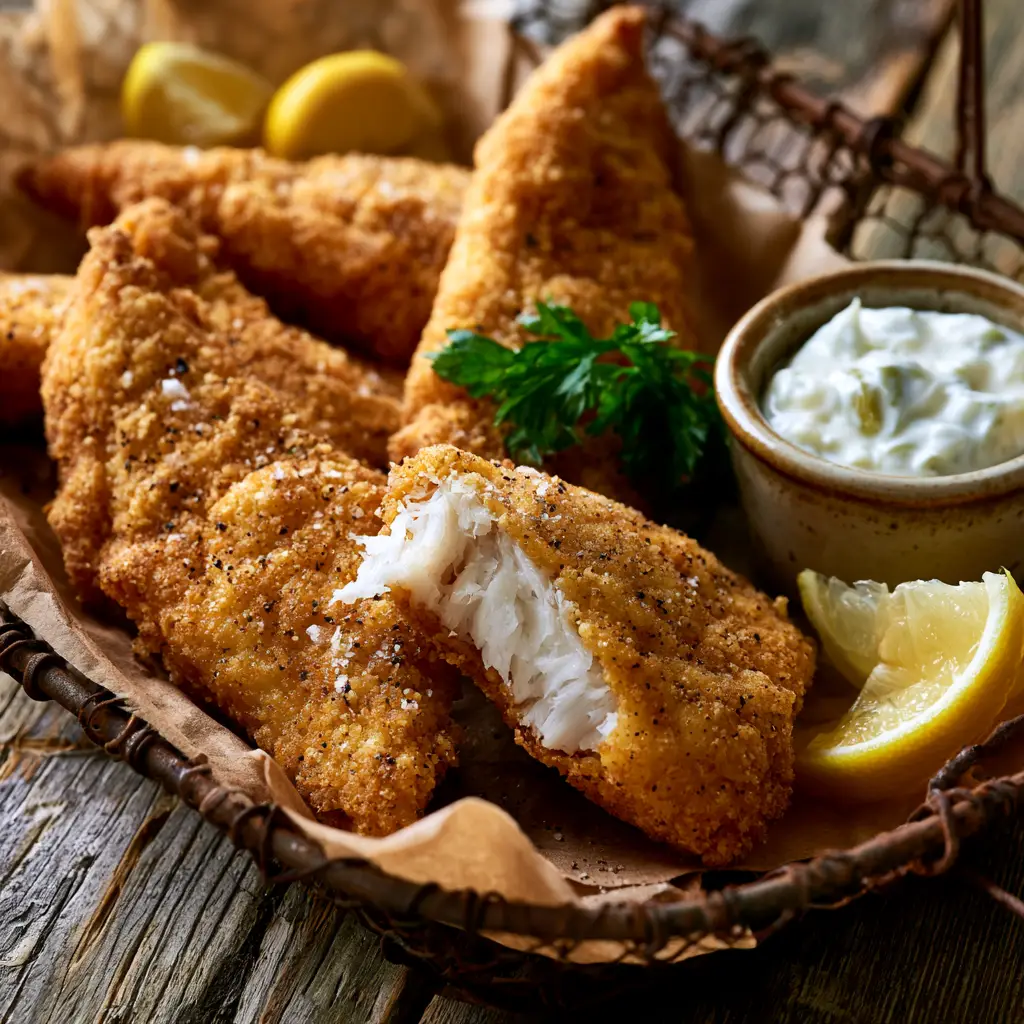
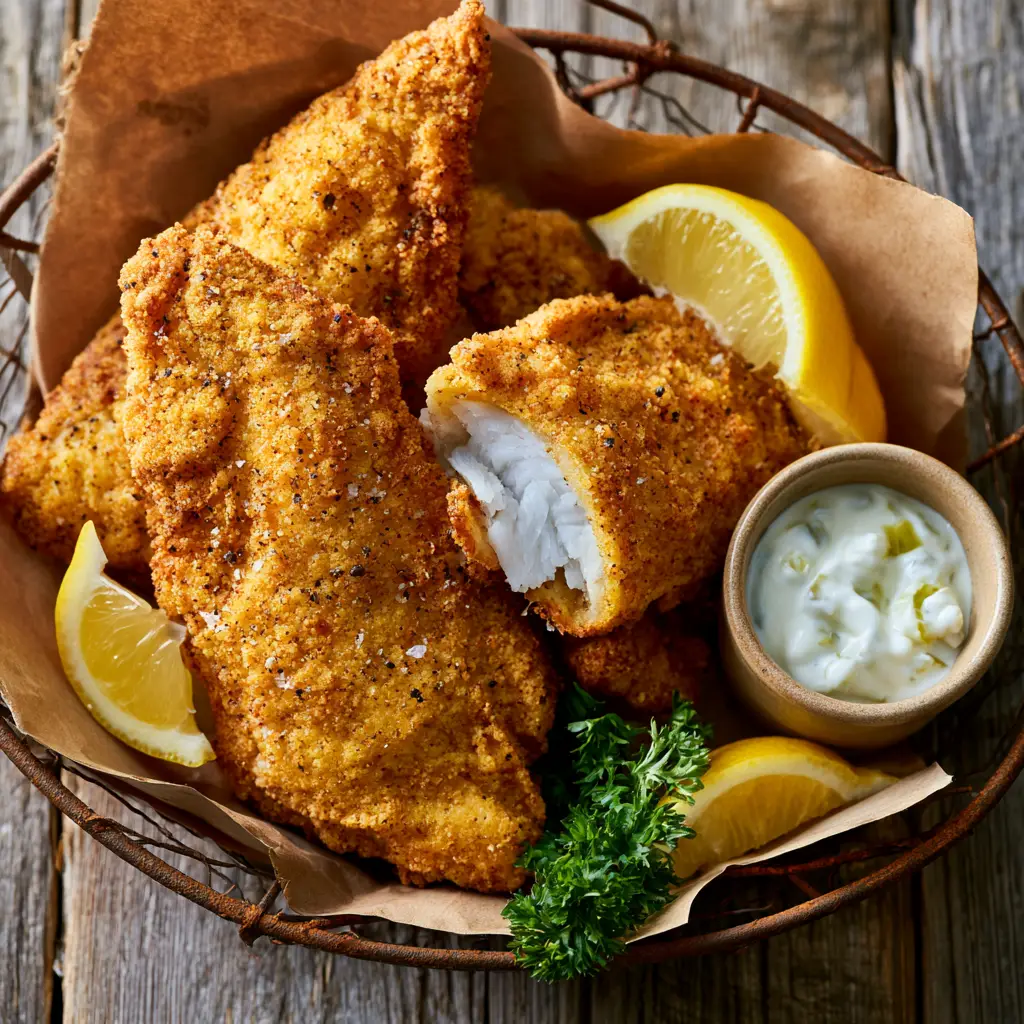
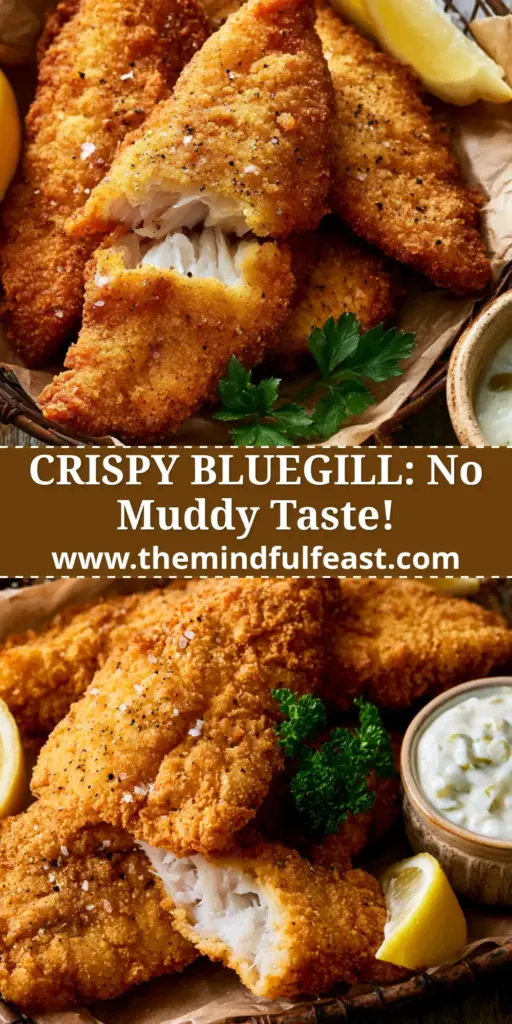
Imagine a rustic wire basket lined with textured brown kraft paper, cradling several steaming fillets that boast an ultra-crispy, craggy cornmeal breading. As you break one open, the flaky white meat releases a puff of steam, revealing the pristine texture hidden beneath a seasoned crust.
This recipe focuses on achieving that specific visual and sensory perfection: the interplay of sea salt flakes catching the light, the bite of cracked black pepper, and the cooling contrast of creamy tartar sauce. Whether you are a seasoned pro or a novice home cook, these bluegill recipes will elevate your next shore lunch or family dinner to a gourmet experience.
Why These Crispy Bluegill Recipes Are a Kitchen Staple
- The Craggy Texture: By using a specific ratio of cornmeal and flour, we achieve a deeply textured, “craggy” crust that stays crispy long after it leaves the oil.
- Flaky White Perfection: The gentle frying method ensures the meat remains moist and steaming, creating a stark contrast to the crunchy exterior.
- Visual Gourmet Appeal: Garnished with bright yellow lemon wedges and fresh parsley, this dish looks as good on a weathered wooden table as it does in a professional food shoot.
- Quick and Accessible: Panfish cook in minutes, making this one of the most efficient ways to feed a crowd without sacrificing quality.
Essential Components for the Perfect Fried Fillet
Every ingredient in our bluegill recipes serves a scientific and aesthetic purpose. From the binder that holds the crust together to the finishing salt that makes the flavors pop, nothing is left to chance.
The Foundational Fish and Breading
Fresh Bluegill Fillets: You will need about 1 lb (450g) of fillets. Ensure they are patted extremely dry to allow the breading to adhere properly without becoming gummy.
Yellow Cornmeal: 1 cup (160g) of stone-ground cornmeal provides the signature “crag” and structural integrity. It offers a rustic sweetness that complements the mild fish.
All-Purpose Flour: 1/2 cup (65g) of flour acts as the “glue” between the cornmeal granules. It fills the gaps to create a cohesive, golden-brown shell.
Buttermilk: 1/2 cup (120ml) of cold buttermilk serves as the acidic binder. The thickness of buttermilk ensures a heavy coating of breading sticks to the fish for that macro-shot texture.
Seasonings and Finishing Touches
Cracked Black Pepper: 1 tsp (2g) of coarsely cracked pepper provides those visible dark flecks seen in the visual blueprint. It adds a gentle heat that cuts through the richness of the fry.
Sea Salt Flakes: 1 tsp (5g) for finishing. These large crystals catch the natural light and provide a sudden burst of salinity that enhances the sweetness of the white meat.
Peanut Oil or Vegetable Oil: 2 cups (480ml) for frying. You need an oil with a high smoke point to achieve that deep golden-brown color without burning the cornmeal.
Fresh Parsley and Lemon: One sprig of parsley and several bright yellow wedges provide the necessary acidity and herbal freshness to balance the fried elements.
Tools Required for Culinary Success
To replicate the visual prompt, you need a few specific tools. A heavy-bottomed cast iron skillet or a stainless steel frying pan is essential for maintaining a steady oil temperature.
You will also need a rustic wire basket and brown kraft paper for the authentic “shore lunch” presentation. A wire cooling rack is also helpful to keep the fillets from getting soggy as you fry in batches.
Step-by-Step Guide to Achieving the Perfect Fry
Preparing the Fish and Dredge
Start by rinsing your fillets in cold water and immediately patting them dry with paper towels. Any moisture on the surface of the fish will create steam during frying, which can cause the breading to fall off.
In a shallow bowl, whisk together your cornmeal, flour, 1/2 tsp (1g) of the black pepper, and 1/2 tsp (3g) of sea salt. In a separate bowl, pour in your buttermilk. This two-stage dredging station is the secret to a professional-grade crust.
The Double-Drip Breading Method
Dip each fillet into the buttermilk, letting the excess drip off. Immediately press the fillet into the cornmeal mixture, ensuring you press firmly so the grains embed themselves into the meat. The result should look visibly craggy and rough, not smooth.
Place the breaded fillets on a plate and let them rest for 5 minutes. This “tacking” period allows the flour to hydrate, ensuring the crust doesn’t flake off the moment it hits the hot oil.
Mastering the Golden-Brown Fry
Heat your oil in a large skillet to exactly 350°F (175°C). Use a kitchen thermometer to verify this; if the oil is too cold, the fish will be greasy; if too hot, the cornmeal will burn before the meat is cooked.
Carefully lower the fillets into the oil. Fry for 2-3 minutes per side. You are looking for a specific visual cue: a deep, even golden-brown color and edges that look exceptionally crisp. The meat inside should be opaque and easily flaked with a fork.
The Art of the Presentation
Remove the fillets and place them on a brown kraft paper liner inside a rustic wire basket. The paper absorbs excess oil while maintaining the high-quality, handheld smartphone photo aesthetic.
Immediately sprinkle with the remaining sea salt flakes and cracked black pepper. Garnish with a fresh sprig of green parsley and lemon wedges placed at a 45-degree angle for maximum visual impact.
Expert Tips for the Best Bluegill Recipes
- Cold Buttermilk is Key: Using cold buttermilk helps the breading stay firm when it hits the heat, preventing the “crag” from melting away.
- Don’t Overcrowd the Pan: Frying too many fillets at once drops the oil temperature significantly. Fry in batches to maintain that ultra-crispy texture.
- Season Immediately: Salt sticks best to fried foods the second they come out of the oil. Don’t wait, or the salt will just bounce off the crust.
- The Relish Factor: For the tartar sauce, use a high-quality pickle relish with visible green bits to match the creamy white ceramic ramekin look from our prompt.
What to Serve With Your Crispy Panfish
While these bluegill recipes are the star of the show, a well-rounded meal needs complementary sides. For a light summer lunch, pair this with peach hibiscus sunset tea for a refreshing fruity contrast.
If you’re looking for something more substantial, these fillets work beautifully alongside a hearty cowboy mushroom beef skillet for a “surf and turf” family feast. For those busy weeknights, keep it simple by adding these to your rotation of last-minute dinners.
For a unique twist, you could even serve these crispy fillets as a protein topper for a sweet potato burger bowl, replacing the beef for a lighter, crunchier alternative.
Storage, Reheating, and Freezing Advice
Fried bluegill is best enjoyed immediately. However, if you have leftovers, store them in an airtight container in the refrigerator for up to 2 days. To maintain the crispy texture, avoid the microwave.
Reheat the fillets in an oven or air fryer at 375°F (190°C) for 4-5 minutes. This will revive the cornmeal crust and ensure the white meat stays flaky. We do not recommend freezing fried fish as the breading will become mushy upon thawing.
Frequently Asked Questions
Yes, though the texture will be slightly less ‘craggy.’ Spritz the breaded fillets generously with oil spray and cook at 400°F (200°C) for 8-10 minutes, turning halfway through.
Two secrets: ensure the fillets are bone-dry before dredging, and let the breaded fish rest for 5-10 minutes before frying. This allows the binder to create a ‘tacky’ bond with the meat.
Look for a deep golden-brown color and wait for the fish to float to the surface of the oil. The internal meat should reach 145°F (63°C) and flake easily with a fork.
You can, but for the flakiest results and best texture, most prefer skinless fillets. If leaving the skin on, ensure it is scaled thoroughly and scored to prevent curling during frying.
Peanut oil is the gold standard due to its high smoke point and neutral flavor. Vegetable oil or canola oil are also excellent, affordable alternatives that allow the fish flavor to shine.
The Ultimate Crispy Fried Bluegill Recipe
Bluegill Recipes: The Ultimate Crispy Cornmeal Fried Panfish
Ingredients
Equipment
Method
- Rinse bluegill fillets and pat them thoroughly dry with paper towels to ensure breading sticks.
- Whisk cornmeal, flour, half the pepper, and half the salt in one bowl. Place buttermilk in another bowl.
- Dip fillets in buttermilk, then press firmly into the cornmeal mixture to create a craggy texture. Let rest for 5 minutes.
- Heat oil to 350°F (175°C) and fry fillets for 2-3 minutes per side until deep golden-brown and crispy.
- Place on kraft paper, sprinkle with sea salt flakes, and serve with lemon wedges and tartar sauce.
Notes
Let the breaded fish rest for 5 minutes before frying to prevent the coating from falling off.
Conclusion: Bring the Shore Lunch Home
Perfecting bluegill recipes is about more than just cooking; it is about capturing a specific moment of culinary bliss. The combination of the steaming flaky meat and the crunch of the seasoned cornmeal is a sensory experience that every home cook should master.
We invite you to share your results with us! Did your crust achieve that perfect craggy look? Let us know in the comments below. For more visual inspiration and recipe ideas, follow us on Pinterest and share your kitchen creations with our community.