There is a specific kind of culinary magic that happens when high-heat searing meets a velvety, cream-based sauce. This Cajun Chicken Pasta isn’t just a meal; it is a sensory experience designed to replicate the bold, rustic flavors of a Louisiana kitchen right in your own home.
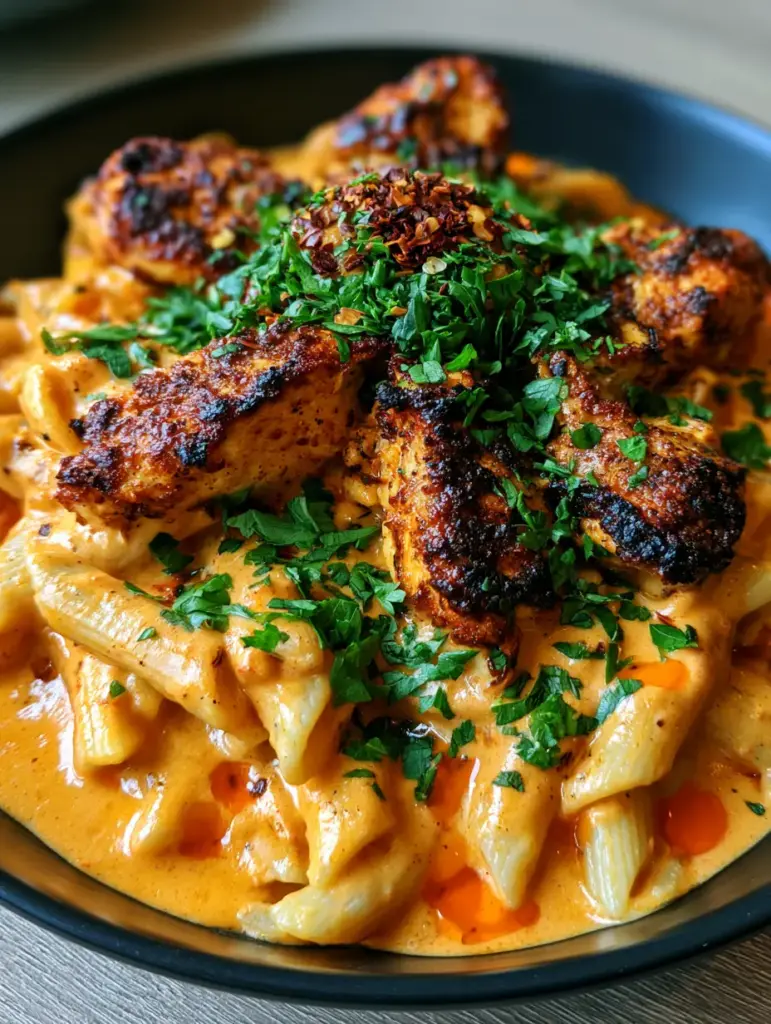
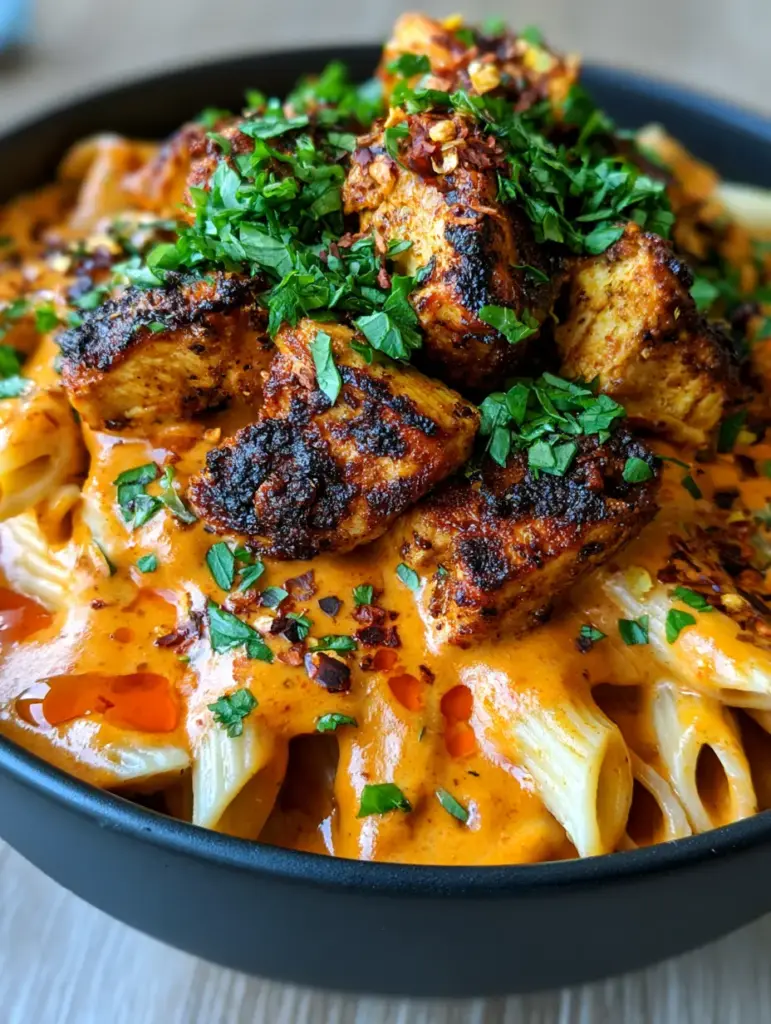
Imagine a matte black shallow bowl piled high with al dente penne, every ridge of the pasta clinging to a thick, vibrant orange-red cream sauce that glows under natural light. The crowning glory is a generous inventory of golden-brown chicken chunks, each bearing the hallmark charred edges of a professional blackened spice rub.
We are going to dive deep into the science of the “Maillard reaction” for that chicken crust and the emulsification techniques required to ensure your sauce never breaks. Whether you are looking for a comforting weeknight win or an impressive date-night centerpiece, this recipe delivers on every visual and flavorful promise.
Why This Bold Creamy Pasta Recipe Works
- Textural Contrast: You get the snap of al dente penne paired with the juicy, tender bite of chicken that has been seared to a blackened crisp.
- Visually Stunning: The contrast between the deep orange-red sauce and the bright green scatter of fresh flat-leaf parsley creates a dish that looks like it was plated by a professional chef.
- Balanced Heat: By utilizing both a dry Cajun rub and glossy chili oil droplets, we layer the heat so it builds pleasantly rather than overwhelming the palate.
- Glossy Emulsification: We use specific ratios of heavy cream and high-quality fats to ensure the sauce looks rich and velvety, catching the light perfectly in every crevice.
The Essential Components for Authentic Cajun Flavor
Achieving that signature orange-red glow and deep, smoky flavor requires a specific set of ingredients. We aren’t just using “spices”; we are building a flavor profile that balances earthiness, heat, and fat.
Penne Rigate: 1 lb (454g). The ridges (rigate) are non-negotiable here, as they act as tiny channels to trap the thick cream sauce, ensuring every bite is fully loaded.
Boneless Skinless Chicken Breasts: 1.5 lbs (680g). Cutting these into uniform 1-inch (2.5cm) chunks ensures even cooking and allows for maximum surface area for the spice rub to adhere and char.
Heavy Whipping Cream: 2 cups (480ml). This is the foundation of our velvet sauce; lower-fat alternatives like milk will not provide the same glossy, thick finish described in our visual blueprint.
Tomato Paste: 2 tbsp (32g). This is the secret to the “orange-red” hue, providing both a concentrated savory base and the vibrant color that defines this dish.
Homemade Cajun Blackening Rub: A blend of smoked paprika, garlic powder, onion powder, dried oregano, dried thyme, and cayenne pepper. This creates the dark, flavorful crust on the chicken chunks.
Parmesan Cheese: 1/2 cup (50g), freshly grated. Fine grating is key here so the cheese melts instantly into the cream without creating a grainy texture.
Unsalted Butter: 2 tbsp (30g). Used for searing the chicken, butter provides the milk solids that help create those blackened, charred edges we are looking for.
Neutral Oil: 1 tbsp (15ml). A high-smoke point oil like avocado or grapeseed oil prevents the butter from burning too quickly during the high-heat sear.
Finely Chopped Fresh Parsley: 1/4 cup (15g). Use flat-leaf Italian parsley for a cleaner, more professional look and a burst of herbaceous freshness to cut through the cream.
Chili Oil: 1 tbsp (15ml). Used as a finishing garnish to create those tiny, glossy orange droplets that pool in the sauce’s crevices for a high-end visual appeal.
Red Pepper Flakes & Black Pepper: For the final “heavy scatter” of seasoning that adds texture and a final pop of heat.
Must-Have Tools for the Perfect Sear
To achieve the visual result seen in our photos, you need the right conductivity. A heavy-bottomed cast iron skillet is the preferred tool for searing chicken because it retains heat better than stainless steel.
You will also need a large pot for boiling the pasta and a sturdy whisk to incorporate the tomato paste and cream into a homogenous, glossy sauce. A microplane is recommended for grating the Parmesan to ensure it is fine enough to emulsify perfectly.
Mastering the Art of the Blackened Chicken Sear
Preparing the Chicken and Spice Foundation
Start by patting your chicken chunks bone-dry with paper towels. Any moisture on the surface of the meat will create steam, preventing that beautiful golden-brown charred crust from forming.
In a small bowl, combine your smoked paprika, garlic powder, onion powder, oregano, thyme, and cayenne. Toss the dry chicken chunks in the spice blend until every side is heavily coated; the spices should look like a thick, dark dust on the meat.
Achieving the Perfect Char
Heat your cast iron skillet over medium-high heat until it is nearly smoking. Add the oil and then the butter; as soon as the butter foam subsides, drop the chicken in a single layer.
Do not crowd the pan, or the temperature will drop. Let the chicken sit undisturbed for 3-4 minutes until a deep, blackened crust forms on the bottom, then flip and cook for another 2-3 minutes until the centers are just barely opaque.
Building the Vibrant Orange-Red Sauce
Remove the chicken from the pan and lower the heat to medium. There will be dark, flavorful bits stuck to the bottom (the fond); do not wash the pan!
Add the tomato paste to the skillet and whisk it into the remaining fat for 1 minute until it turns a shade darker. Slowly pour in the heavy cream, using your whisk to scrape up all those blackened spice bits from the chicken—this is what turns the sauce that iconic orange-red color.
The Final Emulsification
Bring the sauce to a gentle simmer, then stir in the freshly grated Parmesan cheese. Whisk constantly until the sauce thickens enough to coat the back of a spoon with a glossy sheen.
Add your al dente penne directly into the sauce. Toss vigorously to ensure the sauce enters the hollow centers of the pasta, then fold the seared chicken back in to warm through.
Expert Tips for a Visual Masterpiece
- The Pasta Water Hack: Reserved half a cup (120ml) of starchy pasta water. If your sauce becomes too thick before serving, a splash of this liquid will loosen it while maintaining that glossy finish.
- Temperature Control: Never let your cream sauce reach a rolling boil once the cheese is added. High heat can cause the dairy to “break,” resulting in an oily mess rather than a velvety sauce.
- Garnish Technique: When applying the chili oil, use a small spoon to carefully place droplets in the natural dips and valleys of the pasta heap for that “smartphone photo” aesthetic.
- Freshness Matters: Chop your parsley at the very last second. Pre-chopped parsley wilts and loses its vibrant green color, which is essential for the visual contrast against the red sauce.
Best Side Dishes and Internal Favorites
This Cajun Chicken Pasta is a heavy, decadent meal, so it pairs best with light, acidic sides. A crisp green salad with a lemon vinaigrette or roasted broccolini provides the perfect balance.
If you are a fan of this flavor profile, you might want to try our Cajun chicken and sausage pasta for an even meatier version. For those who prefer a bit of a twist on the heat, our Cajun BBQ chicken pasta offers a smoky-sweet alternative.
On warmer days when you want these flavors in a chilled format, check out our Cajun-inspired chicken pasta salad. And for a completely different profile, the classic pasta alla vodka uses a similar tomato-cream base but with a totally different flavor trajectory.
Frequently Asked Questions
Milk is much thinner and more prone to curdling. To achieve the thick, glossy sauce shown in the photos, heavy cream (or double cream) is highly recommended.
The ‘blackened’ look comes from the spices (especially paprika) charring in the butter and oil. Use medium-high heat and a cast iron skillet, and don’t move the chicken for the first 3 minutes to let that crust form.
It has a medium kick due to the cayenne in the rub and the chili oil garnish. You can control the heat by reducing the red pepper flakes or using a milder chili oil.
Cream-based sauces can break when reheated. Add a splash of milk or water to the pasta and heat it gently over low heat on the stove, stirring constantly until the sauce becomes glossy again.
The vibrant orange-red color comes from the combination of tomato paste and the smoked paprika from the chicken rub bleeding into the heavy cream as you deglaze the pan.
The Ultimate Creamy Cajun Chicken Pasta Recipe
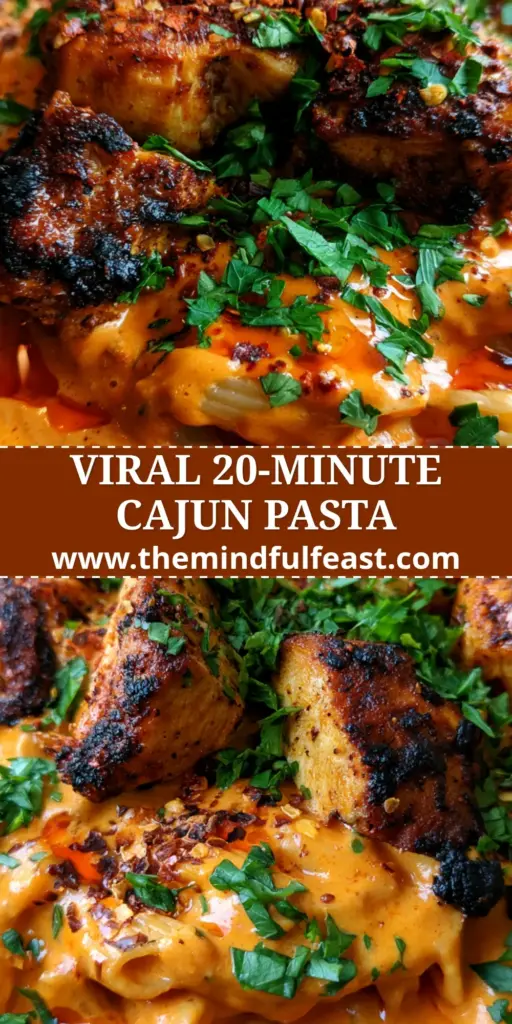
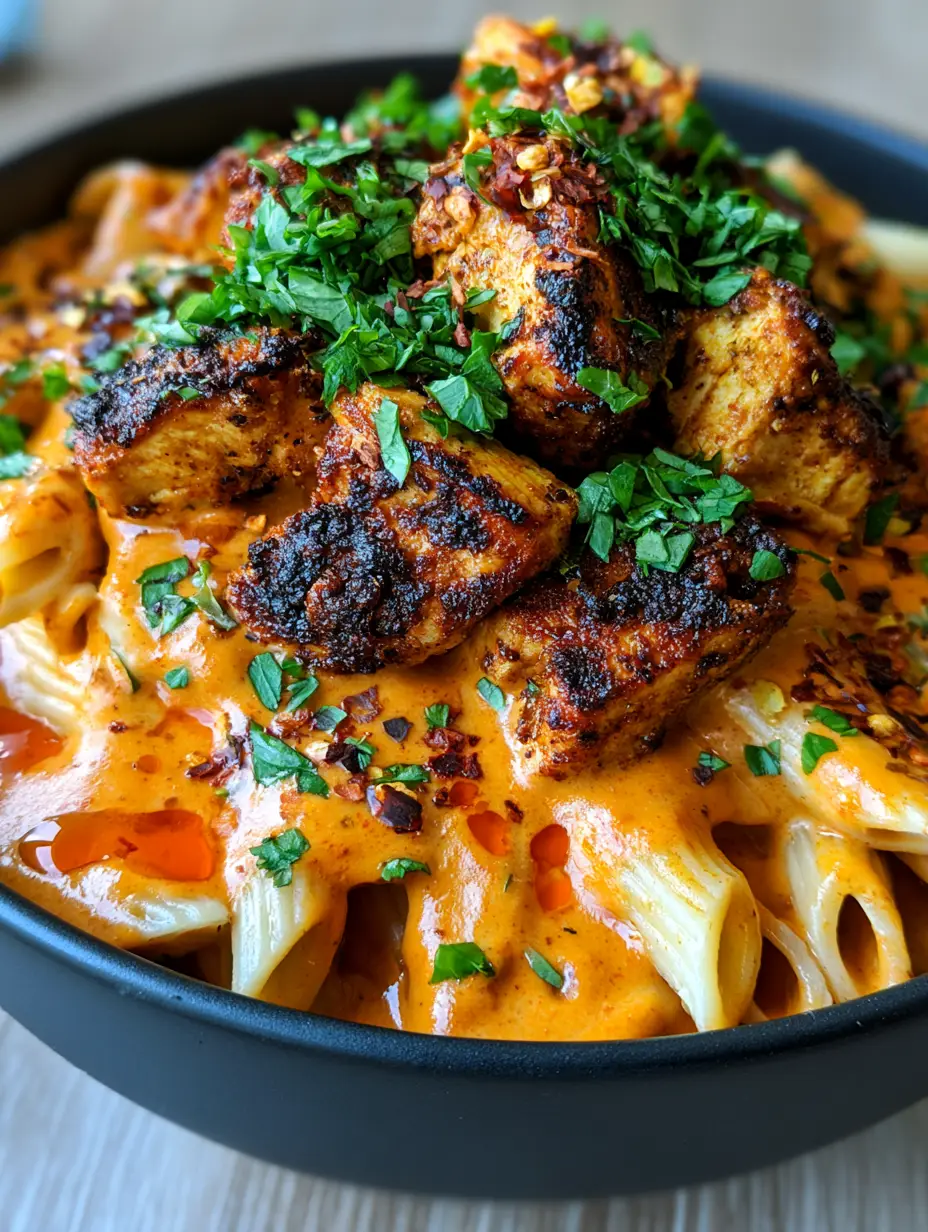
Cajun Chicken Pasta: Creamy, Blackened, and Restaurant-Quality
Ingredients
Equipment
Method
- Cook penne in salted water until al dente. Reserve 1/2 cup (120ml) pasta water, then drain.
- Toss chicken chunks in the Cajun spice rub until heavily and evenly coated on all sides.
- Heat oil and butter in a cast iron skillet. Sear chicken chunks until blackened edges form and chicken is cooked through. Remove from pan.
- In the same skillet, whisk tomato paste and cream. Simmer until thickened, then whisk in Parmesan until glossy and orange-red.
- Toss pasta and chicken into the sauce. Garnish with parsley, red pepper flakes, and droplets of chili oil.
Notes
Ensure the cream does not boil vigorously once cheese is added to prevent curdling.
Closing Thoughts on This Zesty Classic
Bringing this Cajun Chicken Pasta to your table is about more than just satisfying hunger; it’s about mastering the balance of heat and cream. The visual appeal of the charred chicken against that glossy, vibrant sauce makes it a true “authentic flavor find” that you’ll want to make again and again.
If you enjoyed this recipe, please leave a comment below and let us know how your sear turned out! Don’t forget to share your recreations and follow us on Pinterest for more visually stunning recipe inspiration.