Italian Carbonara is more than just a pasta dish; it is a masterclass in culinary physics. Achieving that luminous, pale-yellow egg and pecorino emulsion requires a delicate balance of heat, fat, and starch. When done correctly, the result is a silky, non-scrambled sauce that clings to every al dente strand of spaghetti.
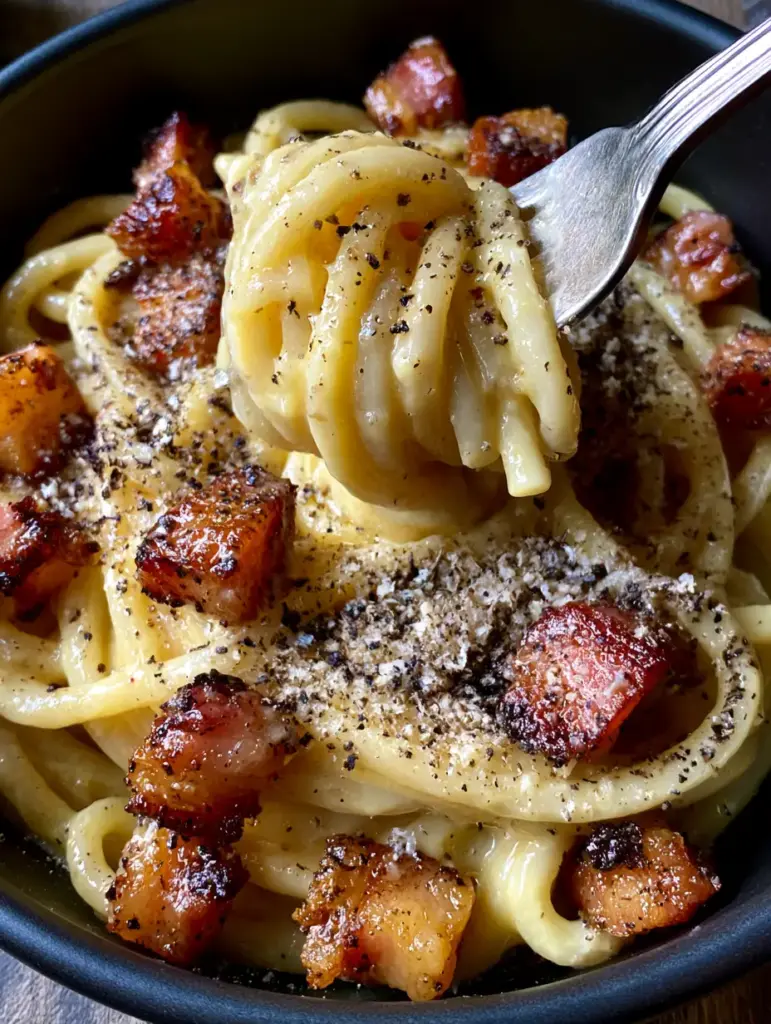
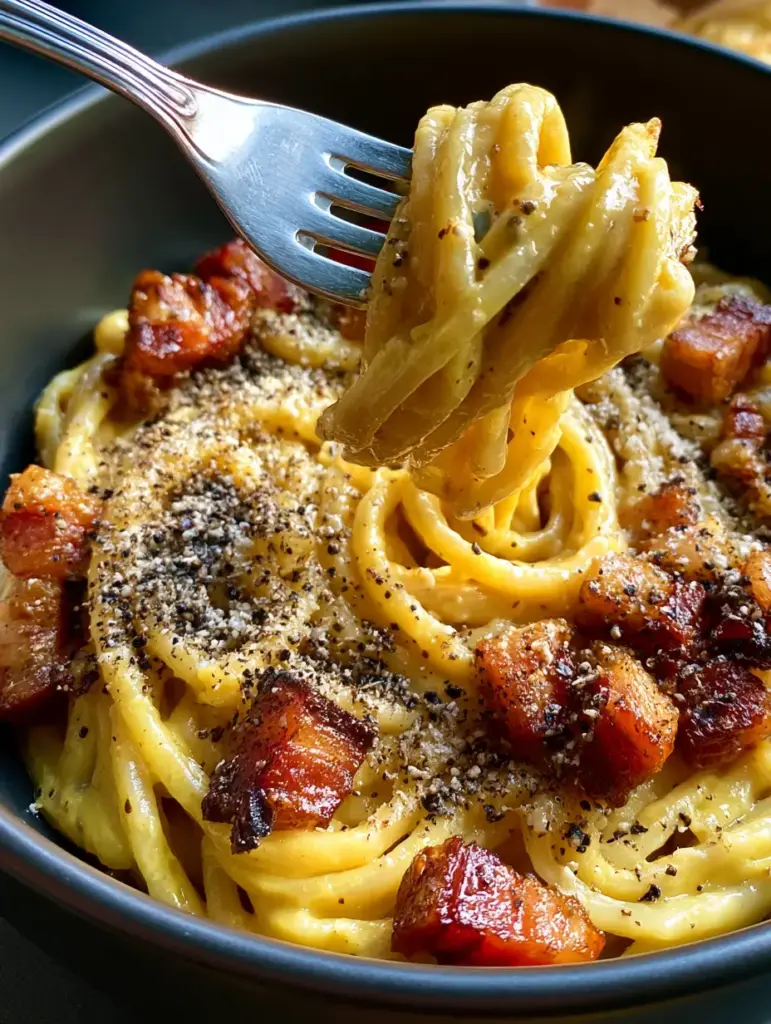
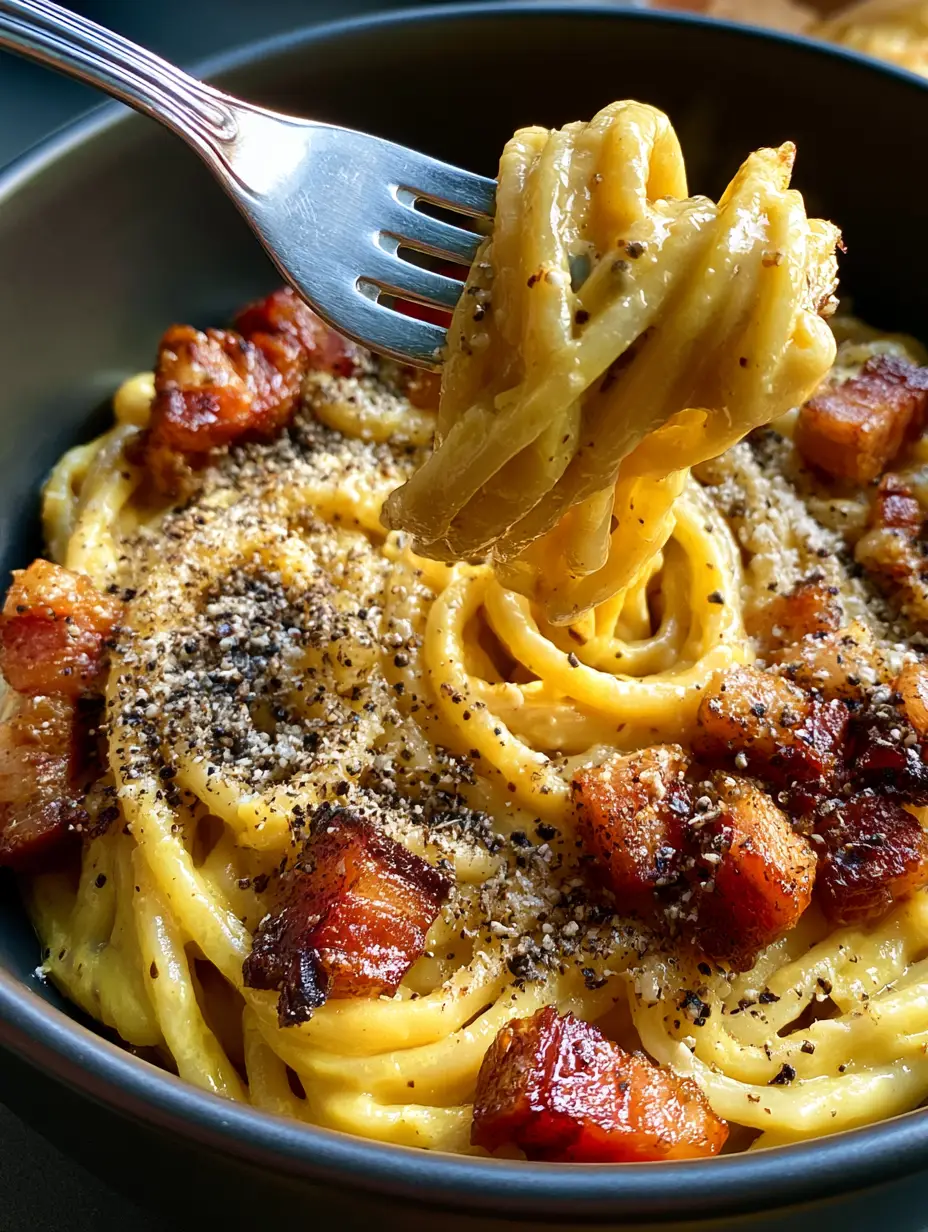
This recipe focuses on the authentic Roman method, eschewing heavy creams for the natural richness of egg yolks and rendered guanciale fat. Imagine sitting in a sun-drenched trattoria, a matte black ceramic bowl placed before you, steam rising to reveal the glistening bunch of noodles lifted by a silver fork mid-twirl. That is the experience we are recreating today.
By following this guide, you will learn the visual and sensory cues necessary to produce a restaurant-quality Italian Carbonara in your own kitchen. We will dive deep into the science of tempering eggs and the importance of coarsely cracked black pepper for that signature bite.
The Visual Allure of an Authentic Roman Icon
- The Luminous Coating: A perfectly executed emulsion that looks like liquid gold, coating the pasta without a single lump or curd.
- Textural Contrast: The crunch of golden-brown, crispy fried guanciale cubes against the firm bite of al dente spaghetti.
- Aromatic Depth: The pungent, earthy heat of heavy coarsely cracked black pepper cutting through the richness of the cheese.
- Visual Sophistication: A final dusting of finely grated Pecorino Romano that looks like freshly fallen snow against the matte black bowl.
The Essential Pantry for a Glossy Italian Carbonara
Dried Spaghetti: 1 lb (450g). High-quality bronze-die extruded spaghetti is essential because its rough surface helps the glossy egg emulsion cling to the noodles rather than sliding off.
Guanciale: 4 oz (115g). This cured pork cheek provides the glistening rendered fat that forms the base of our sauce; its funk and saltiness are the soul of authentic Italian Carbonara.
Egg Yolks: 4 large yolks plus 1 whole egg. The extra yolks provide the intense pale-yellow color and the fat content needed for a stable, creamy emulsion that resists scrambling.
Pecorino Romano Cheese: 1 cup (100g) finely grated, plus extra for topping. This sheep’s milk cheese provides the sharp, salty backbone that balances the richness of the pork fat.
Black Peppercorns: 1 tbsp (6g) coarsely cracked. Using a mortar and pestle or the bottom of a heavy skillet ensures large, irregular fragments that provide bursts of flavor and visual contrast.
Pasta Water: 1/2 cup (120ml) reserved liquid. This “liquid gold” contains the starch necessary to bind the oil-based pork fat with the water-based egg mixture into a cohesive sauce.
Kosher Salt: 2 tbsp (30g) for the pasta water. While the cheese and pork are salty, the pasta itself must be seasoned from within to ensure a well-rounded flavor profile.
Precision Tools for the Perfect Emulsion
To achieve the “handheld smartphone photo” aesthetic, you need the right gear. A large stainless steel skillet is best for rendering the guanciale, while a heat-proof glass or stainless steel mixing bowl is vital for the “bain-marie” method of thickening the sauce.
A microplane or fine grater is non-negotiable for the Pecorino Romano. You want the cheese to be a fine powder so it melts instantly into the eggs. Finally, a pair of kitchen tongs is the best tool for that professional “fork mid-twirl” plating technique.
Mastering the Rendering of Crispy Guanciale
Developing the Golden-Brown Crust
Cut your guanciale into 1/2-inch (1.25cm) cubes. Place them in a cold skillet and turn the heat to medium-low, allowing the fat to melt slowly without burning the meat.
Watch for the cubes to transform from translucent white to a deep, glistening golden-brown. Once they are crispy on the outside but still slightly chewy in the center, remove the pan from the heat, leaving the liquid fat behind.
The Secret to the Luminous Egg Base
While the guanciale renders, whisk your 4 yolks and 1 whole egg in a separate bowl. Gradually fold in the 1 cup (100g) of finely grated Pecorino Romano until a thick, pale-yellow paste forms.
Stir in half of your coarsely cracked black pepper now. This allows the heat of the fat (added later) to bloom the pepper’s essential oils, intensifying the aroma of your Italian Carbonara.
Executing the Silk-Smooth Assembly
Timing the Al Dente Spaghetti
Boil your spaghetti in salted water for exactly 2 minutes less than the package directions. It should have a visible white dot in the center when bitten—this is “molto al dente.”
Using tongs, transfer the noodles directly from the water into the skillet with the rendered guanciale fat. Do not drain the pasta water yet; you will need that starchy liquid to build your sauce.
The Critical Tempering Phase
Remove the skillet from the burner entirely. This is the most important step to prevent scrambled eggs. Add a splash of pasta water to the skillet and toss the noodles to coat them in the pork fat.
Slowly pour the egg and cheese mixture over the pasta while whisking or tossing constantly. The residual heat of the noodles will cook the eggs just enough to create a luminous, glossy coating without curdling.
Adjusting Consistency and Plating
If the sauce looks too thick or sticky, add more pasta water one tablespoon at a time. You are looking for a fluid, silky texture that moves easily when you twirl the fork.
Twirl a large portion of noodles into a matte black bowl. Top with the reserved crispy guanciale, a heavy sprinkle of cracked pepper, and a final snow-like dusting of Pecorino Romano.
Expert Tips for Carbonara Success
- Temperature Control: If you are nervous about the eggs, set the mixing bowl over the pot of boiling pasta water (off the heat) and whisk the pasta and eggs there. The gentle steam provides perfect heat control.
- Pepper Freshness: Never use pre-ground pepper. The visual of large, coarse flakes is a hallmark of authentic Italian Carbonara and provides a completely different flavor profile.
- Cheese Quality: Avoid the “green can” at all costs. Authentic Pecorino Romano is sharp and tangy; if you find it too salty, you can use a 50/50 mix of Pecorino and Parmigiano Reggiano.
- The Resting Period: Let the dish sit for 30 seconds before serving. This allows the sauce to thicken slightly and adhere to the spaghetti strands for that perfect glossy look.
What to Serve with Authentic Italian Carbonara
Because Italian Carbonara is incredibly rich and salty, it pairs best with bright, acidic side dishes. A simple salad of cucumbers and onions in vinegar provides a refreshing crunch that cleanses the palate between bites of silky pasta.
For a multi-course Italian feast, consider starting with a vegetable-forward appetizer like savory zucchini onion pie or a light tray of roasted sheet pan asparagus. These lighter options balance the heavy fats of the guanciale and egg yolks.
If you have leftovers of the crispy guanciale, they make an excellent topping for a low-carb cheesesteak bowl the next day, adding a Roman twist to a modern favorite.
Common Questions About Roman Pasta
While you can use thick-cut bacon or pancetta, guanciale is traditional for its higher fat content and unique funky flavor. If using bacon, choose an unsmoked variety to keep the flavor profile closer to the Roman original.
No. Authentic Roman Carbonara relies strictly on the emulsification of egg yolks, pecorino cheese, and starchy pasta water to achieve its creamy, luminous texture.
Avoid using a standard pepper mill. Instead, place whole peppercorns in a plastic bag and crush them with a heavy skillet or use a mortar and pestle to achieve large, irregular pieces.
Spaghetti is the classic choice because its length and surface area allow the egg emulsion to cling perfectly. Rigatoni is a popular Roman alternative that captures the crispy guanciale cubes inside the tubes.
Scrambling happens when the egg mixture is exposed to direct heat. Always remove your skillet from the burner and let it cool for 30 seconds before adding the eggs, using starchy pasta water to create a creamy emulsion instead.
Authentic Italian Carbonara Recipe
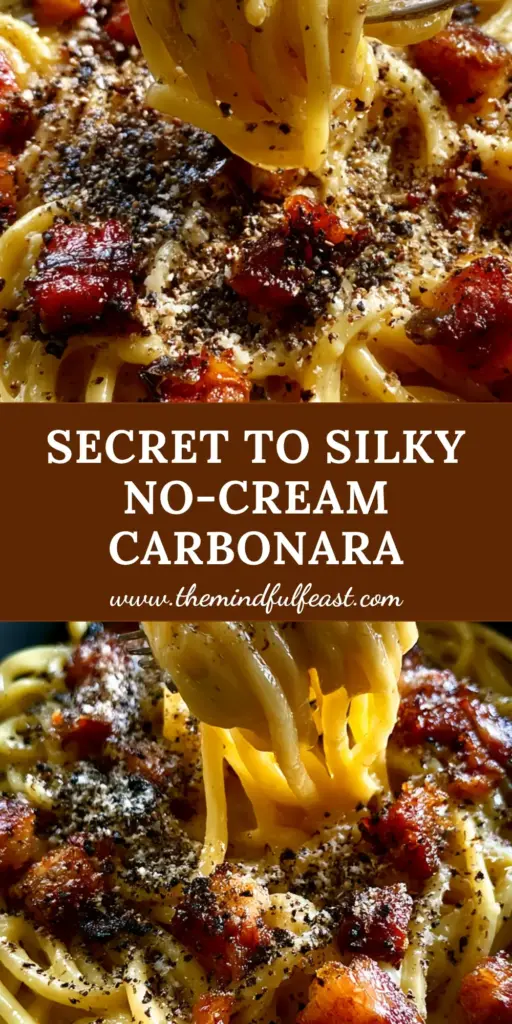
Italian Carbonara: The Definitive Guide to a Glossy Roman Masterpiece
Ingredients
Equipment
Method
- Place guanciale cubes in a cold skillet over medium-low heat. Fry until the fat is glistening and the cubes are golden-brown and crispy. Remove from heat.
- In a mixing bowl, whisk the 4 yolks, 1 whole egg, and grated Pecorino Romano into a thick, pale-yellow paste. Add half the cracked pepper.
- Cook spaghetti in salted boiling water until molto al dente (about 2 minutes less than package instructions). Reserve 1/2 cup of pasta water.
- Transfer hot pasta to the skillet with guanciale fat. Off the heat, pour in the egg mixture and a splash of pasta water. Toss vigorously until a glossy, luminous emulsion forms.
- Plate in a matte black bowl, topping with remaining crispy guanciale, extra pecorino, and a heavy sprinkle of black pepper.
Notes
Use only freshly cracked black pepper for the best visual and flavor contrast.
Final Thoughts on the Roman Classic
Mastering Italian Carbonara is a rite of passage for any home cook. Once you understand the relationship between the starchy water and the egg yolks, you can create a restaurant-quality meal in less than 20 minutes. The contrast of the matte black bowl against the luminous yellow sauce makes this a visually stunning dish for entertaining.
We would love to see your glossy pasta creations! Tag us in your photos and follow our Pinterest for more authentic Italian inspirations. If you enjoyed this deep dive, don’t forget to sign up for our newsletter for weekly culinary masterclasses.