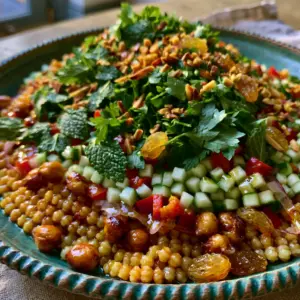
Transport your kitchen to the sun-drenched streets of Beirut with this authentic Manakeesh recipe. There is nothing quite like the aroma of wild thyme and toasted sesame wafting through the house as a fresh batch of manakeesh emerges from the oven.
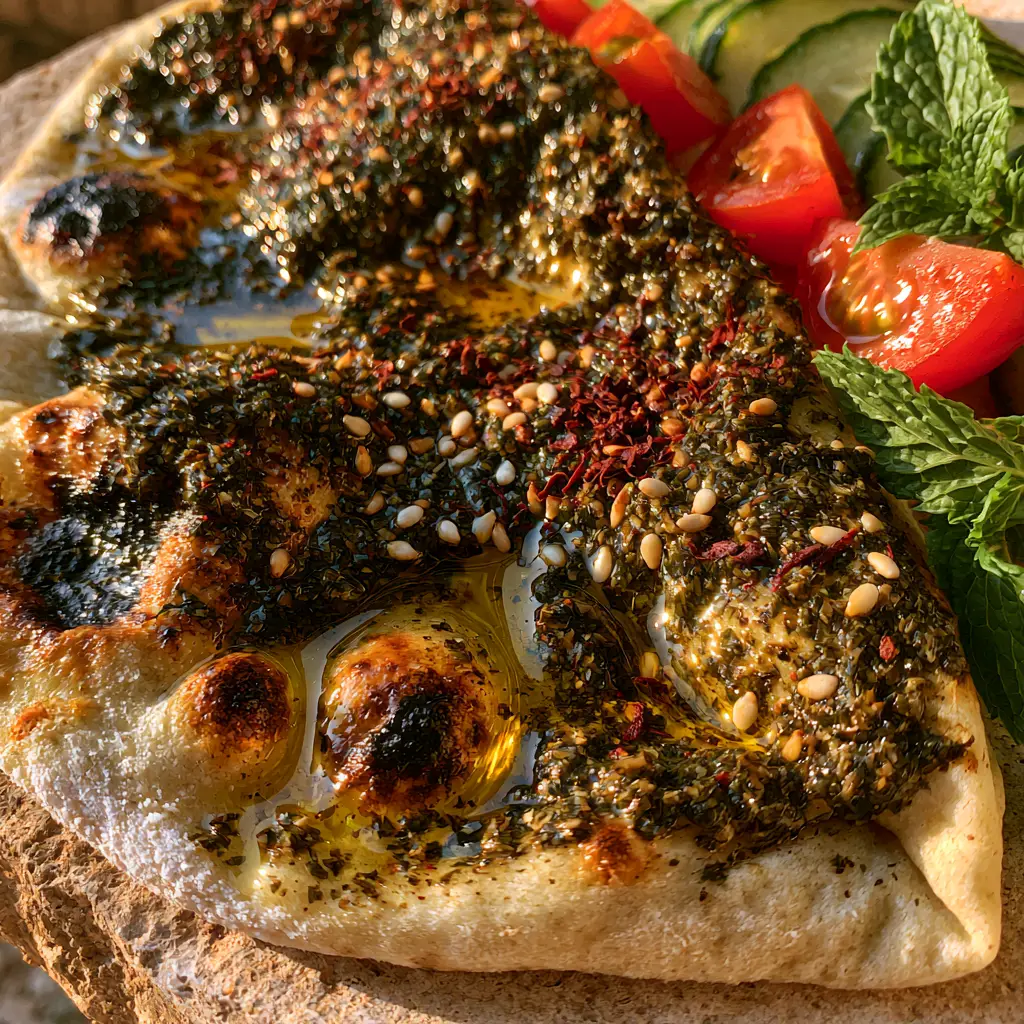
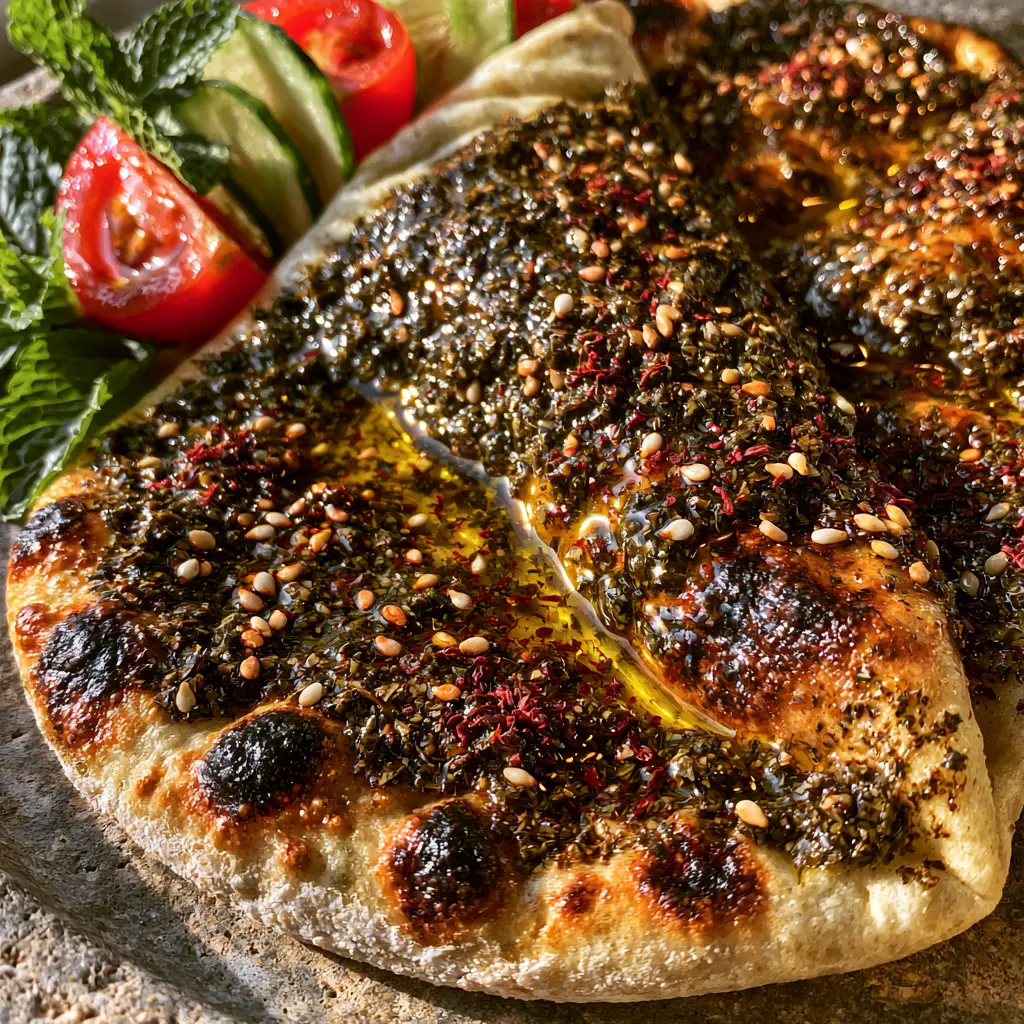
This traditional Lebanese breakfast staple features a pillowy yeast dough, hand-stretched until thin, and topped with a thick, luscious paste of dark green zaatar herbs. When baked at high heat, the dough develops charred golden bubbles and a slightly floury crust that is both soft and flexible.
Whether you are folding it over fresh garden vegetables or serving it as part of a larger spread, this Manakeesh recipe delivers a sensory experience that balances the earthy tang of sumac with the shimmering richness of extra virgin olive oil.
Why This Authentic Za’atar Bread is the Ultimate Comfort Food
- Perfect Texture: The hand-stretched dough provides a soft, flexible base with iconic charred golden bubbles.
- Herbaceous Depth: We use a thick zaatar paste rich in toasted white sesame seeds and crimson sumac flakes.
- Visual Brilliance: Topped with vibrant red cherry tomato halves, crisp cucumber ribbons, and bright green fresh mint leaves.
- Scientifically Tested: The ratio of oil to herb ensures a shimmering finish without a soggy crust.
The Essential Elements for Your Manakeesh Recipe
Achieving the perfect manousheh requires high-quality ingredients that mimic the traditional flavors of the Levant. Each component plays a vital role in the final structure and taste profile of the bread.
All-Purpose Flour: 3 ½ cups (435g). This provides the necessary gluten structure for a dough that is soft enough to fold but strong enough to hold the heavy herb paste.
Warm Water: 1 cup (240ml). Essential for hydrating the flour and activating the yeast; ensure it is between 105°F and 115°F (40°C-45°C) for optimal rise.
Extra Virgin Olive Oil: ½ cup (120ml) for the paste, plus 2 tbsp (30ml) for the dough. Use a high-quality oil to achieve those shimmering golden pools seen in authentic Mediterranean cooking.
Active Dry Yeast: 2 ¼ tsp (7g). One standard packet provides the leavening needed to create those airy, pillowy yeast bubbles.
Za’atar Blend: ½ cup (50g). Look for a blend featuring dried wild thyme (hyssop), toasted sesame seeds, and plenty of red sumac flakes for that signature tang.
Granulated Sugar: 1 tsp (4g). A small amount feeds the yeast and aids in the caramelization that produces the charred golden bubbles.
Fine Sea Salt: 1 tsp (6g). Crucial for tightening the gluten strands and enhancing the earthy flavors of the herbs.
Fresh Garnishes: 1 cup (150g) cherry tomatoes, 1 large cucumber (ribboned), and 1 bunch of fresh mint sprigs. These provide the essential crunch and coolness to balance the warm, savory bread.
Must-Have Tools for Levantine Baking
To replicate the results of a traditional stone oven, you will need a few specific kitchen tools. A heavy-duty baking stone or steel is ideal for achieving that slightly floury crust and quick rise.
If you don’t have a stone, an inverted large baking sheet works well. You will also need a sharp vegetable peeler to create the crisp cucumber ribbons and a rolling pin for the initial shaping, though hand-stretching is preferred for the final texture.
Mastering the Pillowy Hand-Stretched Dough
Step 1: Activating the Yeast
In a small bowl, combine the warm water, sugar, and active dry yeast. Whisk gently and let it sit for 5-10 minutes until a thick, frothy foam forms on the surface, indicating the yeast is alive and ready.
Step 2: Mixing and Kneading
In a large mixing bowl, whisk the flour and salt. Create a well in the center and pour in the yeast mixture and 2 tbsp (30ml) of olive oil. Mix until a shaggy dough forms, then knead on a lightly floured surface for 8-10 minutes until smooth and elastic.
Step 3: The First Proof
Place the dough in a lightly oiled bowl, cover with a damp cloth, and let it rise in a warm, draft-free spot for 60-90 minutes. The dough should double in size and feel light and airy to the touch.
Crafting the Luscious Za’atar Topping
Step 4: The Herb Paste Ratio
While the dough rises, whisk together the ½ cup (120ml) of extra virgin olive oil and the ½ cup (50g) of za’atar. The consistency should be a thick, spreadable paste, not a thin liquid.
Step 5: Visual Indicators
Ensure the toasted sesame seeds and crimson sumac flakes are evenly distributed throughout the dark green herbs. This ensures every bite of your Manakeesh recipe is packed with texture and flavor.
Baking to Golden, Charred Perfection
Step 6: Shaping the Rounds
Preheat your oven (and baking stone) to 475°F (245°C). Divide the dough into 6 equal balls. On a floured surface, pat each ball into a 7-inch (18cm) circle, using your fingertips to create small indentations to hold the oil.
Step 7: The High-Heat Bake
Spread 2 tablespoons of the herb paste onto each dough circle, leaving a small border. Slide the dough onto the hot stone. Bake for 7-9 minutes until the edges are golden-brown and the bottom shows charred bubbles.
Step 8: Fresh Vegetable Garnish
Remove from the oven and immediately top with sliced cherry tomatoes, crisp cucumber ribbons, and fresh mint sprigs. The heat from the bread will slightly soften the vegetables, releasing their aroma.
Expert Tips for a Professional Result
- Don’t Over-Knead: Stop kneading once the dough is smooth; over-kneading can lead to a tough, bread-like texture rather than a soft flatbread.
- High Heat is Key: Ensure your oven is fully preheated to mimic a commercial deck oven for the best Manakeesh recipe results.
- Indentations Matter: Use your fingertips to “dimple” the dough before adding the topping; this prevents the oil from running off the sides.
- Sift Your Flour: If your dough feels too heavy, sifting the flour before measuring can help maintain that “pillowy” quality.
What to Serve with Your Manakeesh
Manakeesh is rarely eaten alone. It is the heart of a traditional breakfast spread. We recommend pairing it with a vibrant Mediterranean Mezze Bowl for a complete protein-packed meal.
For a punch of acidity, serve alongside some Quick Pickles or a fresh Peach Salad during the summer months. If you are serving this for lunch, it pairs beautifully with Lemon Chicken (coming soon) or even a side of Ground Turkey Pasta for a fusion-style dinner.
Storage and Reheating Guidelines
Fresh manakeesh is best enjoyed immediately while the dough is flexible. However, you can store leftovers in an airtight container at room temperature for up to 2 days or in the refrigerator for 4 days.
To reheat, place the bread in a dry skillet over medium heat for 2-3 minutes or in a 350°F (175°C) oven for 5 minutes. Avoid the microwave, as it will make the pillowy dough rubbery and tough.
Frequently Asked Questions
Yes, you can prepare the dough and let it undergo a cold ferment in the refrigerator for up to 24 hours. This actually develops a deeper flavor and makes the dough even more flexible.
While you can, pizza dough is often denser and crispier. For the authentic pillowy and flexible texture of a true Manakeesh recipe, we highly recommend making the specific yeast dough provided here.
While similar in shape, Manakeesh uses a softer, more pillowy yeast dough and is traditionally topped with an herb and oil paste rather than tomato sauce and cheese, though cheese versions (Manakeesh Jebne) do exist.
Use a preheated baking stone or heavy steel at your oven’s highest temperature (at least 475°F/245°C). The intense bottom heat mimics a stone oven, creating those signature golden-brown charred bubbles.
This usually happens if the paste is too thin. Ensure you are using a thick ratio of herbs to oil. Also, dimpling the dough with your fingertips creates pockets that hold the paste on the surface.
The Ultimate Authentic Manakeesh Recipe
Manakeesh Recipe: How to Make Authentic Za'atar Flatbread
Ingredients
Equipment
Method
- Combine warm water, sugar, and yeast in a bowl. Let stand for 10 minutes until frothy.
- Mix flour, salt, oil, and yeast mixture. Knead for 8-10 minutes until smooth and elastic.
- Place in an oiled bowl and cover. Rise in a warm spot for 60-90 minutes until doubled.
- Whisk za'atar and olive oil into a thick paste with visible sesame seeds.
- Preheat oven to 475°F. Divide dough into 6 balls and flatten into 7-inch rounds.
- Spread paste on dough and bake on a hot stone for 7-9 minutes until charred bubbles appear.
- Top with tomatoes, cucumber ribbons, and fresh mint before serving warm.
Notes
Use high-quality Lebanese za'atar for the most authentic flavor.
Share Your Culinary Creation!
We hope this Manakeesh recipe brings a taste of tradition to your home. The combination of toasted sesame, tangy sumac, and hand-stretched dough is truly unbeatable. If you enjoyed this recipe, please leave a comment below and share your photos with us!
Don’t forget to follow us on Pinterest for more authentic Mediterranean inspiration and save this recipe to your “International Flavors” board!