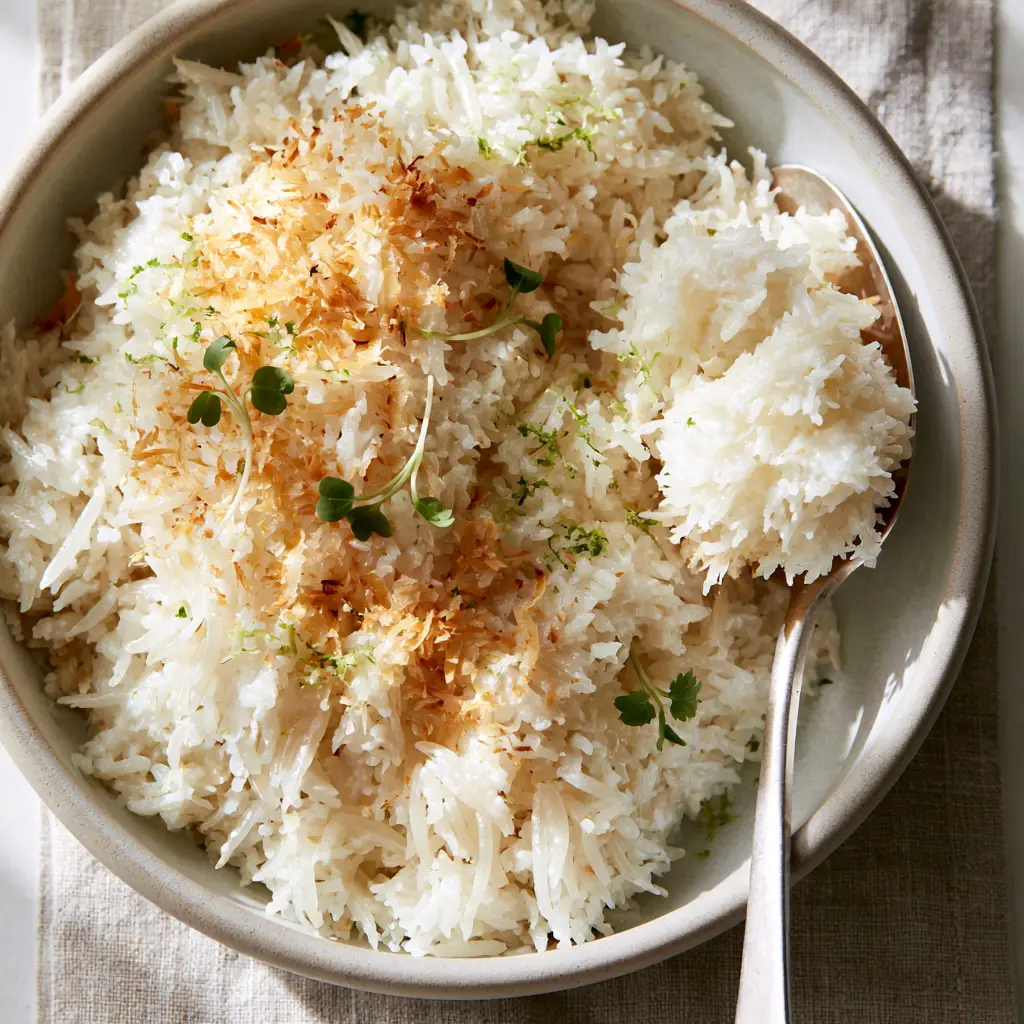
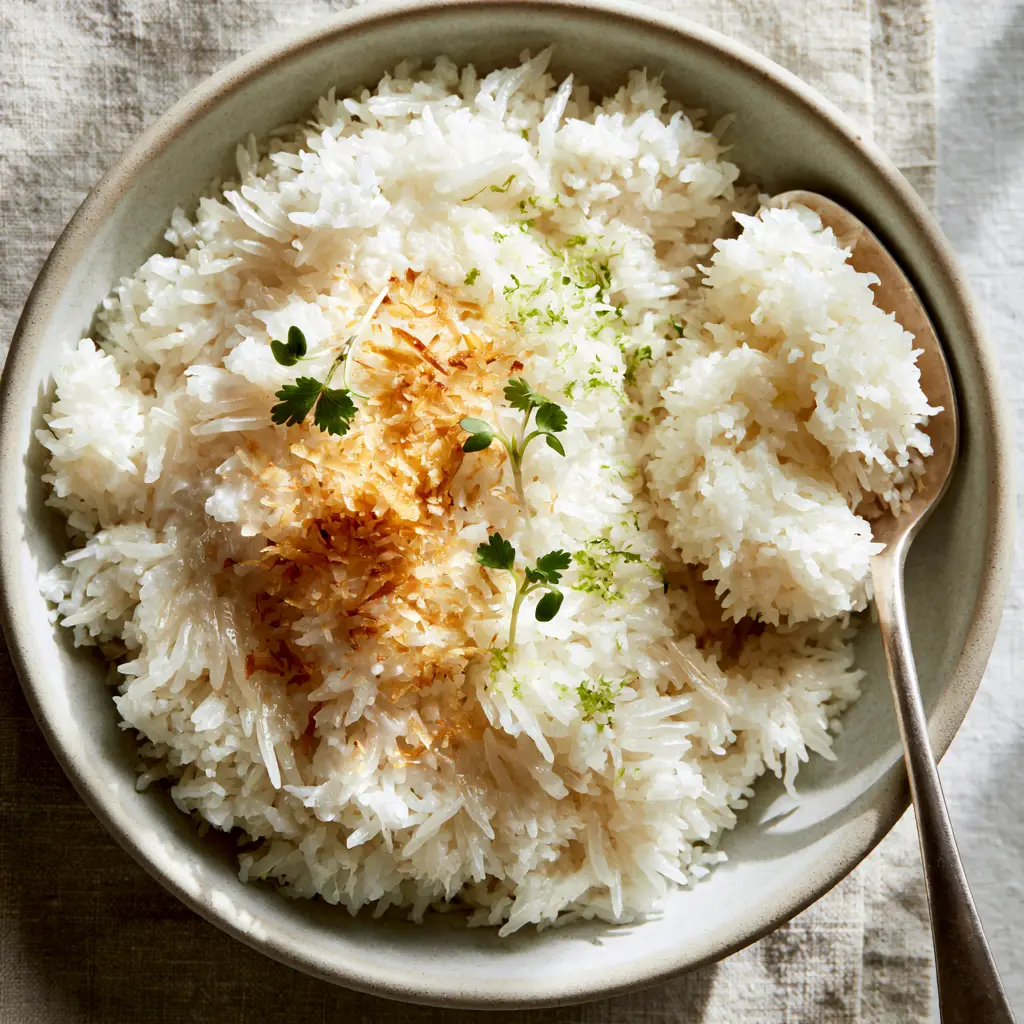
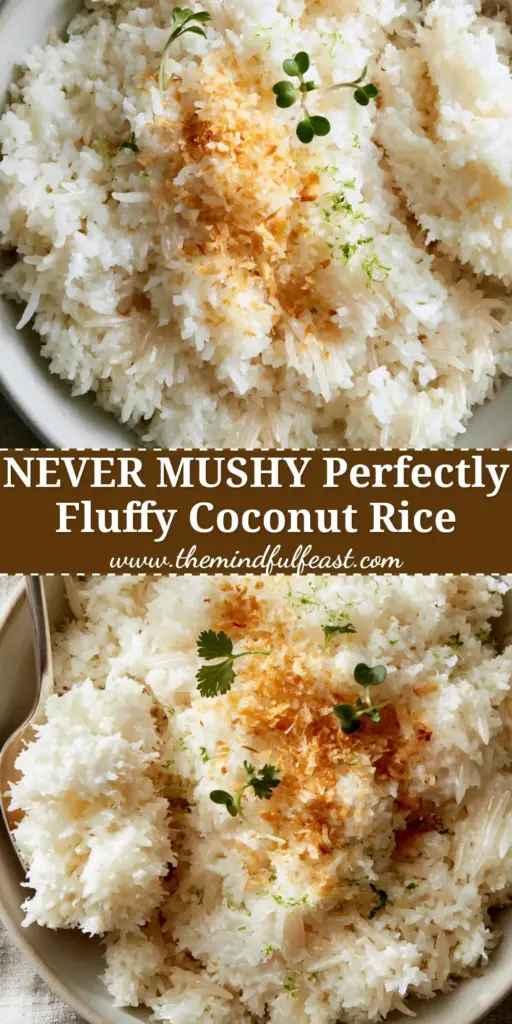
There is a specific culinary magic that happens when the floral aroma of jasmine rice meets the rich, velvety essence of coconut milk. This Coconut Rice recipe isn’t just a side dish; it is a masterclass in texture and tropical flavor profiling. Imagine a minimalist matte ceramic bowl overflowing with grains so perfectly steamed they appear pearlescent under the light.
When you dip a silver spoon into the bowl, you should see a fluffy heap of rice that shows off an airy, light-as-a-feather texture. Each grain remains distinct, glistening with a subtle coconut milk sheen, yet completely free of clumping or mushiness. Topped with golden toasted coconut and a whisper of lime zest, this dish is a sensory journey.
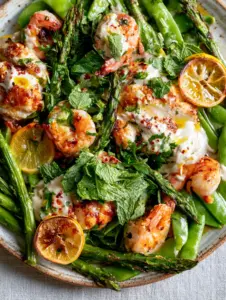
Achieving this “high-end food blog aesthetic” at home requires more than just boiling water. It requires an understanding of starch management and fat ratios. By the end of this guide, you will be producing restaurant-quality rice that pairs beautifully with a shrimp rice bowl or a vibrant fresh mango salsa.
The Aesthetic Appeal: What Makes This Coconut Rice Different?
- Distinct, Pearlescent Grains: Through proper rinsing and a precise liquid-to-rice ratio, we ensure zero clumpiness.
- Subtle Coconut Glaze: Using full-fat coconut milk provides a rich mouthfeel and a glistening visual finish without being greasy.
- Textural Contrast: The crunch of toasted golden coconut flakes breaks up the softness of the steamed rice.
- Vibrant Finishes: Fine lime zest and micro-cilantro add a “pop” of color and a citrusy high note that cuts through the coconut’s richness.
The Anatomy of Ingredients for the Ultimate Coconut Rice recipe
Long-Grain Jasmine Rice: You must use jasmine rice for its natural floral scent and structural integrity. 2 cups (400g) of high-quality long-grain rice provides the essential base for those long, distinct grains seen in our visual blueprint.
Full-Fat Coconut Milk: We use 1 can (13.5oz / 400ml) of premium full-fat coconut milk to create that signature glaze. The fats in the milk coat the rice grains, creating a pearlescent sheen and a luxurious, creamy flavor profile.
Filtered Water: While coconut milk provides flavor, 1 cup (240ml) of water is necessary to dilute the liquid. Pure coconut milk is too thick and sugary, which often leads to scorched bottoms or mushy, over-starched grains.
Granulated Sugar: A small addition of 1 tsp (4g) of sugar acts as a flavor enhancer rather than a sweetener. It bridges the gap between the savory rice and the natural sweetness of the coconut milk.
Fine Sea Salt: Essential for seasoning, 1 tsp (6g) of salt balances the richness of the fats. Without it, the coconut flavor will fall flat and taste one-dimensional.
Toasted Coconut Flakes: 1/4 cup (20g) of unsweetened flakes provides the “golden” visual element. We toast these until they reach a deep amber hue to offer a nutty, crispy contrast to the fluffy rice.
Fresh Lime Zest & Micro-Cilantro: These are your “hero” garnishes. The lime zest provides a whisper of acidity, while the tiny sprigs of micro-cilantro offer a delicate, professional finish to the matte white bowl presentation.
Essential Tools for Precision Steaming
To achieve the result shown in our handheld smartphone photo aesthetic, you need the right gear. A heavy-bottomed saucepan with a tight-fitting lid is non-negotiable to prevent steam from escaping. A fine-mesh strainer is required for the mandatory rinsing process.
For the final presentation, a silver spoon is used to “fluff” rather than stir. This preserves the grain length. Finally, serving in a matte white ceramic bowl allows the pearlescent rice and golden flakes to stand out without glare.
Step-by-Step Guide to Achieving the Perfect Fluffy Texture
Phase 1: The Critical Starch Removal
Place your 2 cups (400g) of jasmine rice in a fine-mesh strainer. Rinse under cold running water for at least 2 minutes, agitating the grains with your fingers. Continue until the water running through is crystal clear; this removes excess surface starch that causes clumping.
Phase 2: The Infusion and Simmer
In your saucepan, combine the rinsed rice, the 400ml (13.5oz) of coconut milk, 240ml (1 cup) of water, salt, and sugar. Stir gently just once to combine. Bring the mixture to a gentle boil over medium-high heat, watching for the first signs of bubbling “coconut foam.”
Phase 3: The Low-and-Slow Steam
As soon as it boils, turn the heat to the lowest possible setting and cover with a tight lid. Simmer for 18-20 minutes. Do not lift the lid; the steam trapped inside is what creates the “airy texture” and the “glistening sheen” we are looking for.
Phase 4: The Toasting and Zesting
While the rice cooks, place your coconut flakes in a dry skillet over medium heat. Toss constantly for 3-4 minutes until they are a vibrant golden brown. Remove immediately from the heat to prevent burning. Zest your lime finely using a microplane.
Phase 5: The Rest and Fluff
Once the cook time is up, remove the pot from the heat but keep the lid on for an additional 10 minutes. This allows the moisture to redistribute. Using a silver spoon, gently “lift” the rice from the bottom, creating a fluffy heap. Fold in half of the lime zest.
Expert Tips for Success with this Coconut Rice recipe
- Watch the Fat Content: Always use canned coconut milk, not the refrigerated carton version. The “glaze” comes from the high fat content in the can.
- The “Finger Test”: If you prefer a firmer grain, reduce the water by 2 tbsp (30ml). This creates a more “al dente” pearlescent grain.
- Avoid the Stir: Stirring rice while it cooks releases starch. For distinct grains, stir only once at the beginning.
- Temperature Control: If your stove runs hot, use a heat diffuser. Burnt coconut milk creates a bitter, brown crust that ruins the “matte white” aesthetic.
Creative Pairings for Your Tropical Rice
This rice is a versatile foundation for many global flavors. It serves as a cooling base for spicy dishes like Kuku Paka (Coconut Chicken Curry) or a balanced side for a crispy cucumber salad.
If you are exploring more grain-based dishes, you might enjoy comparing this texture to a traditional savory rice pilaf or the bold spices of vegan Jollof rice. The creamy coconut profile specifically complements seafood and tropical fruits.
Storage, Reheating, and Freezing
Coconut rice can be stored in an airtight container in the refrigerator for up to 4 days. Because of the coconut fats, the rice will firm up significantly when cold. To reheat, add 1 tbsp (15ml) of water or coconut milk and microwave covered to restore the fluffy texture.
For long-term storage, this rice freezes exceptionally well. Freeze in individual portions for up to 3 months. Thaw overnight in the fridge before reheating to maintain the integrity of the long-grain jasmine rice.
Common Questions About Coconut Jasmine Rice
Yes. Use the same ratios, but ensure you stir the coconut milk and water together well before starting the cycle to ensure even distribution of the fats.
You can, but the rice will lack the signature ‘glistening glaze’ and rich mouthfeel. Full-fat canned coconut milk is essential for the authentic texture and pearlescent sheen.
Jasmine rice is highly recommended for its fragrance and long-grain structure. While Basmati can work, it won’t have the same floral aroma that defines this specific tropical dish.
Coconut milk contains sugars that can scorch easily. Use a heavy-bottomed pot, keep the heat on the lowest possible setting, and never lift the lid during the steaming phase.
Mushy rice is usually caused by excess surface starch or too much liquid. Ensure you rinse the jasmine rice until the water runs completely clear and stick to the 1:1.5 liquid-to-rice ratio.
The Final Recipe: Fragrant Fluffy Coconut Rice
Coconut Rice recipe: The Secret to Fluffy, Fragrant Jasmine Grains
Ingredients
Equipment
Method
- Place jasmine rice in a fine-mesh strainer and rinse under cold water for 2 minutes until the water is no longer cloudy.
- In a heavy saucepan, combine the rinsed rice, coconut milk, water, salt, and sugar. Stir once.
- Bring to a boil over medium-high heat. Immediately reduce to the lowest setting and cover with a lid.
- Simmer undisturbed for 18-20 minutes. Turn off the heat and let the pot sit covered for another 10 minutes to finish steaming.
- Toast coconut flakes in a dry pan until golden. Fluff the rice with a silver spoon and top with flakes, lime zest, and micro-cilantro.
Notes
Use full-fat coconut milk for the best glistening sheen.
Bring the Tropics to Your Kitchen Table
Mastering this Coconut Rice recipe is about embracing the details—from the multi-stage rinsing to the final sprinkle of toasted flakes. The result is a dish that looks like a professional food photograph and tastes like a luxury resort meal. Whether you’re serving it with grilled fish or as part of a larger feast, the airy texture and glistening finish are sure to impress.
If you enjoyed this recipe, please leave a comment below and share your results! For more visual inspiration and kitchen tips, follow us on Pinterest and save this to your favorite boards.