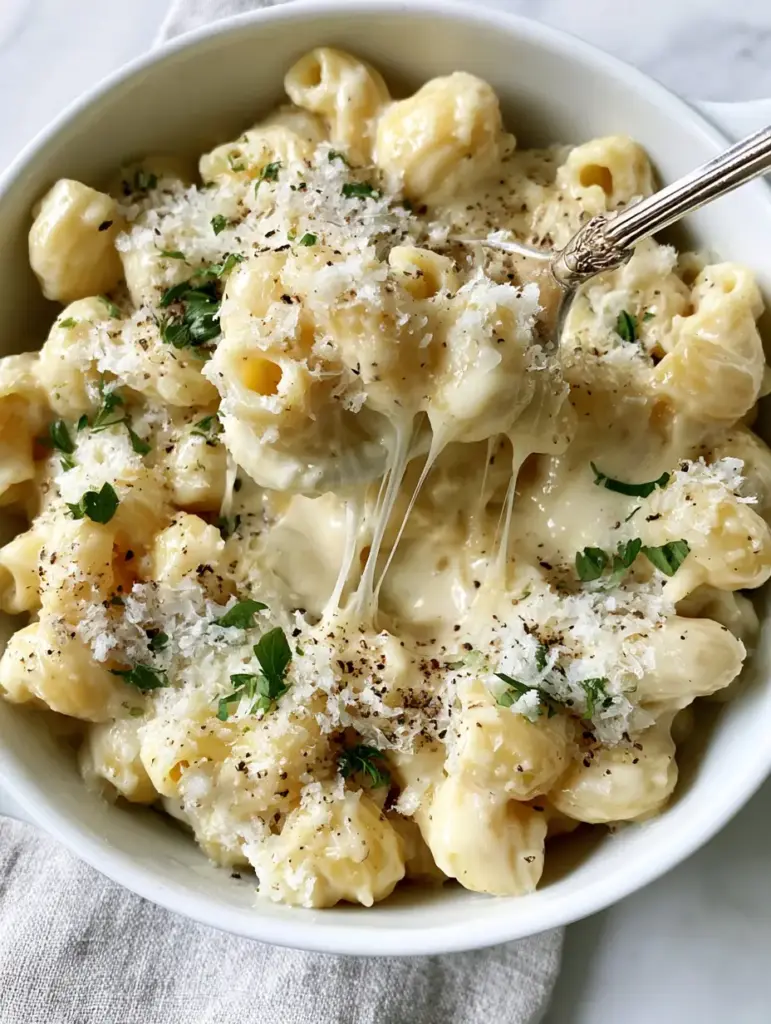
There is nothing quite as comforting as a steaming pot of three-cheese pasta, but this isn’t your average boxed macaroni. Imagine large, ridged cavatappi noodles perfectly suspended in a thick, velvety, pale ivory sauce that clings to every curve.
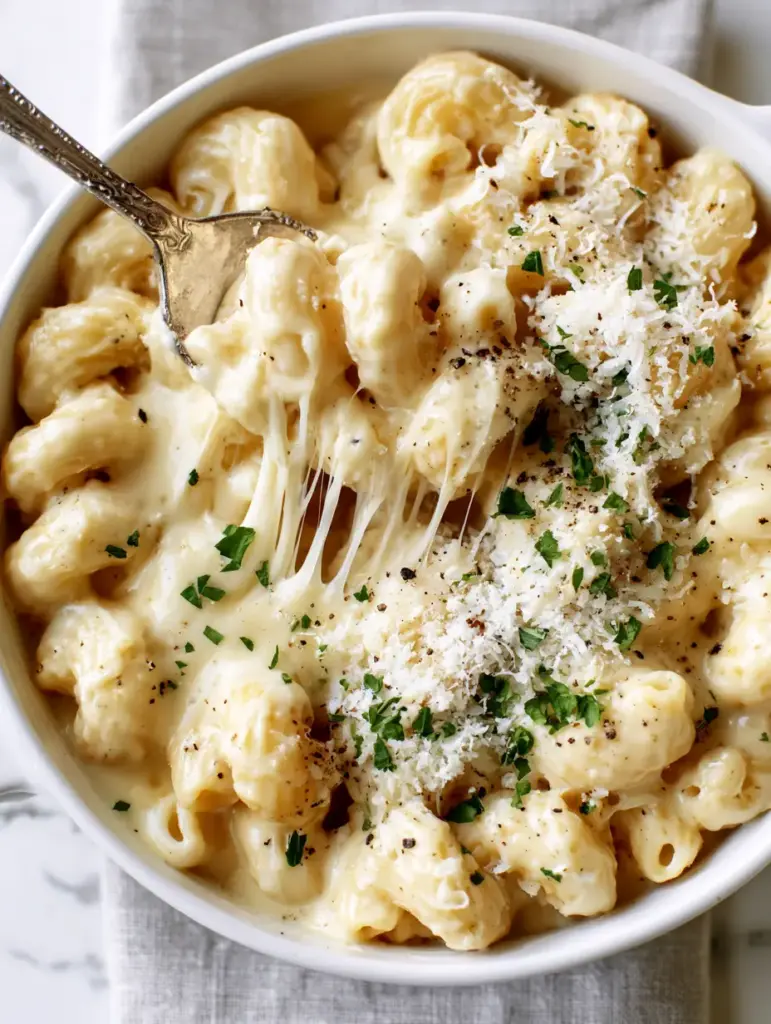
When you lift a vintage silver spoon from the white ceramic pot, long, thin, translucent strings of melted Gruyere and sharp cheddar stretch into the air. This recipe focuses on achieving that high-end food blog aesthetic—a sauce that is perfectly emulsified, glossy, and topped with a snowfall of micro-planed Parmesan.
Whether you are hosting a cozy dinner or looking for the ultimate weeknight indulgence, this three-cheese pasta delivers a sensory experience that looks just as good as it tastes. The contrast of the bright green parsley against the pale sauce and the coarse flakes of cracked black pepper makes every bowl a masterpiece.
Why This Velvety Cavatappi Recipe Works
- Structural Integrity: The ridged cavatappi noodles act like tiny corkscrews, trapping the emulsified heavy cream sauce inside their hollow centers for a burst of flavor in every bite.
- The Perfect Melt: By combining nutty Gruyere with sharp cheddar, we achieve a complex flavor profile and the signature “cheese pull” seen in professional food photography.
- Visual Texture: The use of a micro-plane for the Parmesan creates a delicate, airy garnish that melts instantly upon contact, adding a salty finish without altering the smooth texture of the base sauce.
- Emulsified Perfection: Using a foundational butter-and-garlic base ensures the heavy cream doesn’t break, resulting in a glossy, high-end finish.
The Anatomy of the Ultimate Three-Cheese Pasta Ingredients
Selecting the right components is the first step in creating a restaurant-quality dish at home. Each ingredient in this three-cheese pasta has been chosen for its specific melting point and flavor contribution.
1 lb (450g) Cavatappi Pasta: These large, ridged corkscrews are superior to standard macaroni because their surface area provides more grip for the heavy cream sauce. Always cook these just until al dente to ensure they maintain their bite against the rich cheese.
1.5 cups (355ml) Heavy Cream: This provides the lush, fatty base required for a thick and glossy sauce. Unlike milk, heavy cream reduces beautifully without the need for a flour-heavy roux, keeping the flavor focused on the cheese.
8 oz (225g) Sharp Cheddar Cheese: Freshly grated sharp cheddar provides the backbone of the flavor profile. It melts into a smooth, pale ivory consistency that defines the visual appeal of this dish.
6 oz (170g) Gruyere Cheese: This Alpine-style cheese is the secret to those translucent, elastic cheese strings. Its slightly nutty and earthy notes balance the sharpness of the cheddar perfectly.
2 oz (60g) Parmesan Cheese: We use a micro-plane to grate this finely, creating a garnish that looks like fresh snow. It adds a concentrated hit of umami and salt right before serving.
3 tbsp (45g) Unsalted Butter: Butter serves as the medium for sautéing the garlic and adds a professional silkiness to the final emulsification. It helps the sauce achieve that “handheld smartphone photo” glow.
4 cloves Garlic: Minced and sautéed until fragrant, garlic provides an aromatic depth that prevents the cream and cheese from tasting one-dimensional. Ensure you don’t brown the garlic, as we want to maintain the pale ivory aesthetic.
1/4 cup (15g) Fresh Flat-Leaf Parsley: Finely chopped, this adds a necessary pop of bright green color and a fresh, herbaceous finish to cut through the richness. It is a critical visual element for a high-end food blog look.
Coarse Cracked Black Pepper: Large flakes of pepper provide a visual contrast against the white sauce and offer sharp bursts of heat that wake up the palate. Avoid finely ground pepper, which can make the sauce look “dirty.”
Essential Equipment for a Professional Finish
To recreate the exact look of our visual blueprint, you will need a few specific tools. A white ceramic pot or Dutch oven is ideal for heat retention and provides a clean, bright background for the pasta.
A micro-plane grater is non-negotiable for the Parmesan garnish; it creates the fine, delicate texture that standard box graters cannot replicate. You will also want a vintage silver spoon if you are aiming for that perfect “lift” shot with translucent cheese strings.
Finally, ensure you have a large pot for boiling the pasta and a sturdy whisk to emulsify the heavy cream and melted cheeses into a uniform, velvety liquid.
The Step-by-Step Blueprint for Liquid Gold Pasta
1. Preparing the Pasta Base
Bring a large pot of heavily salted water to a rolling boil. Add the 1 lb (450g) of cavatappi and cook for approximately 8-9 minutes, or until just al dente. Culinary Tip: Reserve 1/2 cup (120ml) of the starchy pasta water before draining; this is the “liquid gold” that helps bind your sauce later.
2. Sautéing the Aromatics
While the pasta drains, place your white ceramic pot over medium-low heat. Melt the 3 tbsp (45g) of butter until it begins to foam. Add the minced garlic and sauté for 1-2 minutes until you smell the fragrance, but ensure the garlic remains pale and translucent.
3. Building the Emulsified Cream Sauce
Pour the 1.5 cups (355ml) of heavy cream into the pot with the garlic butter. Bring the mixture to a very gentle simmer—you should see small bubbles around the edges but not a rolling boil. Whisking constantly, allow the cream to reduce slightly for 3-4 minutes until it begins to thicken.
4. The Three-Cheese Integration
Lower the heat to the lowest setting. Gradually whisk in the shredded sharp cheddar and Gruyere in small handfuls. Wait for each handful to melt completely before adding the next. This slow process prevents the cheese from clumping and ensures the sauce remains perfectly emulsified and glossy.
5. Tossing and Perfecting the Texture
Add the cooked cavatappi noodles back into the ceramic pot. Gently fold the noodles into the cheese sauce until every ridge is coated. If the sauce feels too thick, add a tablespoon of the reserved pasta water at a time until the sauce is velvety and creates those long, thin strings when lifted.
6. The Final Flourish
Remove the pot from the heat. Generously dust the top with the micro-planed Parmesan cheese. Sprinkle the finely chopped fresh parsley and the coarse cracked black pepper over the center. Serve immediately while the cheese is at its peak elasticity.
Expert Tips for the Perfect Cheese Pull
- Grate Your Own Cheese: Never use pre-shredded cheese in bags. Those products are coated in potato starch or cellulose to prevent clumping, which will ruin the emulsification and prevent the translucent cheese strings you see in the photos.
- Temperature Control: If the sauce gets too hot, the fats will separate from the solids, leading to a greasy, broken mess. Keep the heat low once the cheese is introduced.
- The Pasta Water Secret: The starch in the reserved water acts as a bridge between the oily cheese and the watery cream, creating a cohesive, professional-grade sauce.
- Freshness Matters: Flat-leaf parsley loses its vibrant green color quickly. Chop it right before serving to ensure the contrast against the ivory sauce remains sharp.
Creative Pairings for Your Pasta Feast
This three-cheese pasta is incredibly rich, so it pairs beautifully with dishes that offer a bit of acidity or heat. A crisp green salad with a lemon vinaigrette is a classic choice.
If you want to create a full pasta spread, consider serving this alongside our garlic lemon pasta for a zesty contrast. For those who enjoy a bit of spice, this dish acts as a wonderful cooling side for a creamy cajun pasta recipe.
If you have leftover noodles, you can even repurpose them into a baked zucchini and cheese casserole the next day by adding a few extra vegetables and a breadcrumb topping.
Frequently Asked Questions
While you can use milk, the sauce will be thinner and less glossy. Heavy cream allows for a natural reduction that creates a thick, velvety coating without the need for a flour-based roux.
Reheat it slowly on the stovetop over low heat, adding a splash of cream or milk to help re-emulsify the fats. Avoid the microwave, as it often causes the cheese to separate from the sauce.
Gruyere and high-quality Sharp Cheddar are the best for achieving long, translucent cheese strings. Gruyere, in particular, has a unique protein structure that becomes highly elastic when melted slowly in cream.
Graininess usually happens if you use pre-shredded cheese (which contains anti-clumping starches) or if the heat is too high. Always grate your cheese from a block and melt it over the lowest possible heat.
Cavatappi has a ridged surface and a corkscrew shape that is specifically designed to catch and hold onto thick sauces, ensuring more cheese flavor in every bite compared to smooth macaroni.
The Ultimate Three-Cheese Pasta Recipe
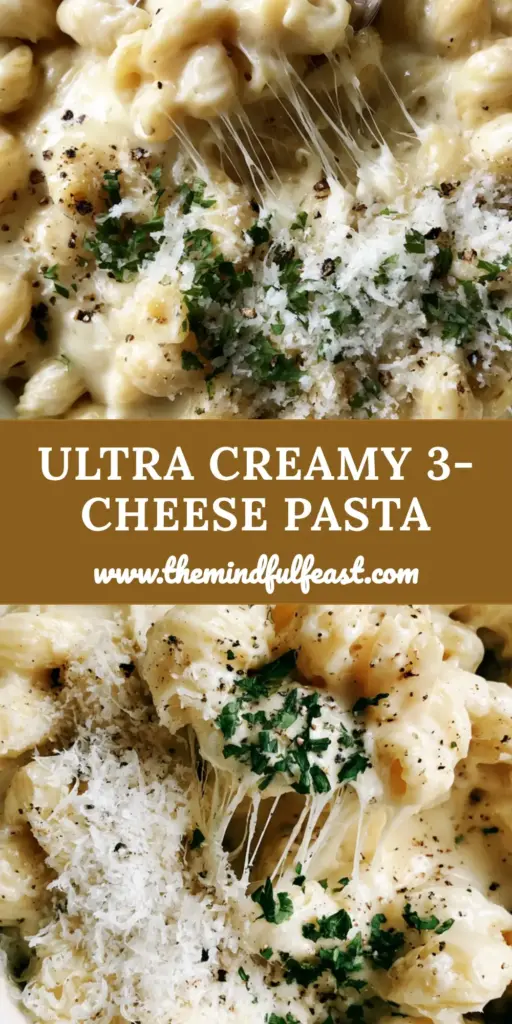
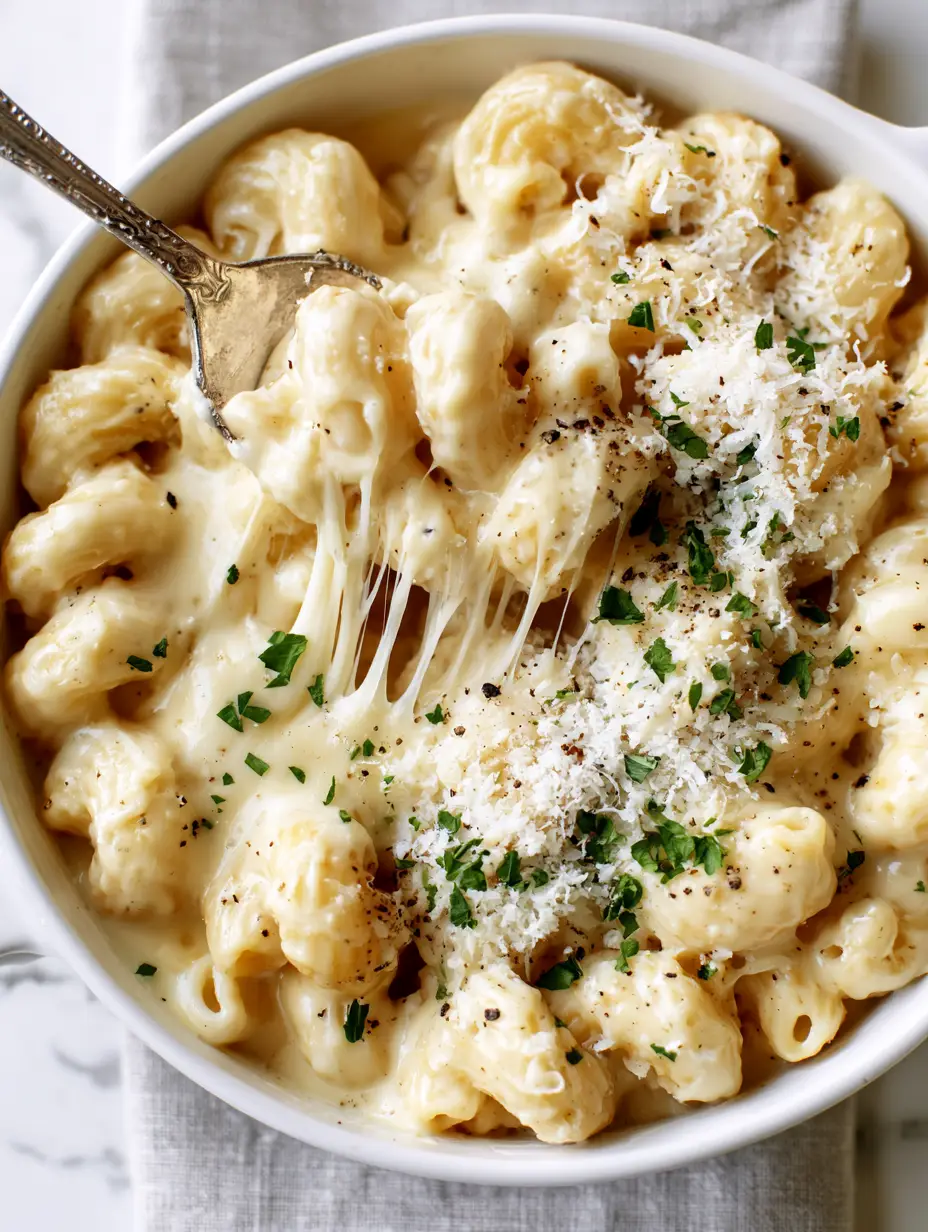
Three-Cheese Pasta with Glossy Gruyere and Sharp Cheddar
Ingredients
Equipment
Method
- Cook cavatappi in salted water until al dente. Reserve 1/2 cup (120ml) pasta water, then drain.
- Melt butter in a white ceramic pot. Sauté minced garlic until fragrant but not browned.
- Add heavy cream and simmer gently for 3-4 minutes until slightly thickened.
- Lower heat and whisk in cheddar and Gruyere in batches until smooth and emulsified.
- Toss pasta in the sauce, adding reserved water if needed to reach a glossy consistency.
- Top with micro-planed Parmesan, fresh parsley, and cracked black pepper.
Notes
Don't boil the sauce after adding cheese or it may break.
Join the Honest Food Craving Community
We hope this three-cheese pasta becomes a new staple in your kitchen. There is nothing quite like the satisfaction of a perfectly emulsified sauce and that iconic cheese pull captured in your own kitchen.
If you enjoyed this recipe, please leave a comment below and let us know how your sauce turned out! Don’t forget to follow us on Pinterest for more visual recipe blueprints and culinary inspiration. Tag us in your photos so we can see your glossy cavatappi creations!