The traditional Arabic breakfast is more than just a meal; it is a sensory journey that defines the hospitality of the Levant. When you sit down to a table spread with vibrant colors and fresh aromas, you are participating in a ritual that has nourished generations.
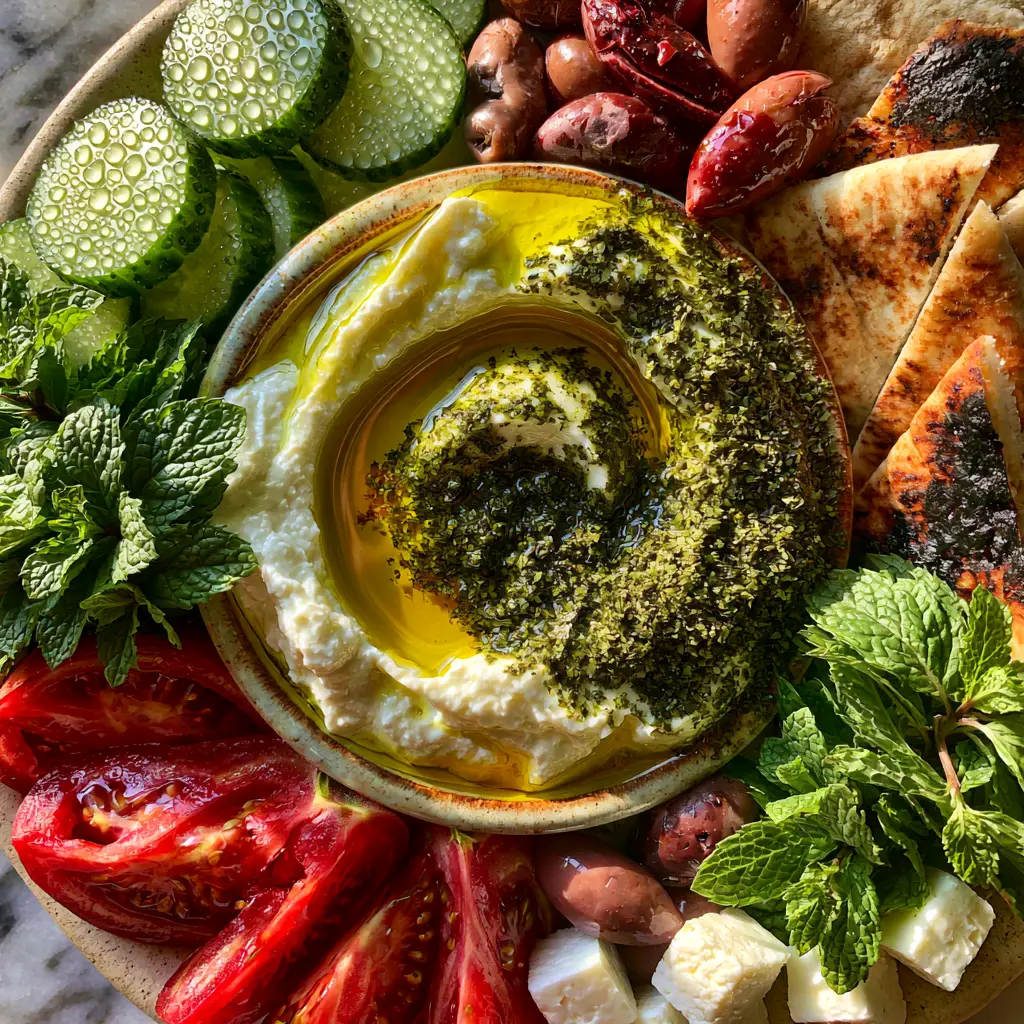
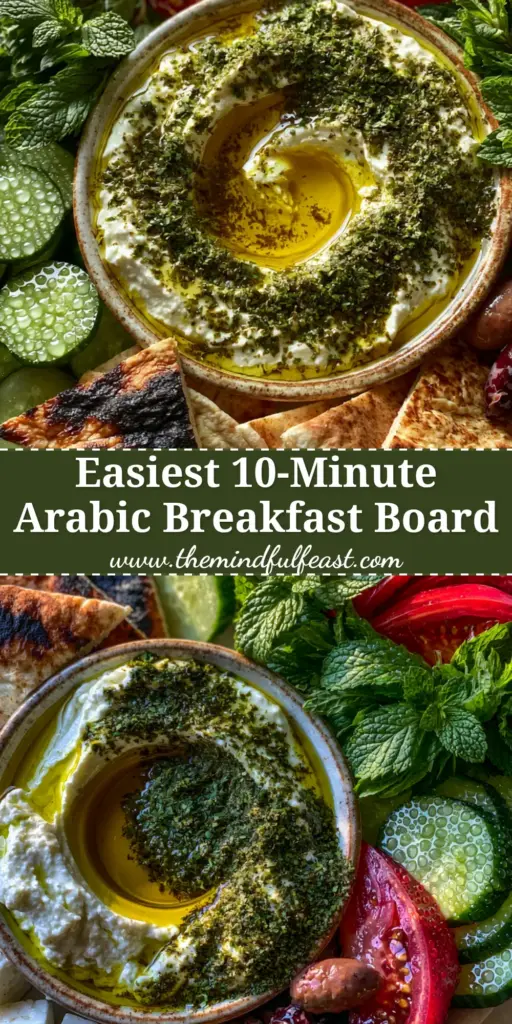
This specific Arabic breakfast board is designed to replicate the “handheld smartphone” aesthetic of a modern morning: bright, fresh, and irresistibly glossy. From the deep well of golden olive oil in the center of velvety labneh to the charred edges of warm pita, every element is a testament to the beauty of simple, high-quality ingredients.
Whether you are hosting a weekend brunch or looking for a nutrient-dense start to your day, this spread offers the perfect balance of healthy fats, probiotics, and crisp garden vegetables. Let’s dive into how to construct this masterpiece from scratch.
Why This Traditional Middle Eastern Morning Spread Works
- The Texture Contrast: You get the thick, velvety smoothness of home-strained labneh against the sharp, watery crunch of water-beaded cucumber slices.
- Visual Vibrancy: The ruby red heirloom tomato wedges and deep green peppermint leaves create a “wow factor” that makes this board the centerpiece of any table.
- Flavor Complexity: Earthy, citrusy zaatar meets the salty tang of white feta cheese cubes and the rich, fruity notes of premium extra virgin olive oil.
- Nutritional Density: Packed with antioxidants, healthy monounsaturated fats, and protein, it’s a meal that provides sustained energy without the mid-morning sugar crash.
The Anatomy of an Authentic Arabic Breakfast
To achieve the visual result seen in our professional photography, we need to focus on both the visible components and the “invisible” culinary foundations that ensure structural integrity and flavor depth.
Full-Fat Greek Yogurt (900g / 32oz): This is the foundation of your labneh. Using a high-fat content ensures that once strained, the labneh is thick enough to hold a “deep well” for the olive oil without collapsing.
Extra Virgin Olive Oil (120ml / 0.5 cup): Seek out a cold-pressed, early-harvest oil. It should look like liquid gold and have a slightly peppery finish to cut through the creaminess of the yogurt.
Dried Zaatar Blend (4 tbsp / 30g): A high-quality blend of wild thyme, toasted sesame seeds, and sumac. This provides the “heavy dusting” of green that adds both visual texture and an earthy, citrusy aroma.
Persian or English Cucumbers (3-4 small): These varieties have thinner skins and fewer seeds. We want them sliced thin enough to be crisp, yet sturdy enough to scoop the labneh.
Heirloom Tomatoes (2-3 large): Choose a variety of colors—deep reds, oranges, and purples. Wedging them reveals the internal “ruby” structure that looks so striking under natural morning light.
Fresh Peppermint Leaves (1 bunch): Not just a garnish, these are meant to be eaten with the olives and labneh for a cooling contrast. Look for bright green, non-wilted bunches.
Kalamata Olives (150g / 1 cup): Their earthy, salty profile and dark purple hue provide a necessary color anchor to the brighter vegetables on the board.
Pita Bread (4-6 rounds): We will be cutting these into triangles and charring them to add a smoky element to the meal. You can even use these as a base for innovative brunch spreads.
Feta Cheese (200g / 7oz): Look for sheep’s milk feta stored in brine. We will cut these into uniform cubes to maintain the clean, geometric aesthetic of the board.
Sea Salt (1 tsp / 5g): Essential for the straining process of the labneh to draw out moisture and season the yogurt from within.
Essential Equipment for the Perfect Mezze Board
Achieving the “velvety” texture of the labneh requires a bit of patience and the right tools. You will need a fine-mesh strainer and a clean, high-weave cheesecloth or a dedicated nut milk bag.
For the vegetables, a very sharp chef’s knife is non-negotiable to get those clean, “water-beaded” cucumber slices without bruising the flesh. A cast-iron skillet or an open gas flame is also required to get the authentic char on your pita bread triangles.
Finally, choose a large neutral marble countertop or a large white marble platter. The cool, light tones of the marble make the “glossy textures” of the oil and the “ruby red” of the tomatoes pop in photographs.
Step-by-Step: Crafting Your Arabic Breakfast Masterpiece
The Secret to Thick, Velvety Labneh
Start by mixing your full-fat Greek yogurt with the sea salt in a medium bowl. The salt is a “foundational” ingredient that helps break down the whey structure, allowing it to drain effectively.
Line your fine-mesh strainer with a double layer of cheesecloth and set it over a deep bowl. Pour the yogurt mixture into the cloth, tie the top securely, and let it sit in the refrigerator for at least 12 to 24 hours.
When you open the cloth, the yogurt should have transformed into a thick, spreadable cheese. Transfer it to a ceramic bowl and use the back of a spoon to create a deep, swirling well in the center, ready for the oil.
Prepping the Garden-Fresh Accoutrements
Wash your cucumbers in ice-cold water to ensure they are crisp. Slice them into thin rounds and keep them slightly damp to maintain that “water-beaded” look that signifies freshness.
Cut your heirloom tomatoes into thick wedges. If you want to lean into a more substantial meal, you might consider pairing these with healthy breakfast options for a multi-course brunch.
Rinse the peppermint leaves and pat them dry very gently. Arrange them in small “bunches” rather than individual leaves to create a more organic, lush appearance on the board.
The Art of the Charred Pita
Take your fresh pita bread and cut each round into six triangles. For the best flavor, lightly brush each side with a tiny amount of olive oil.
Place the triangles directly over a medium gas flame using tongs, or in a very hot dry cast-iron skillet. Watch for the edges to turn black and “blistered”—this provides the “smoky” sensory cue that defines a traditional Arabic breakfast.
Keep the pita wrapped in a clean kitchen towel until the moment of serving so they remain “warm” and pliable for dipping into the labneh.
Final Assembly and Sensory Styling
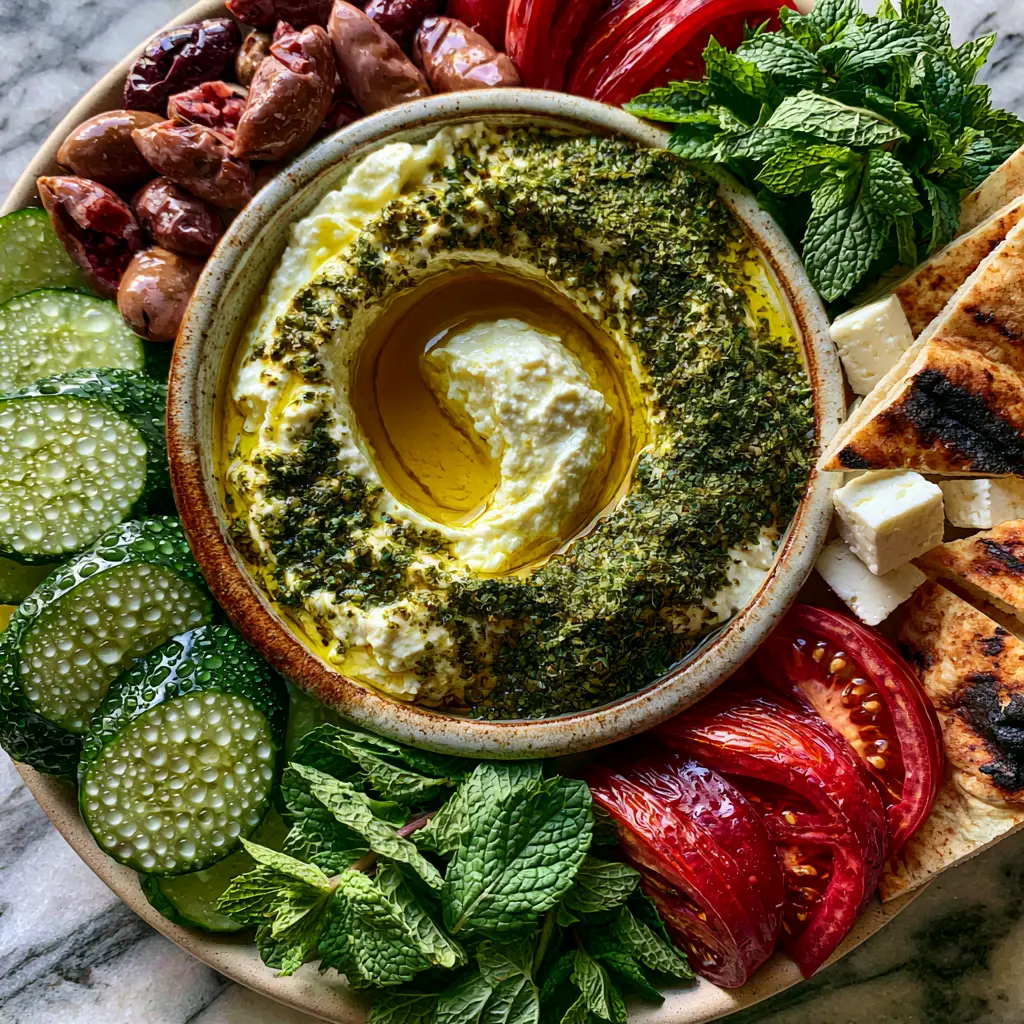
Place the bowl of labneh in the center of your marble platter. Pour the extra virgin olive oil into the well until it threatens to overflow, creating a “glossy texture” that catches the light.
Generously apply the zaatar. You want a “heavy dusting” that covers at least half the surface of the labneh, providing a deep green contrast to the white yogurt and golden oil.
Encircle the bowl with your prepared cucumbers, tomatoes, feta cubes, and kalamata olives. Tuck the bunches of mint into any gaps and stack the warm pita triangles on the side.
Expert Tips for a Professional Result
- Temperature Control: Serve the labneh slightly chilled but the pita bread very warm. This temperature contrast is a hallmark of high-end Mediterranean dining.
- The “Gloss” Factor: If your vegetables look a little dull before serving, a very light mist of cold water on the cucumbers and a tiny drop of oil on the olives will make them shine under your “natural morning light.”
- Feta Quality: Avoid pre-crumbled feta. Buying a block and cutting it into cubes yourself ensures the edges are sharp and the interior remains creamy.
- Herb Variations: While peppermint is traditional, adding a few sprigs of fresh thyme can complement the dried zaatar beautifully. This is a great trick when serving this alongside a savory platter.
Storage and Make-Ahead Advice
The labneh is actually better when made 2-3 days in advance, as the flavors mellow and the texture firms up. Store it in an airtight container in the fridge with a thin layer of olive oil on top to prevent drying.
Vegetables should be sliced fresh for the best “water-beaded” visual, but you can wash and dry the mint and cucumbers the night before. Leftover charred pita can be toasted the next day, though it is best eaten immediately.
Do not freeze labneh; the freezing process will break the emulsion of the yogurt and result in a grainy, watery mess once thawed.
What to Serve with an Arabic Breakfast Spread
This mezze board is incredibly versatile. For a complete breakfast buffet, consider adding some protein-heavy dishes. A hearty egg dish can provide a nice warm balance to the cold labneh.
For those who prefer a bit of sweetness, a side of honey-drizzled nuts or even some sweet treats can act as a palate cleanser after the salty olives and feta.
Frequently Asked Questions
Yes! To make this spread gluten-free, simply swap the traditional wheat pita bread for your favorite gluten-free flatbread or serve with extra cucumber slices and bell pepper strips for dipping.
Fresh labneh will stay delicious for up to 2 weeks if stored in an airtight container. To extend its shelf life, cover the surface with a thin layer of extra virgin olive oil.
Absolutely. It is a cornerstone of the Mediterranean diet, focusing on healthy fats from olive oil, lean protein from yogurt and feta, and a high volume of fresh, fiber-rich vegetables.
Traditional zaatar is a vibrant blend of dried wild thyme (or oregano), toasted sesame seeds, salt, and sumac, which provides its signature lemony tang.
Labneh is a Middle Eastern cheese made by straining yogurt to remove the whey. It has a thick, velvety consistency similar to cream cheese but with a distinctive tangy, probiotic-rich flavor profile.
The Ultimate Recipe for a Traditional Arabic Breakfast Board
Arabic breakfast: An Authentic Labneh and Mezze Board
Ingredients
Equipment
Method
- In a bowl, combine the Greek yogurt and sea salt, stirring well to ensure even distribution.
- Line a strainer with cheesecloth, pour in the yogurt, and refrigerate for 12-24 hours until thick and velvety.
- Slice the cucumbers into rounds and wedge the heirloom tomatoes. Cube the feta cheese into uniform pieces.
- Place pita triangles over a gas flame or in a hot skillet until charred and blistered around the edges.
- Plate the labneh with a deep well of olive oil and a heavy dusting of zaatar, then surround with vegetables, olives, and bread.
Notes
Keep cucumbers slightly damp for the best visual water-beaded effect.
Bringing the flavors of the Middle East to your kitchen is a rewarding experience that engages all the senses. From the “earthy” smell of the zaatar to the “vibrant” colors of the heirloom tomatoes, this Arabic breakfast is designed to be shared and savored.
If you enjoyed this guide to creating the perfect morning spread, please consider sharing your results! Tag us in your photos and follow our journey on Pinterest for more culinary inspiration.
Don’t forget to leave a comment below with your favorite mezze additions, and sign up for our newsletter to get elite recipes delivered straight to your inbox every week!