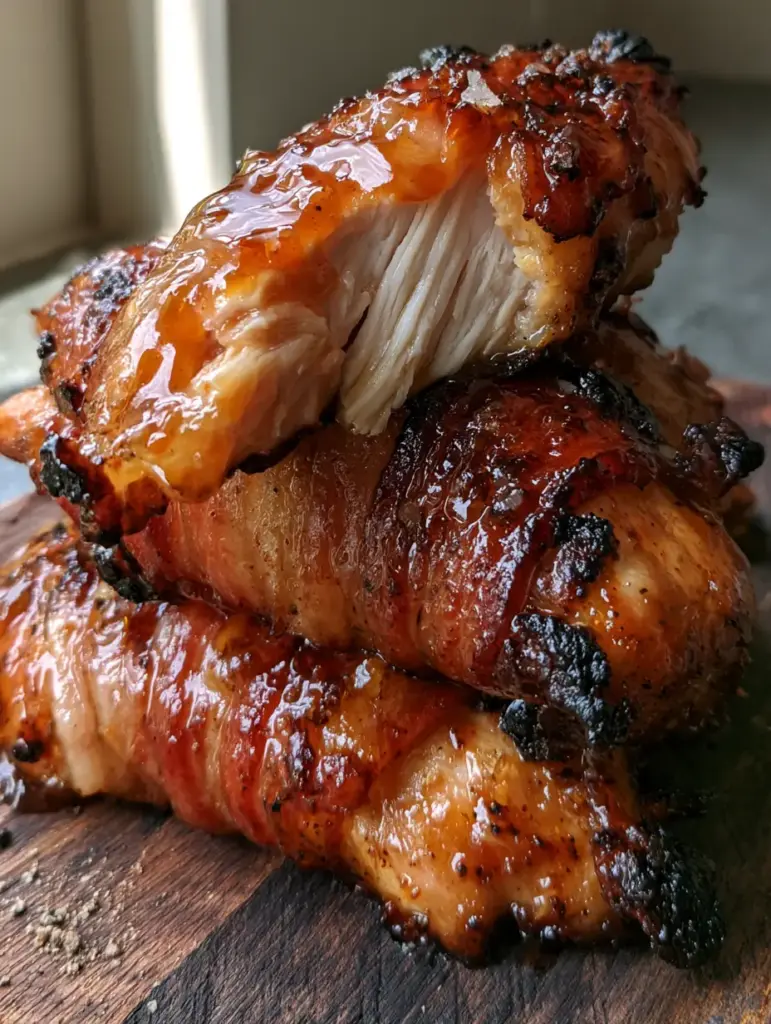
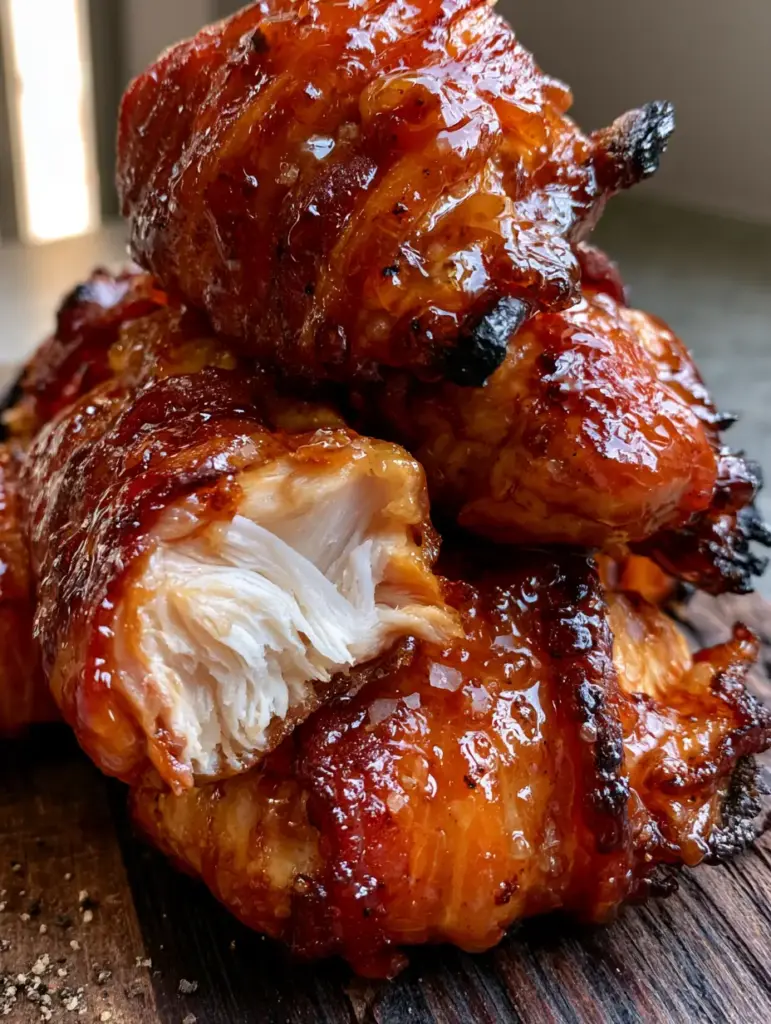
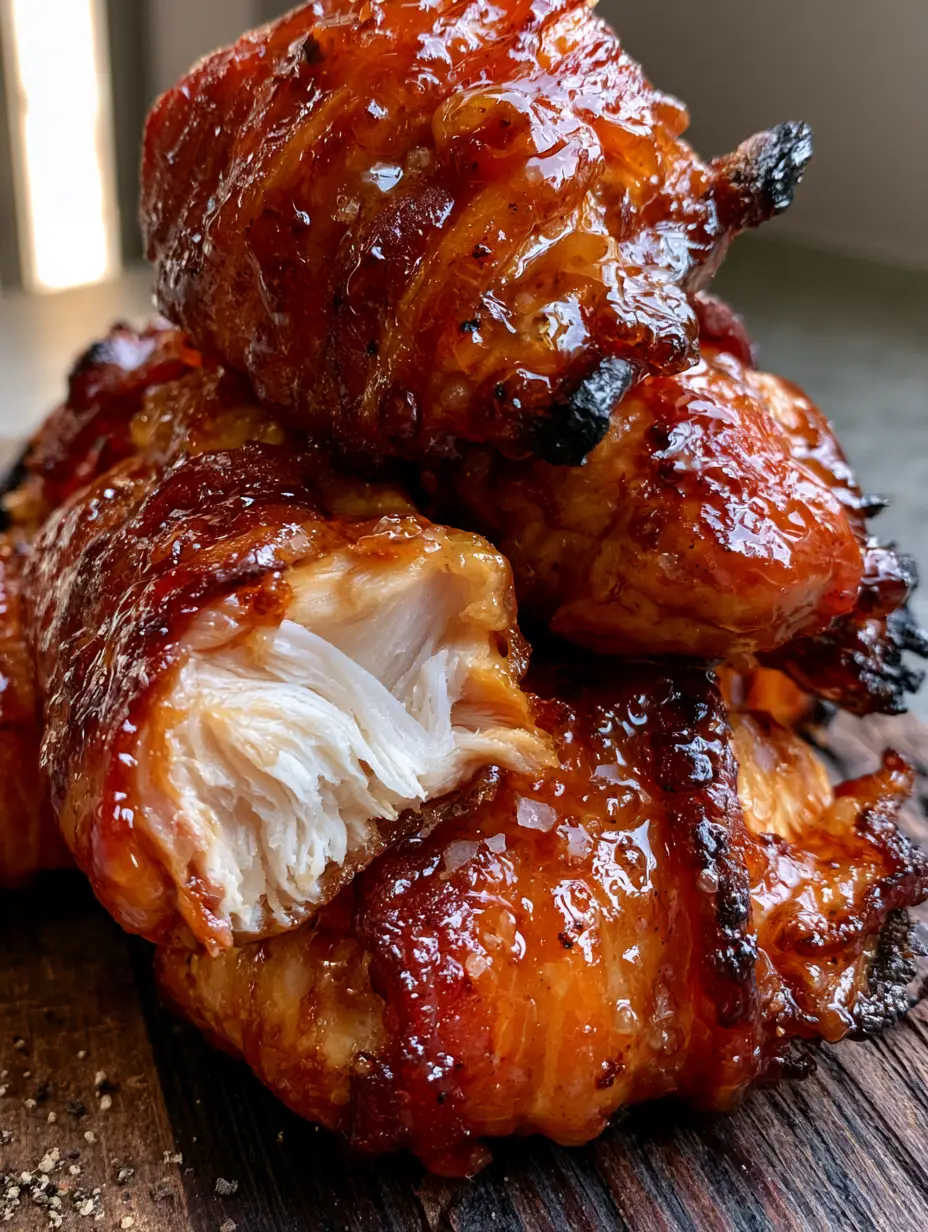
There is a specific kind of culinary magic that happens when the saltiness of cured pork meets the deep, molasses-rich sweetness of caramelized sugar. These bacon brown sugar chicken tenders represent the pinnacle of that flavor profile, delivering a multi-sensory experience that begins the moment you see the rising steam lifting off the rustic serving board. Imagine a stack of thick, premium chicken tenders, each one meticulously wrapped in a spiral of smoked bacon that has been rendered until the edges are beautifully charred and crisp.
The crowning glory of this dish is the thick, glistening amber brown sugar glaze that coats every crevice, bubbling away into a translucent crust that traps flakes of sea salt and granules of cracked black pepper. When you snap one of these tenders in half, you are greeted by the sight of steaming, juicy, white fibrous meat that contrasts perfectly with the shriveled, deeply browned bacon exterior. This isn’t just a meal; it’s a study in texture and balanced flavor that will keep your guests coming back for “just one more.”
The Science of Sweet and Salty: Why This Recipe Works
Achieving the perfect bacon brown sugar chicken tenders requires more than just wrapping and baking; it requires an understanding of the Maillard reaction and sugar caramelization. The smoked bacon provides the necessary fat to keep the lean chicken breast meat moist during the high-heat roasting process, while the brown sugar creates a protective, sticky barrier that locks in juices.
As the heat intensifies, the sugar transitions from a simple coating to a bubbling, translucent amber glaze. This glaze eventually hardens slightly at the edges, creating those sought-after charred bacon tips that provide a satisfying crunch against the tender interior. Unlike standard oven-baked chicken tenders, this version focuses on a complex interplay of smoke, sweetness, and spice.
- Shatteringly Crispy Edges: The spiral wrap technique ensures maximum surface area for the bacon to render and crisp.
- Visual Glisten: A specific ratio of brown sugar to rendered fat creates a translucent, “wet” look that persists even after cooling.
- Juicy Interior: The bacon acts as a thermal insulator, preventing the white meat from drying out.
- Textural Contrast: Coarse sea salt and cracked pepper provide a gritty, savory counterpoint to the smooth caramel.
Foundational Ingredients for the Ultimate Glaze
To recreate the visual and flavor profile described in our blueprint, every ingredient must serve a specific culinary purpose. We are building layers of flavor that start with the meat and end with the garnish.
1 lb (454g) Chicken Tenders: Select thick, high-quality white meat tenders for that classic fibrous texture visible when broken open. Ensure they are patted dry before starting to help the bacon adhere.
12-14 Slices (340g) Smoked Bacon: Thin to medium-cut bacon works best here as it spirals easily and crisps up faster than thick-cut varieties. The smoke adds a critical layer of depth to the bacon brown sugar chicken tenders.
1 cup (220g) Light Brown Sugar: This provides the base for our amber glaze, offering a mild molasses flavor that won’t overpower the chicken. It creates that glistening, bubbling appearance as it melts.
1 tsp (5g) Coarse Sea Salt: These large flakes stay suspended in the sticky glaze rather than dissolving, providing those visible white specs seen in the blueprint. They offer a concentrated burst of salinity to cut through the sugar.
1 tsp (2g) Cracked Black Pepper: Coarsely ground pepper adds heat and visual texture, standing out against the amber background of the caramelized sugar. It provides a rustic look on the final serving board.
1/2 tsp (1g) Garlic Powder: An “invisible” foundational ingredient that seasons the chicken meat itself, ensuring the flavor isn’t just on the outside. It adds a savory backbone to the entire dish.
1/4 tsp (0.5g) Cayenne Pepper: A tiny pinch provides a “back-of-the-throat” heat that balances the thick, sweet glaze. It helps to keep the flavor profile from becoming one-dimensional.
Essentials for Your Sweet and Smoky Kitchen
To achieve the charred bacon edges and the caramel crust, you need the right tools for heat distribution and airflow. Using a standard baking sheet alone may result in soggy bacon bottoms, which we want to avoid.
A heavy-duty rimmed baking sheet lined with parchment paper is your first line of defense against the sticky sugar cleanup. More importantly, a wire cooling rack placed inside the baking sheet allows hot air to circulate 360 degrees around the bacon brown sugar chicken tenders, ensuring the bacon shrivels and crisps on all sides.
You will also need a set of sturdy kitchen tongs for the wrapping process and a small bowl for the sugar dredging. A pastry brush can be helpful for patting down the glaze in the final minutes of cooking, though the dredging method usually provides the most consistent “crust” look.
Mastering the Spiral Bacon Wrap Technique
Step 1: Seasoning the Foundation
Start by drying your chicken tenders thoroughly with paper towels. Season them lightly with garlic powder and a touch of the cracked pepper; this ensures the meat inside is flavorful when you snap it open. Unlike a lemon chicken recipe (coming soon) which relies on bright acidity, here we are building deep, savory notes.
Step 2: The Perfect Spiral
Take one slice of smoked bacon and start at the thickest end of the chicken tender. Wrap the bacon in a tight, overlapping spiral toward the thinner end. This spiraling technique is crucial for the visual aesthetic, creating those “shriveled” ridges that hold onto the amber glaze.
Step 3: The Brown Sugar Dredge
Place your light brown sugar, cayenne, and remaining pepper in a shallow dish. Roll each bacon-wrapped tender in the sugar, pressing firmly so a thick layer adheres to the bacon. The sugar should look like small visible granules at this stage, which will later transform into the glistening bubbling glaze.
Step 4: The Strategic Roast
Place the tenders on the prepared wire rack. Bake at 400°F (200°C) for 20-25 minutes. During this time, the bacon fat will render and mix with the sugar, creating a self-basting mechanism that results in a thick, translucent amber coating.
Step 5: The Broil for Charred Edges
For the final 2-3 minutes, switch your oven to the broil setting. Watch closely as the sugar begins to bubble aggressively and the tips of the bacon turn a deep, charred brown. This step is what creates the “caramelized sugar crust” described in our visual blueprint.
Expert Tips for a Professional Finish
- Prevent Sugar Burn: If the sugar starts to smoke before the bacon is crisp, move the oven rack down one level. You want caramelization, not carbonization.
- The “Resting” Secret: Let the bacon brown sugar chicken tenders rest for 5 minutes on the rack after removing them from the oven. The glaze will thicken and “set,” creating that wet, glistening highlight seen in professional photography.
- Uniformity Matters: Try to use chicken tenders of similar size. If you have a very large tender, it may need an extra half-slice of bacon to ensure a complete spiral wrap.
- Salt Timing: Sprinkle the coarse sea salt flakes immediately after the tenders come out of the oven. The sticky glaze will act like glue, trapping the salt on the surface.
Perfect Pairings for a Balanced Meal
Since this dish is heavy on sweetness and smoke, you’ll want to pair it with sides that offer acidity or freshness. A crisp chicken pasta salad with a vinaigrette dressing can cut through the richness of the bacon fat beautifully.
If you’re serving these as a main course for dinner, consider a side of roasted vegetables or even a light rotisserie chicken salad to add variety to the spread. The sweetness of the chicken also pairs excellently with the bold spices found in cajun chicken pasta, creating a “sweet and heat” feast.
Storage, Reheating, and Make-Ahead Advice
While these are best served immediately to enjoy the rising steam and crispy tips, you can store leftovers in an airtight container for up to 3 days. To reheat, avoid the microwave as it will make the bacon rubbery and the sugar runny.
Instead, place the tenders back on a wire rack in a 350°F (175°C) oven for 8-10 minutes. This will re-crisp the bacon and bring back the glistening sheen of the amber glaze. Freezing is not recommended for this specific recipe, as the sugar crust can become grainy upon thawing.
Yes, dark brown sugar will provide a deeper molasses flavor and a slightly darker amber color. However, it can burn more easily due to the higher sugar content, so watch the broiler closely.
Absolutely! Cook them at 375°F (190°C) for about 12-15 minutes. Just be sure to line the bottom of the basket to catch the melting sugar, or it will create quite a mess.
The key is using a wire cooling rack set inside your baking sheet. This allows hot air to circulate under the chicken, rendering the bacon fat effectively and crisping the spiral wrap on all sides.
This usually happens if the chicken wasn’t patted dry or if you didn’t press the sugar firmly enough into the bacon. As the bacon renders, the fat should mix with the sugar to create a thick, sticky paste.
The Ultimate Bacon Brown Sugar Chicken Recipe
Bacon Brown Sugar Chicken Tenders: The Ultimate Sweet and Smoky Glazed Recipe
Ingredients
Equipment
Method
- Preheat oven to 400°F (200°C). Line a baking sheet with parchment paper and place a wire rack on top.
- Pat chicken dry and season with garlic powder and half of the black pepper.
- Wrap each chicken tender in a spiral of smoked bacon, securing the ends tucked under the meat.
- Mix brown sugar, cayenne, and remaining pepper. Roll each wrapped tender in the sugar mixture, pressing to coat.
- Place tenders on the rack and bake for 20 minutes until the glaze is bubbling and amber.
- Switch to broil for 2-3 minutes until bacon edges are charred and sugar forms a crust. Sprinkle with sea salt.
Notes
Use a wire rack to ensure the bacon crisps on all sides.
Conclusion: The Best of Both Worlds
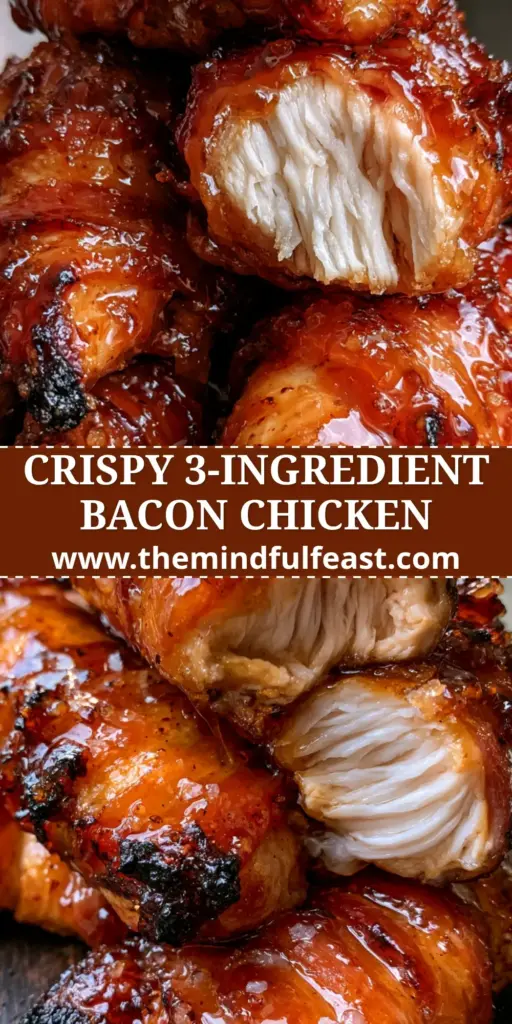
Making bacon brown sugar chicken tenders is a guaranteed way to elevate a humble weeknight staple into a gourmet experience. The combination of the fibrous white meat, the shriveled smoked bacon, and that thick, bubbling amber glaze creates a dish that is as visually stunning as it is delicious. Whether you are hosting a rustic dinner party or just craving something sweet and savory, this recipe delivers on every promise.
If you loved this recipe, please leave a comment below and let us know how your glaze turned out! Don’t forget to share your creations with us on Pinterest and follow for more sweet and smoky inspiration.