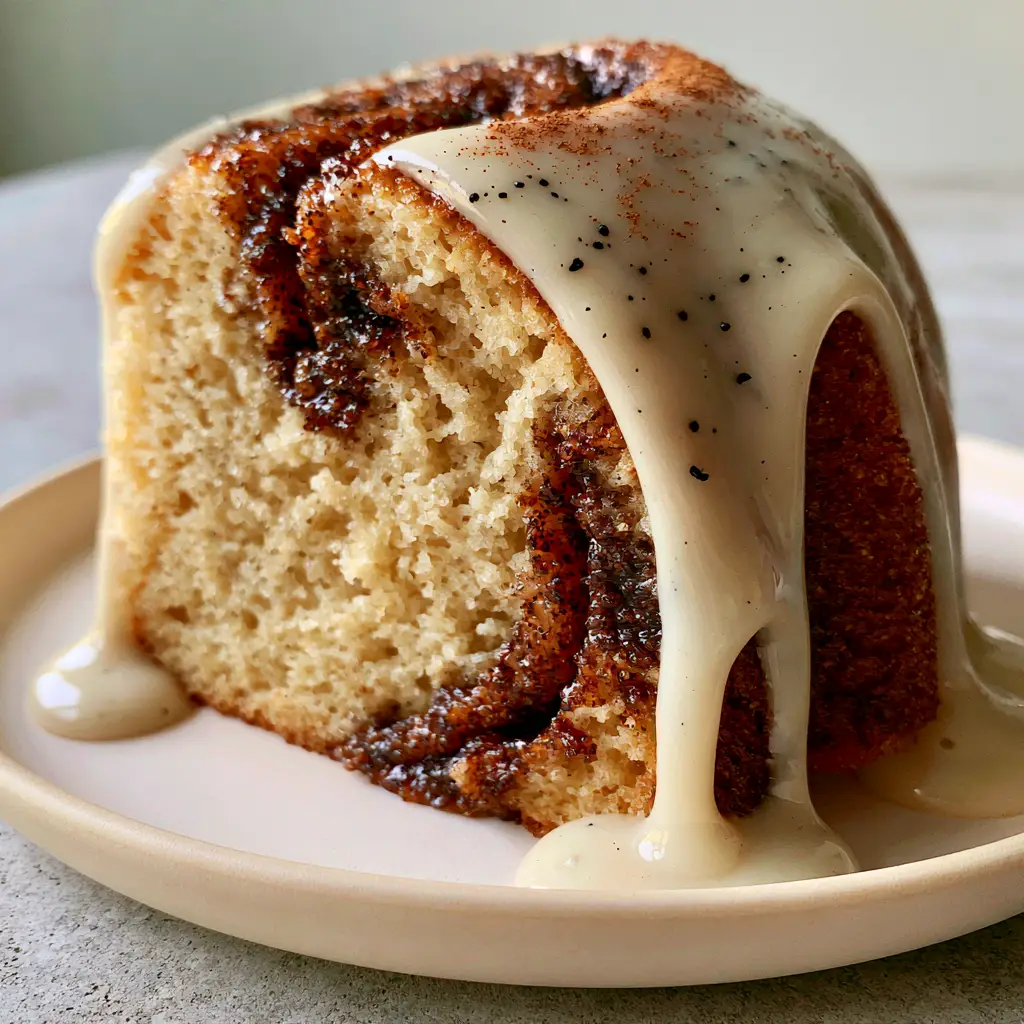
The aroma of a cinnamon roll cake drifting through a quiet kitchen is one of life’s most profound sensory pleasures. Imagine a crumb so tender and aerated it practically melts on the tongue, paired with deep, dark rivers of caramelized cinnamon sugar.
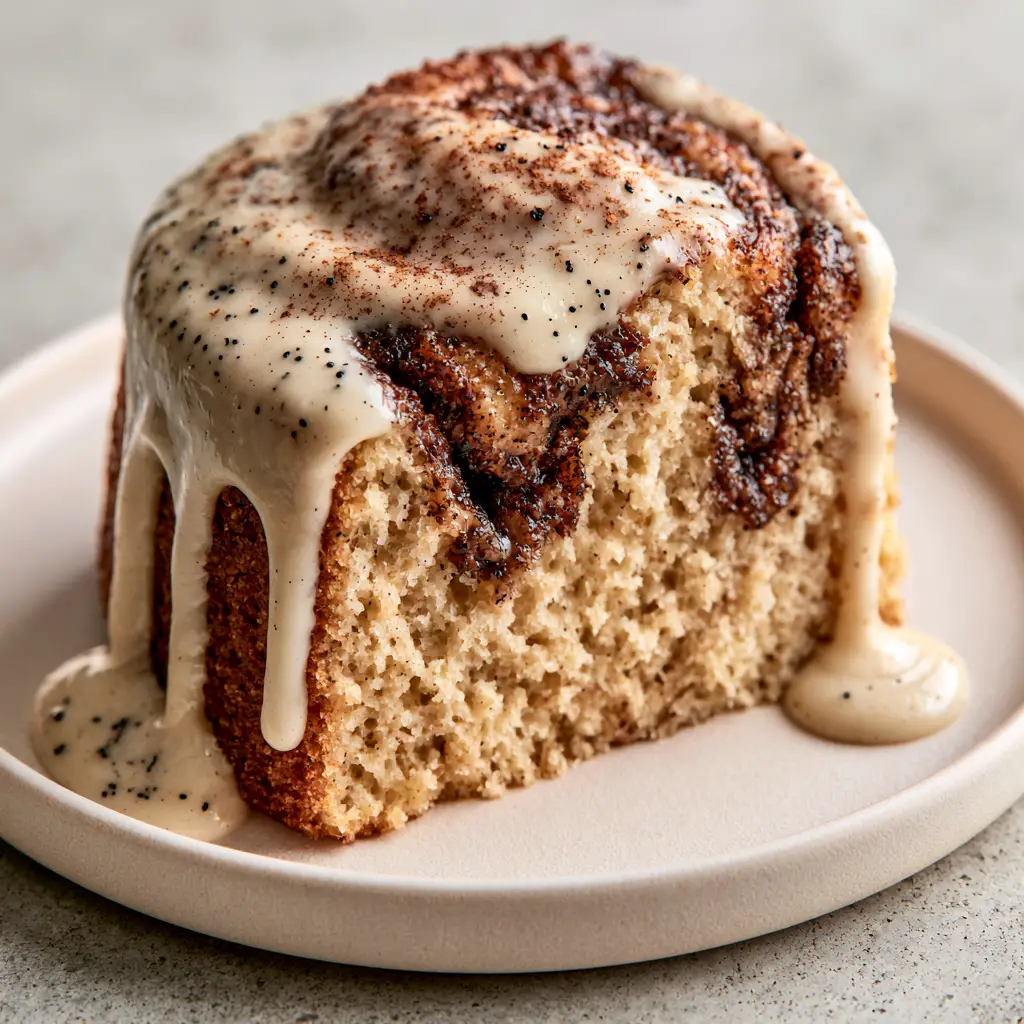
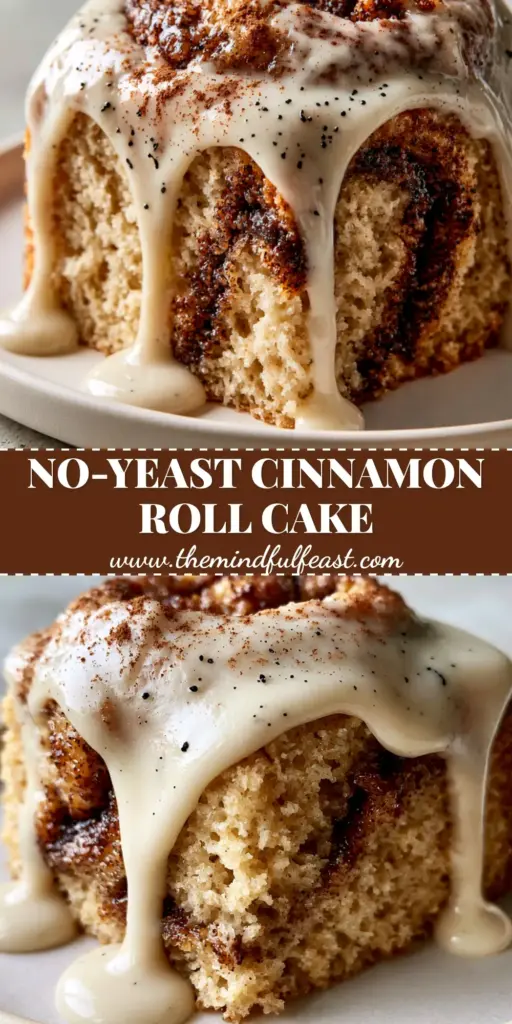
This isn’t just another coffee cake; it is a meticulously engineered masterpiece designed to replicate the gooey center of a cinnamon roll in every single bite. The visual appeal is undeniable, featuring a warm ivory-white glaze that cascades in slow-moving, glossy drips over a golden-brown crumb.
Whether you are serving this for a festive holiday brunch or a cozy weekend treat, the sight of those tiny black vanilla bean seeds speckled throughout the glaze promises a level of sophistication rarely found in home baking. Let’s dive into the culinary science of the perfect swirl.
Why This Cinnamon Roll Cake Recipe Outshines Traditional Rolls
- No-Yeast Architecture: Achieve the iconic flavor profile of a classic roll without the hours of proofing, kneading, or waiting for dough to rise.
- Caramelized Ribbon Technology: By balancing the moisture content of the cinnamon swirl, we ensure it melts into the crumb rather than sitting on top as a dry crust.
- Superior Glaze Viscosity: This recipe uses a specific ratio of cream cheese to heavy cream to create those “slow-moving drips” that pool perfectly on a minimal ceramic plate.
- Textural Contrast: The exterior of the cake develops a subtle golden-brown crust that protects the incredibly moist and aerated interior.
Essential Components for a Moist and Aerated Crumb
All-Purpose Flour (450g / 3.75 cups): This provides the structural framework of our cake, offering enough protein to hold the heavy cinnamon swirl without collapsing.
Granulated Sugar (300g / 1.5 cups): Beyond sweetness, sugar is a humectant that attracts moisture, ensuring your cinnamon roll cake stays tender for days.
Full-Fat Buttermilk (360ml / 1.5 cups): The acidity in buttermilk reacts with our leavening agents to create an incredibly soft, aerated texture similar to a high-end funfetti loaf cake.
Unsalted Butter (115g / 0.5 cup): We use melted butter for flavor and a “tight” crumb that mimics the richness of brioche dough.
Neutral Vegetable Oil (60ml / 0.25 cup): While butter provides flavor, oil remains liquid at room temperature, which is the secret to a cake that feels “moist” even after cooling.
Large Eggs (2 units): These provide emulsification, binding the fats and liquids together for a cohesive, professional-grade batter.
Baking Powder (15g / 1 tbsp) & Baking Soda (2.5g / 0.5 tsp): This dual-leavening approach ensures a high rise and a light, airy crumb that contrasts beautifully with the dense cinnamon swirls.
The Secrets to a Deep Caramelized Cinnamon Swirl
Dark Brown Sugar (200g / 1 cup): The high molasses content in dark brown sugar is vital for achieving that deep, caramelized color seen in our visual blueprint.
Ground Cinnamon (15g / 2 tbsp): High-quality Vietnamese or Ceylon cinnamon provides a pungent, spicy-sweet aroma that permeates the entire house.
Melted Butter (115g / 0.5 cup): This acts as the vehicle for the sugar and spice, allowing the mixture to “bleed” into the cake batter during the baking process.
Engineering the Glossy Vanilla Bean Cream Cheese Glaze
Softened Cream Cheese (115g / 4 oz): This provides the tangy counterpoint to the sweet cake and creates the thick, “warm ivory-white” base of the glaze.
Powdered Sugar (240g / 2 cups): Sifted sugar ensures a perfectly smooth, glossy finish without any unsightly grit or lumps.
Vanilla Bean Paste (10ml / 2 tsp): Using paste instead of extract is non-negotiable for achieving those visible tiny black vanilla bean seeds that signify luxury.
Heavy Cream (45ml / 3 tbsp): This is added one tablespoon at a time to reach the precise “dripping” consistency required for the visual result.
Fine Ground Cinnamon: A micro-dusting over the finished glaze adds a final layer of visual texture and a hint of raw spice aroma.
The Tools Required for Culinary Precision
To achieve the professional look of the cinnamon roll cake, you will need a 9×13 inch (23×33 cm) baking pan, preferably a light-colored metal one to prevent the edges from over-browning. A stand mixer or electric hand mixer is essential for aerating the butter and sugar correctly.
A long wooden skewer or a butter knife is the best tool for creating the caramelized swirls. Unlike a spatula, a thin skewer allows you to marble the cinnamon sugar deep into the interior of the cake without over-mixing the delicate batter.
Step-by-Step Construction of the Cinnamon Roll Cake
1. Preparing the Foundations
Preheat your oven to 350°F (175°C). Grease your baking pan with butter and line the bottom with parchment paper for easy removal. In a medium bowl, whisk together the flour, baking powder, baking soda, and salt until perfectly combined.
2. Creaming for Aeration
In your stand mixer, beat the melted butter, oil, and granulated sugar on medium-high speed for 3 minutes. You are looking for a pale, slightly fluffy texture—this aeration is what creates the “soft golden-brown crumb” mentioned in the prompt.
3. Incorporating the Liquids
Add the eggs one at a time, beating well after each addition. Mix in the buttermilk and vanilla. The batter may look slightly curdled at this stage due to the acidity of the buttermilk, but it will smooth out once the dry ingredients are introduced.
4. Folding the Batter
Gently fold the dry ingredients into the wet mixture using a large spatula. Stop the moment no streaks of flour remain. Over-mixing at this stage will develop too much gluten, resulting in a tough cake rather than the tender, aerated slice we desire.
5. Crafting the Cinnamon Swirl
Pour the cake batter into the prepared pan and smooth the top. In a separate bowl, stir together the dark brown sugar, cinnamon, and melted butter. Drop large spoonfuls of this mixture over the cake batter.
6. The Forensic Swirl Technique
Use your skewer to swirl the cinnamon mixture into the batter. Use a “figure-eight” motion, ensuring you reach the bottom of the pan. This creates those deep, caramelized swirls of dark brown cinnamon-sugar that melt throughout the interior.
7. Baking for Visual Perfection
Bake for 35-40 minutes. Look for the “visual cue” of the edges pulling slightly away from the pan and a toothpick coming out with just a few moist crumbs. The surface should be a warm, golden-brown.
Expert Tips for the Ultimate Cake Texture
- Room Temperature Ingredients: Ensure your eggs and buttermilk are not cold. Room temperature ingredients emulsify better, creating a more uniform and stable crumb structure.
- The Sift Factor: Always sift your powdered sugar for the glaze. Even small lumps will break the “glossy, slow-moving” visual effect of the ivory-white cascade.
- Don’t Over-Swirl: If you swirl the cinnamon mixture too much, it will blend into the batter completely, and you will lose the distinct “marbled” look. Three or four passes with the skewer are usually enough.
- Glazing Temperature: Apply the glaze while the cake is still slightly warm (but not hot). This allows the glaze to set with those iconic drips without melting into a transparent puddle.
Maximizing Your Culinary Experience: What to Serve
To truly highlight the rich flavors of this cinnamon roll cake, serve it on a minimal matte cream-colored ceramic plate. The neutral background allows the glossy glaze and dark swirls to take center stage. For a complete brunch spread, consider pairing it with a protein-forward dish like beef and hashbrown casserole or a lighter tuna salad for a balanced midday meal.
If you are serving this as a dessert, a sparkling honey lemon butterfly fizz provides a refreshing citrus acidity that cuts through the richness of the cream cheese glaze.
Proper Storage and Reheating Protocols
Room Temperature: Due to the cream cheese glaze, this cake should only sit at room temperature for up to 4 hours. Keep it covered with a cake dome to prevent the aerated crumb from drying out.
Refrigeration: Store leftovers in an airtight container in the fridge for up to 5 days. The texture will firm up when cold, so always reheat before serving.
The “Warm Slice” Reheating Method: To recreate the “warm slice” from our photography prompt, microwave an individual piece for 15-20 seconds. This softens the fats and makes the glaze glossy and slow-moving again.
Frequently Asked Questions
Yes, you can bake the cake a day in advance. Store it tightly covered at room temperature. However, for the best visual ‘drip,’ add the glaze just before serving after slightly warming the cake.
In a pinch, you can use 360ml of whole milk mixed with 1 tablespoon of lemon juice or white vinegar. Let it sit for 5 minutes before using to mimic the acidity of buttermilk.
The unglazed cake freezes beautifully for up to 3 months. Wrap it tightly in plastic wrap and foil. Thaw at room temperature and apply fresh glaze for the best results.
The secret is using full-fat cream cheese and heavy cream instead of milk. The higher fat content creates a stable, glossy emulsion that doesn’t become transparent or runny.
If the swirl sinks to the bottom, the batter may have been too thin or the swirl mixture too heavy. Ensure you use the exact ratio of butter to sugar and avoid over-mixing the batter.
The Definitive Cinnamon Roll Cake Recipe
Cinnamon Roll Cake with Thick Vanilla Bean Cream Cheese Glaze
Ingredients
Equipment
Method
- In a stand mixer, beat the melted butter, oil, and granulated sugar for 3 minutes until pale and aerated.
- Add eggs, buttermilk, and vanilla. Gently fold in the sifted dry ingredients until just combined.
- Stir together dark brown sugar, cinnamon, and melted butter in a small bowl.
- Drop spoonfuls of the cinnamon mixture onto the batter and swirl with a skewer in a figure-eight pattern.
- Bake at 350°F (175°C) for 35-40 minutes until golden-brown. Cool slightly.
- Whisk glaze ingredients until glossy. Pour over warm cake, allowing it to drip down the sides. Dust with extra cinnamon.
Notes
Apply glaze while the cake is slightly warm to achieve the perfect drip consistency.
Closing & Call to Action
This cinnamon roll cake is a testament to how simple ingredients, when treated with scientific precision, can transform into a luxury culinary experience. From the moist, aerated crumb to the vanilla bean-speckled glaze, every element is designed to delight the senses and provide the ultimate comfort food experience.
Did you achieve those perfect slow-moving drips? We want to see your results! Leave a comment below with your experience or any questions you have. If you loved this recipe, please share it and follow our journey for more authentic flavors on Pinterest.