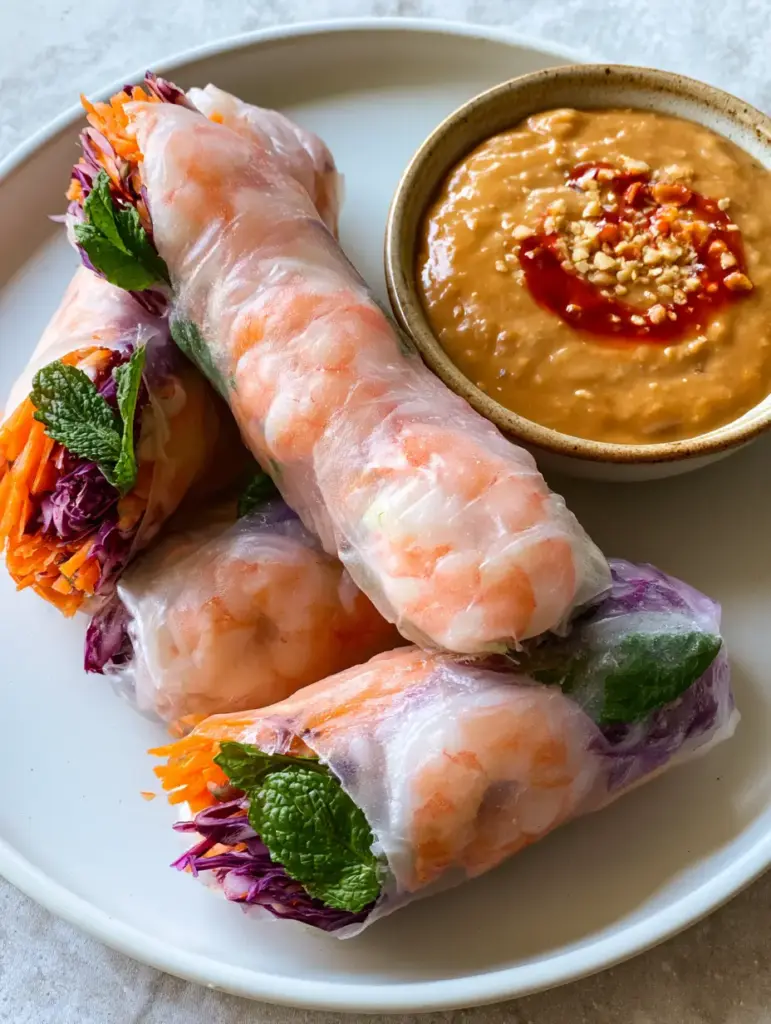
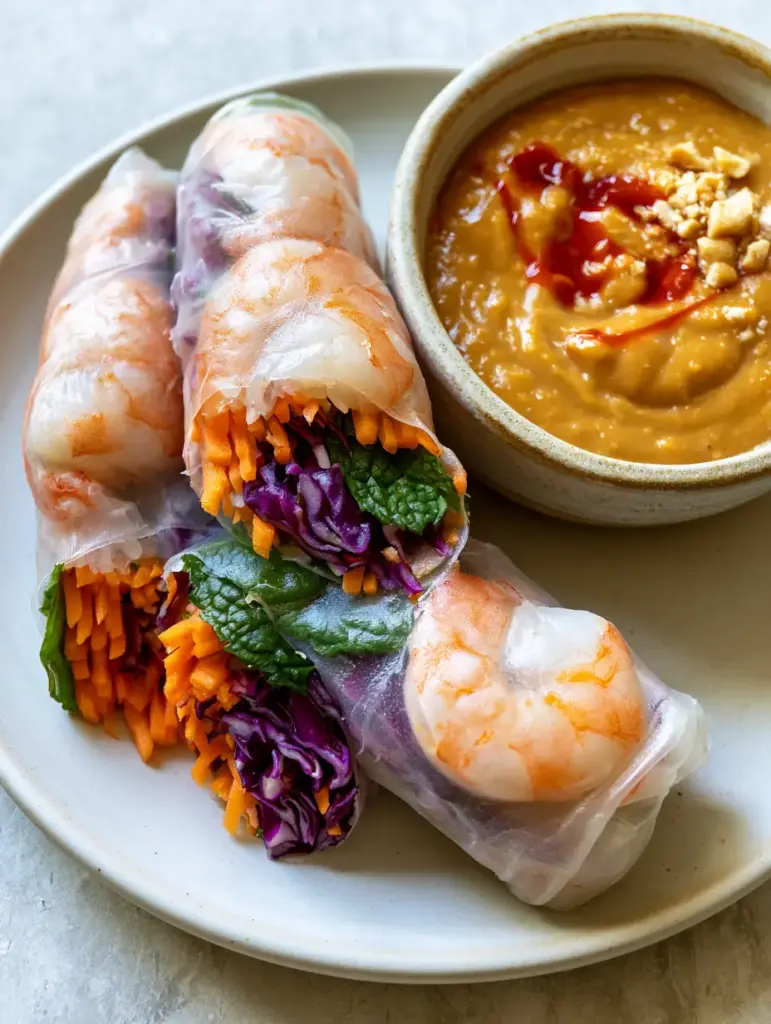
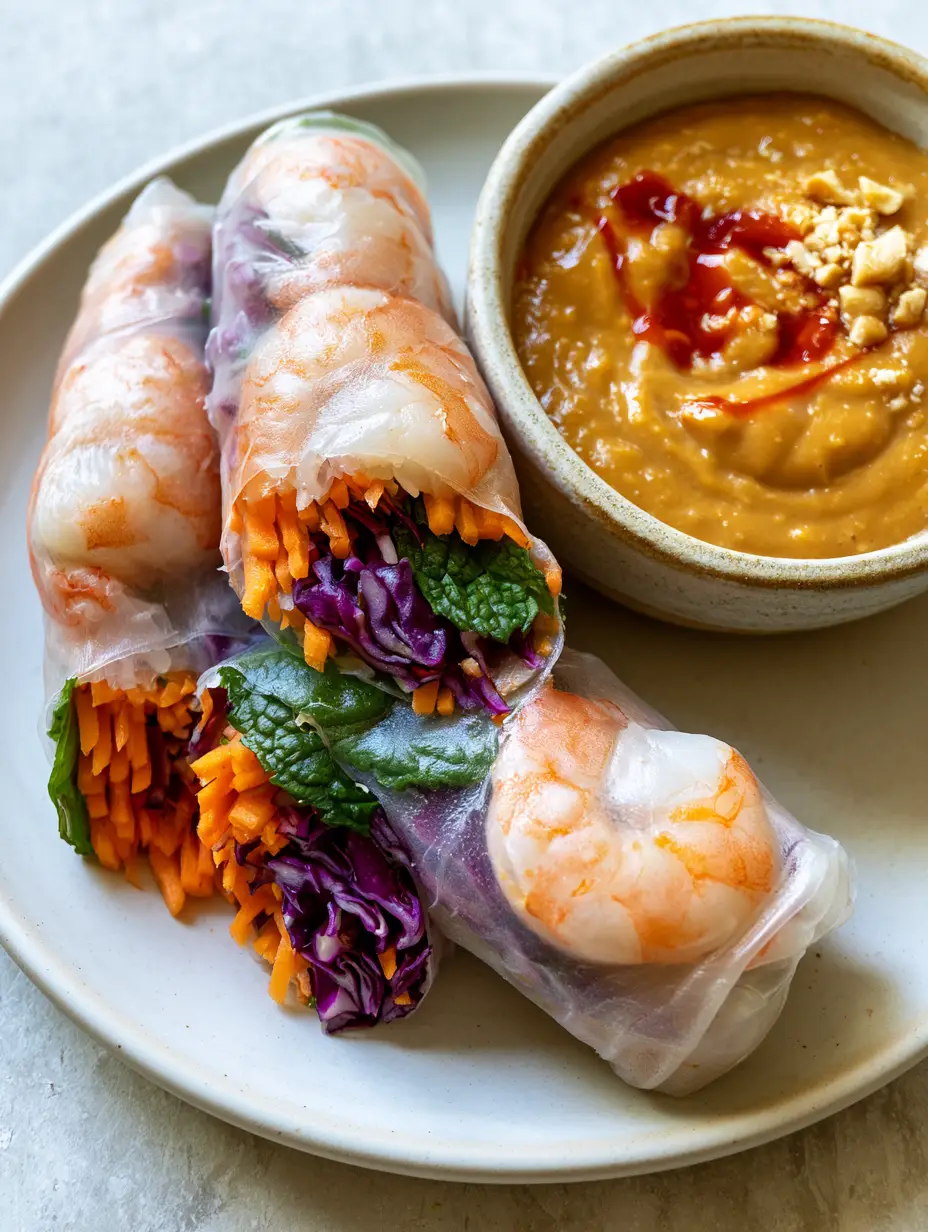
There is something inherently therapeutic about crafting the perfect Vietnamese Rice Paper Rolls Recipe. Known locally as Gỏi cuốn, these rolls are a masterclass in texture, balance, and visual artistry. When you look at a perfectly constructed roll, you aren’t just looking at a meal; you are seeing a vibrant mosaic of fresh ingredients encased in a flawlessly smooth, crystal-clear membrane.
The beauty of this dish lies in its transparency. From the bright orange julienned carrots to the deep emerald green of the fresh mint leaves, every layer is visible and intentional. In this guide, we will walk you through the professional techniques required to achieve that “plump” look found in high-end Vietnamese eateries, ensuring your rolls are as structurally sound as they are beautiful.
Whether you are hosting a summer garden party or seeking a light, nutrient-dense lunch, mastering the Vietnamese Rice Paper Rolls Recipe is a culinary milestone. We will delve into the science of hydrating rice paper, the secret to perfectly pink poached shrimp, and how to create a peanut sauce so creamy it anchors the entire experience with a luxurious mouthfeel.
Why This Fresh Vietnamese Rice Paper Rolls Recipe Works
- Visual Transparency: By using high-quality rice paper and specific layering techniques, we achieve a window-pane effect that showcases the vibrant colors of the shrimp and vegetables.
- Textural Contrast: This recipe balances the soft, “bouncy” texture of rice vermicelli with the sharp, clean crunch of julienned raw carrots and shredded purple cabbage.
- Aromatic Depth: Whole mint leaves provide a refreshing herbal top note that cuts through the richness of our signature creamy peanut dipping sauce.
- Perfectly Balanced Sauce: Our dipping sauce isn’t just peanut butter; it’s a sophisticated blend of savory, sweet, and heat, finished with a red chili oil swirl for a professional aesthetic.
The Anatomy of a Perfect Summer Roll: Essential Ingredients
Large Shrimp (21/25 count): We use fresh, tail-on shrimp that are poached until just opaque and pink. Halving them lengthwise is the secret to getting them to lay flat against the rice paper for that iconic look.
Rice Paper Wrappers (Bánh Tráng): Look for wrappers with a high rice-to-tapioca ratio. This ensures they remain “crystal clear” and “flawlessly smooth” rather than becoming overly gummy or opaque.
Thin White Rice Vermicelli: These noodles provide the structural “plumpness” inside the roll. They should be cooked al dente to maintain a slight bite against the softer ingredients.
Julienned Raw Carrots: Aim for pieces that are 3 inches (7.5cm) long and very thin. This ensures they provide a “bright orange” pop of color without puncturing the delicate rice paper.
Shredded Purple Cabbage: This ingredient provides the “deep purple” visual anchor. It’s also high in anthocyanins, adding a boost of antioxidants to your Vietnamese Rice Paper Rolls Recipe.
Fresh Whole Mint Leaves: Do not chop these. Placing whole emerald green leaves directly against the paper creates a stunning botanical aesthetic and bursts of flavor.
Crisp Green Butter Lettuce: Butter lettuce is superior to Iceberg here because its leaves are pliable and “flawless,” acting as a soft cradle for the noodles and vegetables.
Creamy Tan Peanut Sauce: A base of smooth peanut butter, hoisin, and lime juice creates a golden-brown dipping medium. If you enjoy this flavor profile, you might also love the nutty notes in our creamy coconut chicken.
Crushed Roasted Peanuts and Red Chili Oil: These are the “finishing touches.” The peanuts add a necessary earthy crunch, while the chili oil swirl adds a “hyper-realistic” restaurant-quality finish to the bowl.
Tools for Professional Roll Construction
To achieve the “extreme macro close-up” quality seen in professional food photography, you need the right setup. A large, shallow bowl or a specialized rice paper water dipper is essential for even hydration. You will also need a very sharp mandoline or chef’s knife to achieve the precision julienne required for the carrots and cabbage.
A clean, damp wooden cutting board or a plastic lint-free mat is the best surface for rolling. Avoid paper towels or dry cloth, as the translucent hydrated rice paper will stick and tear instantly. Finally, a small stoneware bowl for the sauce will help maintain the “neutral light grey stone” aesthetic typical of modern culinary presentation.
Step-by-Step Mastery: How to Build the Rolls
1. Preparing the Vibrant Interior Layers
Start by poaching your 1 lb (450g) of shrimp in lightly salted water with a slice of ginger. Cook for only 2-3 minutes until they turn a “perfectly pink” hue; overcooking leads to a rubbery texture. Once cooled, peel, devein, and slice each shrimp in half lengthwise. This reveals the white interior and keeps the pink exterior visible through the paper.
Cook the 4 oz (115g) of rice vermicelli according to package instructions, usually about 3 minutes in boiling water. Immediately plunge them into an ice bath. This stops the cooking process and ensures the noodles remain “thin and white” rather than clumping into a starchy mass.
2. The Art of Rice Paper Hydration
Fill a shallow dish with lukewarm water (roughly 90°F / 32°C). Do not use boiling water, as it will make the paper too soft to handle. Submerge one rice paper sheet for exactly 5-8 seconds. It should still feel slightly firm when you take it out; it will continue to soften as it sits on your work surface.
Lay the paper flat on your damp surface. Smooth out any wrinkles immediately to ensure it looks “flawlessly smooth” and “crystal clear.” Any bubbles trapped now will remain in the final product, marring the macro visual quality.
3. Layering for Visual Impact
In the lower third of the circle, lay down two or three halves of the pink shrimp, skin-side down. Above the shrimp, place two whole emerald green mint leaves. This placement ensures that when the roll is finished, the most beautiful ingredients are on the “outside” layer of the translucent paper.
On top of the mint, place a small bundle of the rice vermicelli, followed by a pinch of julienned carrots, shredded purple cabbage, and a leaf of butter lettuce. If you’re a fan of shrimp-based meals, you might find this lighter prep a refreshing change from a hearty teriyaki shrimp bowl.
4. Executing the Professional Fold
Fold the bottom edge of the paper up over the filling, pulling it slightly toward you to create a “plump” and tight cylinder. Fold in the left and right sides toward the center. Continue rolling upward tightly until the seam seals itself against the moist paper. The result should be a firm, smooth roll where the orange, purple, and green colors shine through the clear skin.
Expert Tips for Success
- The “Goldilocks” Water Temp: If your paper is tearing, your water is too hot. If it’s too crunchy after a minute, your water is too cold. Aim for “bath water” temperature.
- Avoid Overfilling: It is tempting to pack the rolls, but the “macro close-up” look requires a tight, sleek shape. Less is more when it comes to the vermicelli.
- The “Skin-Down” Rule: Always place your “showstopper” ingredients (shrimp and mint) face down on the paper first. They will end up on the top of the roll.
- Keep them Separated: Freshly made rolls are very sticky. Ensure they do not touch each other on the plate, or the translucent paper will tear when you try to pick them up.
Storage, Reheating & Freezing
The Vietnamese Rice Paper Rolls Recipe is best enjoyed immediately. The rice paper begins to dry out and toughen within a few hours. If you must store them, wrap each roll individually in plastic wrap to maintain moisture and prevent sticking. They will last about 24 hours in the refrigerator.
Do not freeze these rolls. The high water content in the vegetables and the delicate structure of the rice paper will turn into a mushy, opaque mess upon thawing. If you have leftover shrimp, consider using them in a quick shrimp fried rice the next day instead.
What to Serve With This Dish
These rolls are inherently light, making them the perfect appetizer for a larger Asian-inspired feast. They pair beautifully with a bright mango salad or a hot bowl of Pho. If you want to keep the “fresh” theme going for your meal prep, try starting your day with some creamy avocado toast before enjoying these rolls for lunch.
For the dipping sauce, ensure the “red chili oil swirl” is added just before serving. This prevents the oil from bleeding into the tan peanut sauce, maintaining the distinct, sharp visual contrast required for a high-end presentation.
Frequently Asked Questions
They are best served immediately. However, you can make them up to 2 hours ahead if you wrap them individually in plastic wrap and keep them at room temperature in a cool spot.
Yes! Tofu, sliced pork belly, or even shredded chicken work well. Just ensure the protein is sliced thinly so the roll remains plump and easy to seal.
Ensure the rolls are not touching each other on the serving platter. You can also place a small piece of lettuce or a damp herb leaf between them to act as a barrier.
Always slice the poached shrimp in half lengthwise. Place them skin-side down (the pink side) directly against the rice paper as your first layer. This ensures they are perfectly visible through the translucent wrapper.
The most common reason is over-soaking the paper or using water that is too hot. Submerge the wrapper for only 5-8 seconds in lukewarm water; it should still feel slightly firm as you move it to your rolling surface.
The Final Vietnamese Rice Paper Rolls Recipe Card
Vietnamese Rice Paper Rolls Recipe: The Ultimate Guide to Crystal-Clear Summer Rolls
Ingredients
Equipment
Method
- Poach shrimp in boiling salted water for 2-3 minutes until pink. Shock in ice water, peel, and slice in half lengthwise.
- Boil rice vermicelli for 3 minutes, drain, and rinse with cold water to prevent sticking.
- Dip rice paper in lukewarm water for 5-8 seconds. Lay flat on a damp board.
- Place 3 shrimp halves (pink side down) and mint leaves on the paper. Top with lettuce, noodles, carrots, and cabbage.
- Fold bottom over filling, tuck in sides, and roll tightly into a cylinder.
- Whisk peanut butter, hoisin, and lime juice. Top with chili oil swirl and crushed peanuts.
Notes
Use lukewarm water—hot water makes the wrappers too fragile to handle.
Mastering the Freshness: Closing & Call to Action
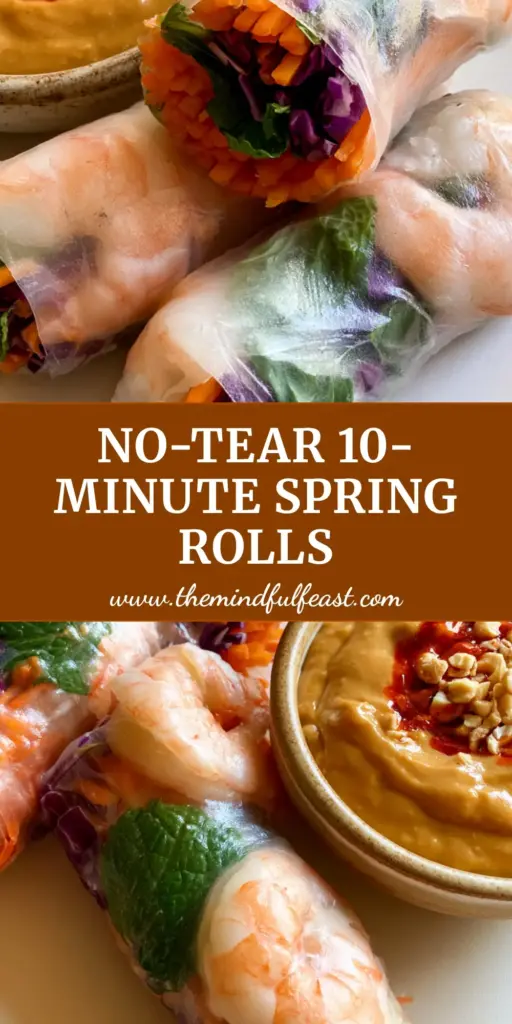
Mastering this Vietnamese Rice Paper Rolls Recipe is a journey into the heart of fresh, vibrant cooking. The combination of the “crystal clear” wrapper and the “plump” shrimp creates a dining experience that satisfies all the senses. From the first crunch of the carrot to the final dip in the “creamy tan” sauce, it is a dish that defines clean eating.
If you enjoyed this recipe, please leave a comment below and let us know how your rolls turned out! Don’t forget to follow us and share your creations on Pinterest so we can see your beautiful, translucent results. Happy rolling!