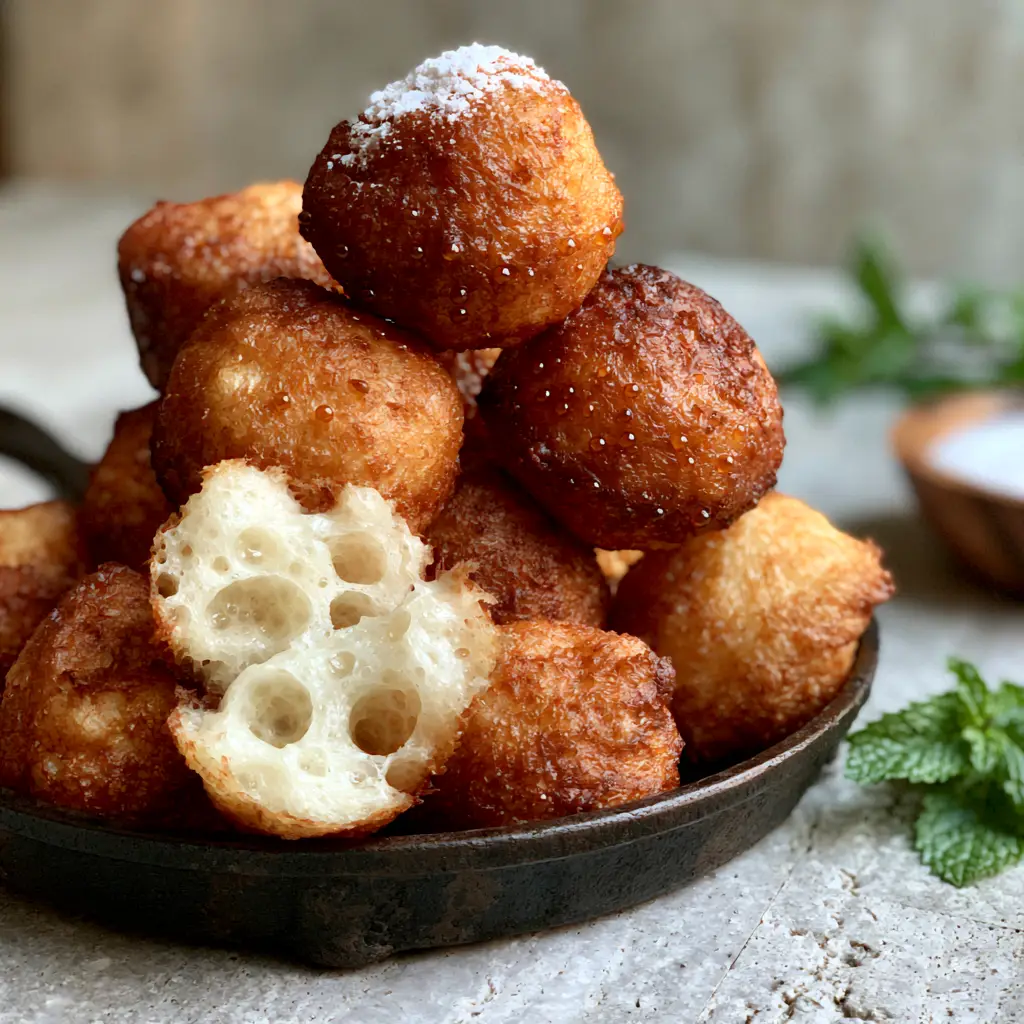
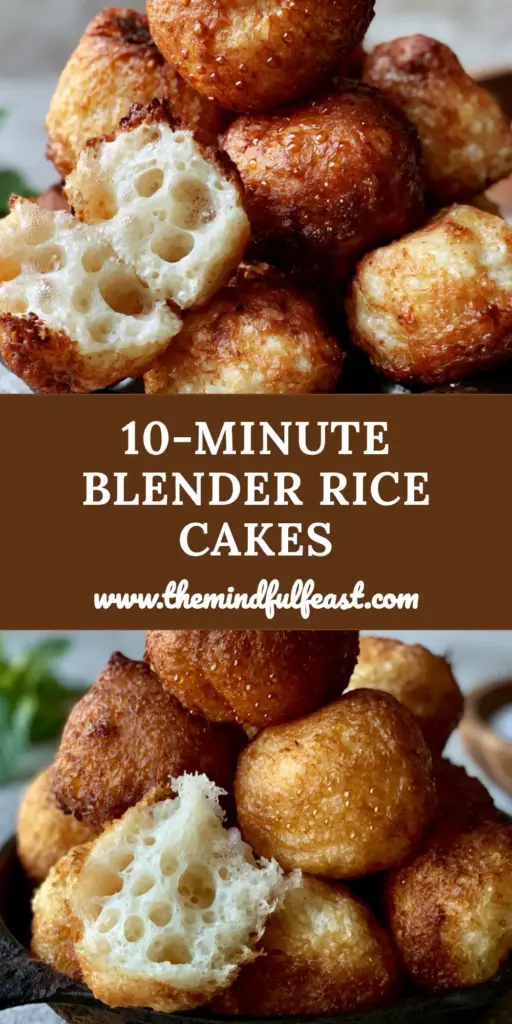
Vitumbua is the crown jewel of East African street food, a breakfast delicacy that marries the tropical richness of coconut with the delicate crunch of a perfectly fried crust. If you have ever wandered through a market in Tanzania or Kenya, the irresistible aroma of sweet cardamom and toasted coconut wafting from a blackened cast iron pan is unmistakable. These spherical rice cakes are more than just a snack; they are a sensory experience, characterized by their deep golden-brown exterior and a stark white, steaming, airy honeycomb interior.
Achieving the perfect Vitumbua requires a blend of patience and precision, particularly when it comes to the fermentation process that creates those iconic “honeycomb” bubbles. In this guide, we will walk through every nuance of the process, from soaking the grains to the final dusting of powdered sugar. Whether you are looking for a gluten-free breakfast alternative or a unique dessert to impress guests, these coconut rice cakes deliver a handheld aesthetic that looks as good as it tastes.
The Visual Allure: What Makes a Perfect Vitumbua?
- The Golden Shell: A deep golden-brown, perfectly spherical, crispy fried exterior with a tiny visible oil glisten that promises a satisfying crunch.
- The Honeycomb Crumb: A torn cake reveals a stark white interior, filled with distinct fermentation bubbles that make the texture light and pillowy.
- Tropical Aromatics: The scent of warm cardamom and sweet coconut cream rising in steam vapors as you pull them fresh from the pan.
- The Finishing Touch: A fine dusting of powdered sugar and a sprig of fresh mint to balance the rich, fried notes of the rice batter.
The Essential Pantry Staples for Authentic East African Vitumbua
To achieve the specific “Visual Recipe Blueprint” results, we must select ingredients that contribute to both the structural integrity and the stark white interior of the cake. Do not skip the soaking process, as this is the secret to a smooth, grit-free batter.
Short-Grain White Rice: You will need 2 cups (400g) of white rice. Short-grain or aromatic Basmati works best because of its starch content, which helps create that “shattered glass” crispy crust while keeping the inside soft.
Full-Fat Coconut Milk: 1 cup (240ml) of high-quality coconut milk provides the fat and moisture. This is what gives the Vitumbua its rich, tropical flavor profile and creamy mouthfeel.
Granulated Sugar: 3/4 cup (150g) of sugar is necessary not just for sweetness, but to facilitate the browning (Maillard reaction) that results in that deep golden-brown crust.
Instant Yeast: 1.5 tsp (5g) of instant yeast is the engine of the recipe. It creates the fermentation bubbles that result in the airy honeycomb interior described in our visual prompt.
Ground Cardamom: 1 tsp (2g) of freshly ground cardamom provides the signature scent. If you want a more breakfast-forward flavor, you might enjoy this alongside a fluffy pancake recipe spread.
Fine Sea Salt: 1/2 tsp (3g) of salt is the foundational “invisible” ingredient that balances the sweetness and enhances the coconut notes.
Vegetable Oil: Approximately 1/2 cup (120ml) for frying. You need an oil with a high smoke point to achieve the oil glisten without burning the cakes.
Garnish Ingredients: Fine powdered sugar for dusting, a dollop of thick coconut cream, and a few fresh mint leaves for that final, high-resolution aesthetic.
Must-Have Equipment for Spherical Perfection
You cannot achieve the iconic Vitumbua shape without a specific type of pan. Traditionally, a heavy black cast iron pan with spherical indentations is used. In Western kitchens, this is often sold as an Aebelskiver pan or a Takoyaki pan.
The cast iron is critical because it retains heat evenly, ensuring that the bottom of the cake sears into a crispy shell while the yeast-leavened center has time to rise and steam. A high-speed blender is also essential to process the soaked rice into a completely smooth, pourable batter.
Step-by-Step Mastery: How to Achieve the Perfect Honeycomb Crumb
Phase 1: The Critical Rice Soak
Start by rinsing your 2 cups (400g) of rice under cold water until the water runs clear. Submerge the rice in a bowl of water and let it soak for at least 8 hours, or ideally overnight. This softens the grain’s outer hull, ensuring that when you blend it, you don’t end up with a grainy texture that ruins the white honeycomb look.
Phase 2: Blending the Master Batter
Drain the rice thoroughly and add it to your blender. Pour in 1 cup (240ml) of coconut milk, 3/4 cup (150g) of sugar, 1.5 tsp (5g) of yeast, 1 tsp (2g) of cardamom, and 1/2 tsp (3g) of salt. Blend on high for 2-3 minutes. Stop and feel the batter between your fingers; it should be as smooth as heavy cream with no visible grits.
Phase 3: The Fermentation Window
Pour the batter into a large glass bowl and cover it with a damp cloth. Place it in a warm, draft-free spot for 1 to 2 hours. You are looking for the batter to double in size and become incredibly frothy. This is the stage where the “distinct fermentation bubbles” are born. If your kitchen is cold, your Vitumbua will be dense rather than airy.
Phase 4: Searing the Golden Crust
Place your black cast iron pan over medium heat. Add about 1 teaspoon (5ml) of vegetable oil into each well. Wait until the oil shimmers—this creates the “tiny visible oil glisten” on the final crust. Pour the batter into the wells, filling them about 3/4 of the way full. You should hear a distinct sizzle immediately.
Phase 5: The Flip and Steam
As the Vitumbua cooks, watch for the edges to turn a deep golden brown. Use a wooden skewer or a fork to gently rotate the cake. The center will still be slightly liquid, which will flow down to create the other half of the sphere. Once flipped, the steam trapped inside will finish cooking the “stark white” interior. Cook for another 2-3 minutes until the entire sphere is uniform in color.
Expert Tips for Vitumbua Success
- Check Your Yeast: If your batter doesn’t bubble and froth during the resting phase, your yeast may be dead. Without active yeast, you will never achieve the honeycomb crumb.
- Control the Heat: If the cakes are browning too fast but remain raw in the middle, lower your heat. Cast iron holds a lot of thermal energy; sometimes turning the burner to medium-low is necessary.
- The Skewer Test: Insert a thin wooden skewer into the center of a cake. It should come out clean, but the cake should still feel light and bouncy, not heavy.
- Fresh Cardamom is King: For the most aromatic steam vapors, grind whole cardamom pods rather than using pre-ground powder which loses its potency quickly.
Storage, Reheating, and Make-Ahead Advice
Vitumbua are best served immediately while the exterior is at its crispiest. However, if you have leftovers, they can be stored in an airtight container at room temperature for up to 24 hours or refrigerated for 3 days. To restore the crispy crust, avoid the microwave. Instead, pop them back into a warm oven or a dry skillet for a few minutes.
You can also freeze these rice cakes for up to a month. Thaw them at room temperature and reheat in a toaster oven. While they won’t be quite as “shattered glass” crispy as the day they were fried, the flavor remains spectacular.
What to Serve With This Tropical Delight
While Vitumbua is traditionally a stand-alone breakfast, its sweet and coconut-heavy profile makes it a versatile companion. For a full East African spread, serve it alongside a bowl of savory egusi soup or a spiced chai tea.
If you are serving these as a dessert, they pair beautifully with a side of fruit. The crispness of the rice cake provides a great contrast to a refreshing cucumber salad if served as part of a brunch. For those who enjoy a more “stoner snack” vibe, try dipping them in a bit of extra sweetened condensed milk or the suggested coconut cream bowl seen in the stoner snacks guide.
Frequently Asked Questions
While the spherical shape requires an aebelskiver or vitumbua pan, you can technically fry the batter like small pancakes in a regular skillet. However, you will miss out on the specific contrast between the crispy shell and the thick, airy interior.
The honeycomb texture comes from active fermentation. Ensure your yeast is fresh and let the batter sit in a warm spot until it is visibly frothy and doubled in size before frying.
Yes! Naturally made with rice, coconut milk, and sugar, Vitumbua is a fantastic gluten-free and vegan treat, provided your yeast is gluten-free certified.
Short-grain white rice or Basmati rice are the best choices. They provide the right balance of starch for a crispy exterior and a soft, white interior.
Graininess is usually caused by insufficient soaking of the rice or using a low-powered blender. Ensure you soak the rice for at least 8 hours and blend until the batter feels like smooth cream.
The Ultimate Vitumbua Recipe Card
Vitumbua: The Ultimate Guide to Crispy East African Coconut Rice Cakes
Ingredients
Equipment
Method
- Rinse rice until water is clear. Soak in plenty of water for 8-12 hours. Drain thoroughly before use.
- Combine drained rice, coconut milk, sugar, yeast, cardamom, and salt in a blender. Process until completely smooth with no grit.
- Cover batter and let rest in a warm place for 1-2 hours until doubled in size and frothy.
- Heat oil in the wells of a cast iron pan over medium heat. Fill wells 3/4 full. Cook until golden brown, then flip to form a sphere. Cook until a deep golden-brown crust forms on all sides.
- Remove from pan and dust with powdered sugar while hot. Serve with fresh mint and coconut cream.
Notes
If the exterior browns too quickly, reduce the heat to medium-low.
Closing & Call to Action
Mastering the Vitumbua is a rite of passage for any home cook looking to explore the depths of East African cuisine. The contrast between the sizzling golden crust and the cloud-like, cardamom-scented interior is truly unmatched. We hope this guide helps you achieve that perfect “handheld aesthetic” in your own kitchen!
If you enjoyed this recipe, please leave a comment below and let us know how your honeycomb crumb turned out! Don’t forget to share your creations on Pinterest and tag us. Happy cooking!