Zucchini noodles, often affectionately called “zoodles,” have transformed from a trendy keto alternative into a permanent staple of the modern culinary repertoire. When prepared with precision, these vibrant green and creamy white strands offer a satisfying, al dente structural integrity that rivals traditional pasta.
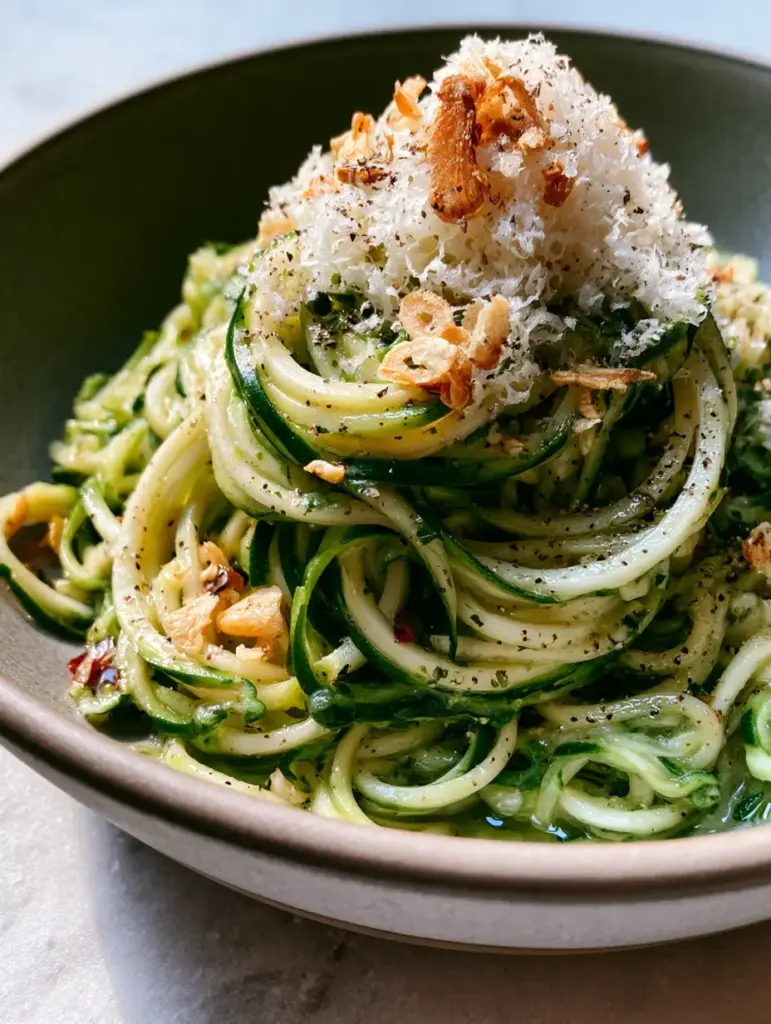
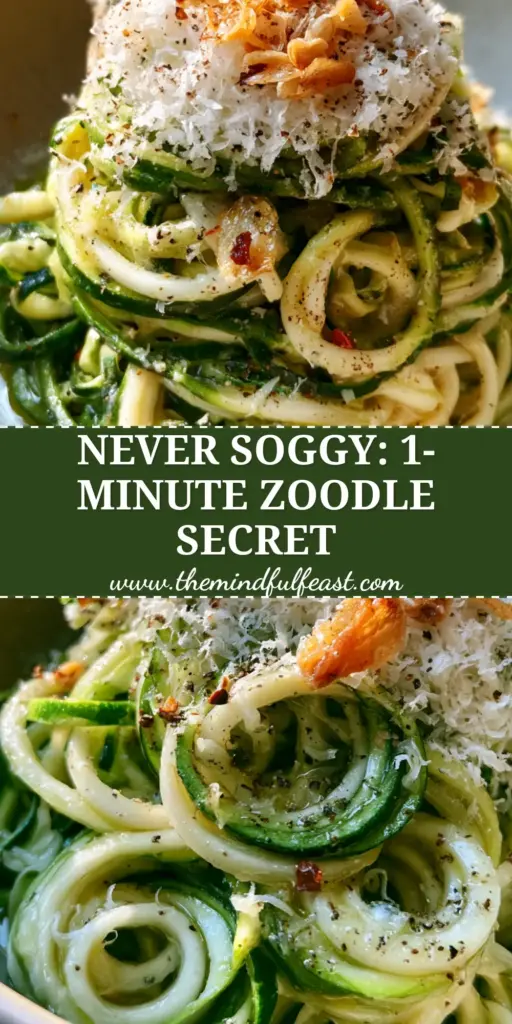
Imagine a high-piled mountain of coiled zucchini strands, glistening under a light emulsion of extra virgin olive oil and melted butter. Every forkful carries the aromatic crunch of golden-brown garlic slivers and the delicate, melt-in-your-mouth texture of micro-planed parmesan cheese that looks exactly like a dusting of fresh snow.
This recipe focuses on the forensic details of texture—ensuring your zucchini noodles remain firm and coiled rather than limp, with absolutely no watery residue at the bottom of your ceramic bowl. By mastering the science of moisture extraction and high-heat emulsification, you will elevate this simple vegetable into a craveable, high-end dish.
The Secret to Spiralized Success: Why This Method Works
Achieving the perfect bowl of zucchini noodles requires more than just a spiralizer; it requires an understanding of plant cellular structure. Zucchini is roughly 95% water, which means the moment heat is applied, those cell walls collapse and release liquid.
- Firm Structural Integrity: We utilize a dry-heat flash-sauté method to preserve the snap of the “noodle.”
- Aromatic Layering: Slowly toasting garlic slivers in oil creates a base of flavor that permeates the entire dish.
- Snowy Texture: Using a micro-plane for the parmesan creates a fluffy, high-volume topping that integrates into the oil glaze without clumping.
- Zero Water Pooling: Our specific “salt-and-squeeze” technique ensures the bowl stays dry and the sauce stays clinging to the strands.
If you find yourself with extra zucchini after this meal, you should consider making these parmesan zucchini potato muffins for a savory breakfast option later in the week.
Essential Ingredients for the Ultimate Zoodle Glaze
To achieve the visual and sensory results described in our blueprint, every ingredient must serve a structural or flavor-focused purpose. We move beyond basic seasoning to create a professional-grade emulsion.
Firm Zucchini: Look for medium-sized zucchinis (about 2 lbs (900g) total) that feel heavy for their size, indicating they haven’t started to dry out or become pithy inside. These will yield the most vibrant green skins and creamy white interiors.
Extra Virgin Olive Oil and Salted Butter: We use 2 tbsp (30ml) of oil and 1 tbsp (15g) of butter to create a glistening glaze. The butter provides the “creamy” mouthfeel seen in the handheld photo, while the olive oil allows for a higher smoke point during the garlic toasting phase.
Garlic slivers: Use 4 large cloves, sliced into paper-thin longitudinal slivers rather than minced. This ensures they turn “crispy golden-brown” rather than burning, providing the textural contrast required for our visual blueprint.
Micro-planed Parmesan: 1/2 cup (45g) of high-quality Parmigiano-Reggiano, grated on the finest setting. This creates that “fresh snow” look that sits high on the coiled noodles without weighing them down.
Red Chili Flakes and Cracked Black Pepper: These provide the “pop of color” and the sharp, floral heat that cuts through the richness of the fats. Freshly cracked pepper is essential for the visual grit shown in the 45-degree angle close-up.
Precision Tools for Professional Food Styling
To recreate the high-piled, firm look of the zucchini noodles in the prompt, certain tools are non-negotiable. You cannot achieve the “snowy mountain” of cheese with a standard box grater.
You will need a high-quality spiralizer with a medium-blade attachment to create strands with enough girth to hold their shape. A wide carbon steel or stainless steel skillet is preferred over non-stick, as it allows for better heat distribution and the “sear” required for the garlic slivers.
Finally, a micro-plane zester is the only way to achieve the fluffy, atmospheric texture of the cheese. If you enjoy this level of texture in your food, you might also like the mouthfeel of our chocolate orange chia pudding, which focuses on similar layering techniques.
Mastering the Flash-Sauté: Step-by-Step Instructions
Step 1: The Anatomy of the Spiral
Trim the ends of your zucchini and secure them in your spiralizer. Apply consistent, firm pressure to ensure long, continuous strands of zucchini noodles that can be coiled into high piles.
Lay the strands on a clean kitchen towel and sprinkle lightly with 1/2 tsp (3g) of sea salt. Let them sit for 10 minutes to draw out excess moisture, then gently pat—do not crush—the noodles to remove the surface water.
Step 2: Infusing the Fat and Crisping the Garlic
Place your skillet over medium-low heat and add the olive oil and butter. Once the butter is foaming, add the garlic slivers in a single layer.
Watch for the sensory cue: the garlic should sizzle gently and release a nutty, savory aroma. When the edges turn a pale straw color, increase the heat to medium-high and wait for the slivers to become a deep, crispy golden brown.
Step 3: The High-Heat Emulsion
Add the red chili flakes to the hot oil for 30 seconds to “bloom” the spice. Immediately drop the zucchini noodles into the pan.
Use tongs to toss the noodles vigorously for only 2 to 3 minutes. You are looking for a “glistening glaze” and a slight softening of the strands, but they must remain firm enough to stand up in the bowl.
Step 4: The Art of the Garnish
Transfer the noodles to a matte ceramic bowl, twisting the tongs as you release them to create height. Immediately top with the mountain of micro-planed parmesan.
Finish with a generous amount of cracked black pepper and a few fresh basil leaves. The residual heat from the zucchini noodles will slightly melt the bottom layer of cheese, creating a creamy bond, while the top remains looking like fresh snow.
Expert Tips for Success
- Don’t Overcrowd the Pan: If you are making more than two servings, sauté in batches. Overcrowding creates steam, leading to the limp noodles we are trying to avoid.
- The Temperature Spike: Always increase the heat right before adding the zoodles; this sears the outside and prevents the internal water from leaking out.
- Basil Placement: Tear the basil by hand rather than chopping with a knife to prevent bruising and to keep that “fresh garnish” look from the blueprint.
- Cheese Timing: Only add the parmesan once the noodles are in the bowl to ensure it maintains its fluffy, snowy visual integrity.
The Best Pairings for Zucchini Noodles
Zucchini noodles are remarkably versatile. To turn this into a full dinner, consider serving it alongside a lean protein that won’t overshadow the delicate garlic and parmesan flavors.
It pairs beautifully with seafood, such as our crispy coconut shrimp, or for a more classic Italian feel, serve it as a base for Marry Me chicken. If you are looking for a lighter lunch, a side of homemade chicken salad provides a great protein boost without adding heavy carbs.
Common Questions About Spiralized Zucchini
Yes! Raw zoodles have a great crunch and are excellent in cold salads. For this recipe, however, a quick sauté helps the garlic oil and butter emulsify into a sauce.
We don’t recommend it. Freezing breaks down the cell walls, and they will become very mushy and watery upon thawing.
No, the skin provides essential structural integrity and a beautiful vibrant green color that makes the dish more visually appealing.
The secret is to salt the spiralized strands for 10 minutes to draw out moisture, pat them dry, and then sauté over high heat for no more than 3 minutes.
A countertop crank spiralizer is best for large batches and long strands, while a handheld version works well for one or two zucchinis.
The Ultimate Garlic & Parmesan Zoodle Recipe
Zucchini Noodles with Golden Garlic and Snowy Micro-planed Parmesan
Ingredients
Equipment
Method
- Spiralize the zucchini into long strands. Toss with a pinch of salt on a towel for 10 minutes, then pat dry to remove moisture.
- Heat olive oil and butter in a skillet over medium-low. Add garlic slivers and cook until they are deep golden-brown and crispy.
- Increase heat to medium-high. Add chili flakes, then toss in zucchini noodles. Sauté for 2-3 minutes until glistening and al dente.
- Pile noodles high in a bowl. Immediately grate a mountain of parmesan over the top and finish with pepper and basil.
Notes
Avoid overcooking; 3 minutes is the maximum time in the pan.
Closing Thoughts on This Low-Carb Classic
Mastering zucchini noodles is a gateway to a world of light, nutrient-dense meals that never sacrifice flavor or visual appeal. By focusing on the structural integrity of the vegetable and the science of the emulsion, you’ve created a dish that looks as good as it tastes.
We invite you to share your results and tag us in your photos! If you enjoyed this forensic approach to cooking, sign up for our newsletter for more deep-dive recipes. Don’t forget to save this to your favorite boards on Pinterest.