There is a specific, soul-satisfying magic in a bowl of perfectly executed lo mein noodles. It is the contrast between the springy, pale yellow egg noodles and the deeply caramelized, dark amber glaze that clings to every strand. When you pull these noodles from a screaming-hot wok, the steam carries the aroma of toasted sesame and golden minced garlic, promising a meal that far surpasses any lukewarm takeout container.
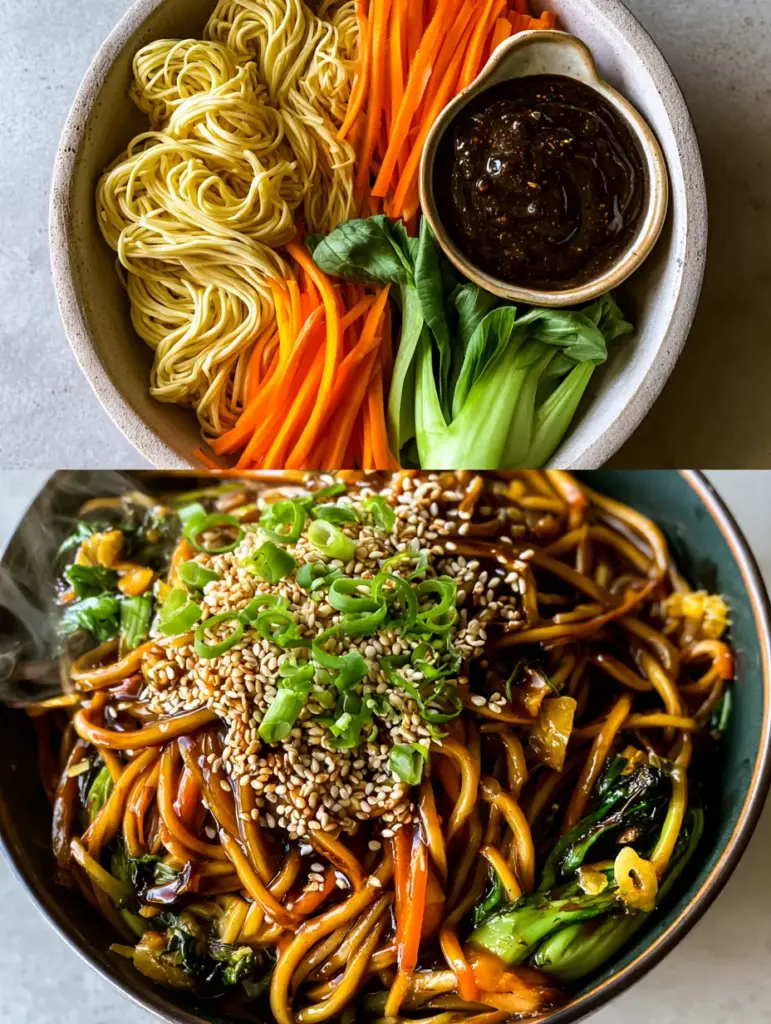
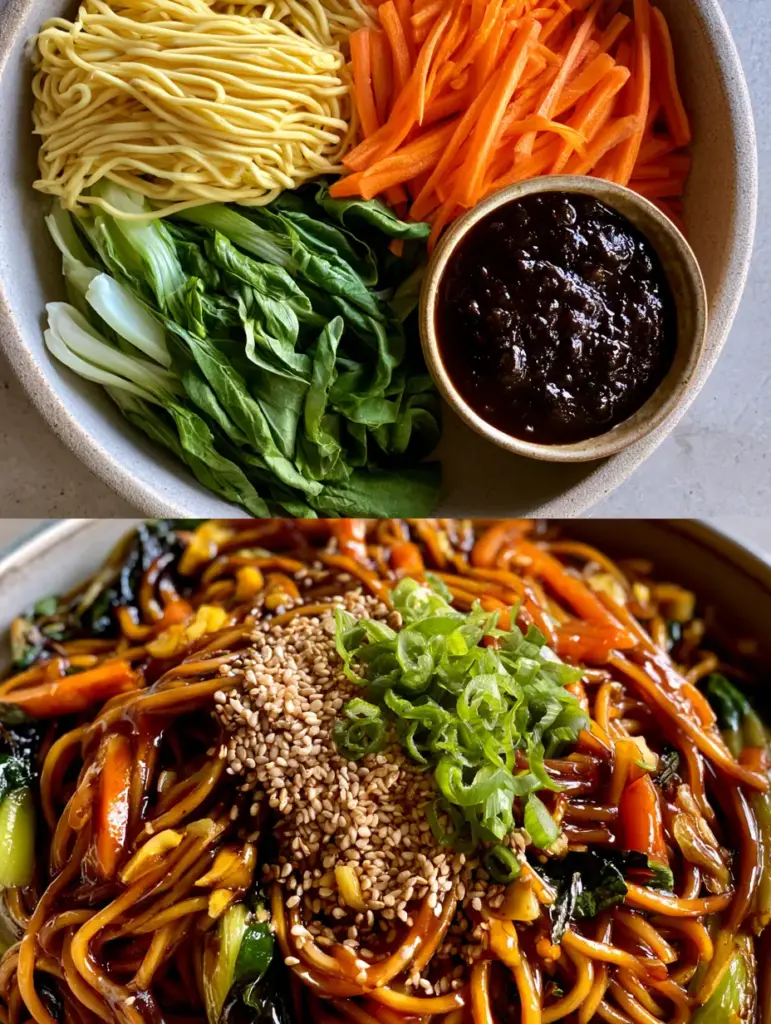
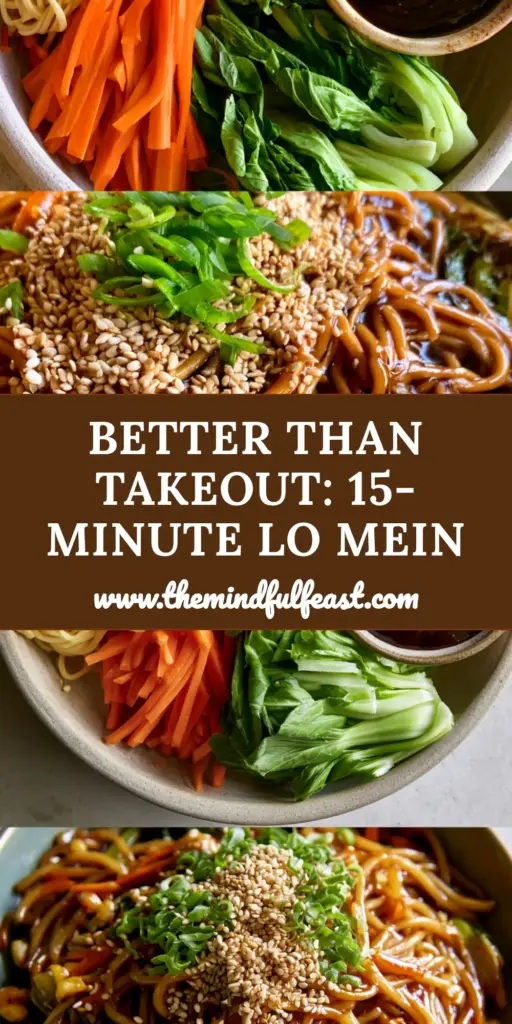
Our visual blueprint for this dish focuses on texture and color: vibrant orange julienned carrots, green bok choy with those elusive smoky, charred edges, and a heavy spray of bright green scallions. This recipe captures that exact smartphone-ready aesthetic, moving from clean, deconstructed raw ingredients to a shimmering, viscous masterpiece. Whether you are craving a quick weeknight win or a weekend culinary project, these lo mein noodles deliver professional-grade results from your own stovetop.
Why This Silky Stir-Fry Beats Any Takeout Menu
- Viscous Umami Glaze: A custom blend of dark and light soy sauces creates a shimmering, dark amber coating that is thick enough to cling but light enough to slurp.
- Textural Contrast: We balance the soft, tender egg noodles with the crunch of julienned carrots and the succulent, wilted leaves of bok choy.
- The “Wok Hei” Effect: By searing the greens at high heat, we achieve charred, smoky edges that provide a complex depth of flavor usually only found in restaurant kitchens.
- Aromatic Foundation: Freshly minced garlic is sautéed until golden, infusing the oil and the sauce with a rich, savory backbone.
The Essentials for Your Homemade Garlic Soy Glaze
To achieve the visual of the dark, glossy brown sauce seen in our deconstructed bowl, we need a balance of savory, sweet, and thickening agents. The “invisible” foundational ingredients are just as important as the noodles themselves.
Long Egg Noodles: 8 oz (225g) of fresh or dried lo mein egg noodles. These provide the essential springy base and pale yellow color that contrasts beautifully with the dark sauce.
Dark Soy Sauce: 1 tbsp (15ml). This ingredient is responsible for the “dark amber” hue; it is thicker and less salty than standard soy sauce, providing deep color and caramel notes.
Light Soy Sauce: 2 tbsp (30ml). This provides the primary salt component and the savory “umami” kick without overpowering the dish with too much sweetness.
Toasted Sesame Oil: 1 tsp (5ml). A finishing oil that provides that unmistakable nutty aroma and a shimmering highlight to the finished noodles.
Vegetable Oil: 2 tbsp (30ml). You need a high-smoke point oil to achieve the charred edges on the bok choy without burning the fats.
Bok Choy: 2 heads (approx. 200g), sliced lengthwise. We look for vibrant green leaves and crisp white stalks that wilt down into succulent ribbons.
Julienned Carrots: 1 large (100g) carrot. Precision cutting ensures they soften just enough while maintaining a slight structural bite.
Minced Garlic: 3 cloves (15g). Minced finely so it can turn golden and distribute evenly throughout the shimmering sauce.
Sugar or Honey: 1 tbsp (15g). This is the secret to the “viscous” texture; it allows the sauce to caramelize and thicken as it hits the hot pan.
Garnishes: 1 tbsp (8g) toasted white sesame seeds and 2 stalks (20g) sliced green scallions. These provide the final pop of “bright green” and “brilliant highlights” described in our visual prompt.
Professional Tools for the Ultimate Wok Hei
To recreate the steaming, caramelized lo mein noodles from the smartphone photo, equipment choice matters. A large carbon steel wok is the gold standard, as its thin walls allow for rapid temperature changes and high-heat searing.
If you don’t have a wok, a heavy-bottomed stainless steel or cast-iron skillet (12-inch/30cm) is your best alternative. You will also need a sharp chef’s knife for the julienned carrots and a pair of long kitchen tongs to toss the noodles effectively without breaking them.
Executing the Perfect Caramelized Stir-Fry
Preparing the Noodle Foundation
Bring a large pot of salted water to a boil. Add your 8 oz (225g) egg noodles and cook according to the package instructions, but stop exactly 1 minute early.
Drain the noodles and immediately rinse them with cold water to stop the cooking process. Toss with a tiny drop of oil to prevent sticking; they should look pale yellow and distinct, just like the deconstructed bundles in our stone bowl.
Blistering the Aromatics and Vegetables
Heat your wok or skillet over medium-high heat until a drop of water flicked onto the surface dances and evaporates instantly. Add 2 tbsp (30ml) of vegetable oil, swirling to coat the sides.
Add the julienned carrots and sliced bok choy. Let them sit undisturbed for 45-60 seconds; you are looking for those “slightly charred edges” on the bok choy leaves. Toss occasionally until the carrots are softened but still bright orange.
Infusing the Golden Garlic
Push the vegetables to the side of the pan and add the 3 cloves (15g) of minced garlic to the center. Sauté for only 30 seconds until the garlic is fragrant and turns a light golden color.
Avoid letting the garlic turn dark brown or black, as this will introduce a bitter flavor that ruins the delicate balance of the soy glaze. The goal is “minced golden garlic” bits visible throughout the dish.
The Final Glaze and Caramelization
Add the cooked noodles back into the pan. Pour over the mixture of dark soy, light soy, and sugar. Increase the heat to high and toss vigorously with tongs.
As the sugar in the sauce hits the high heat, it will begin to bubble and reduce, creating that “thick, glossy brown sauce” and “viscous, shimmering dark amber” finish. Continue tossing for 2 minutes until the noodles are deeply caramelized and steaming hot.
Expert Tips for Success
- Dry Your Vegetables: Ensure the bok choy is completely dry after washing. Excess moisture creates steam, which prevents the “charred edges” we are aiming for.
- Don’t Overcrowd: If your pan is too small, cook the vegetables in two batches. Overcrowding drops the temperature and results in soggy noodles rather than caramelized ones.
- The Dark Soy Secret: If you cannot find dark soy sauce, you can substitute with extra light soy and a teaspoon of molasses to get that signature dark amber color.
- Noodle Choice: While lo mein egg noodles are traditional, this technique works beautifully with spaghetti or linguine in a pinch.
Storage, Reheating & Freezing
Leftover lo mein noodles store exceptionally well in an airtight container in the refrigerator for up to 4 days. The flavors often deepen overnight as the garlic and soy permeate the noodles.
To reheat, avoid the microwave if possible. Instead, toss the noodles back into a hot skillet with a splash of water or broth (15ml) to loosen the glaze. For freezing, store in a freezer-safe bag for up to 2 months, though the bok choy may lose some of its crisp-tender texture upon thawing.
Creating the Ultimate Asian-Inspired Spread
While these noodles are a meal in themselves, they pair beautifully with other textured dishes. For a complete feast, try serving them alongside a honey garlic beef rice bowl for a protein boost.
If you are looking for a side dish to cut through the richness of the glaze, a refreshing cucumber onion salad or tangy cucumbers and onions in vinegar provides the perfect acidic brightness. For those who love a bit of meat, adding sliced classic Chinese barbecue pork directly into the noodles is a traditional and delicious choice.
Commonly Asked Stir-Fry Questions
Absolutely. Sear your protein first, remove it from the pan, and then proceed with the vegetables. Re-add the protein at the very end when tossing the noodles in the glaze.
Yes, substitute the egg noodles with rice noodles and use Tamari or a gluten-free soy sauce alternative. Note that the texture will be less springy but still delicious.
Always sear your vegetables first over high heat and push them to the side before adding the garlic. This allows the bok choy to char while the garlic only cooks for a few seconds to reach its golden state.
Lo mein noodles are boiled then tossed with sauce (meaning ‘stirred noodles’), resulting in a soft, silky texture. Chow mein noodles are fried until crisp (‘fried noodles’) before being incorporated into the dish.
The sauce needs sugar and high heat to reduce and become ‘viscous.’ Ensure your pan is hot enough to cause the sauce to bubble immediately upon contact.
Recipe: Signature Garlic Soy Lo Mein
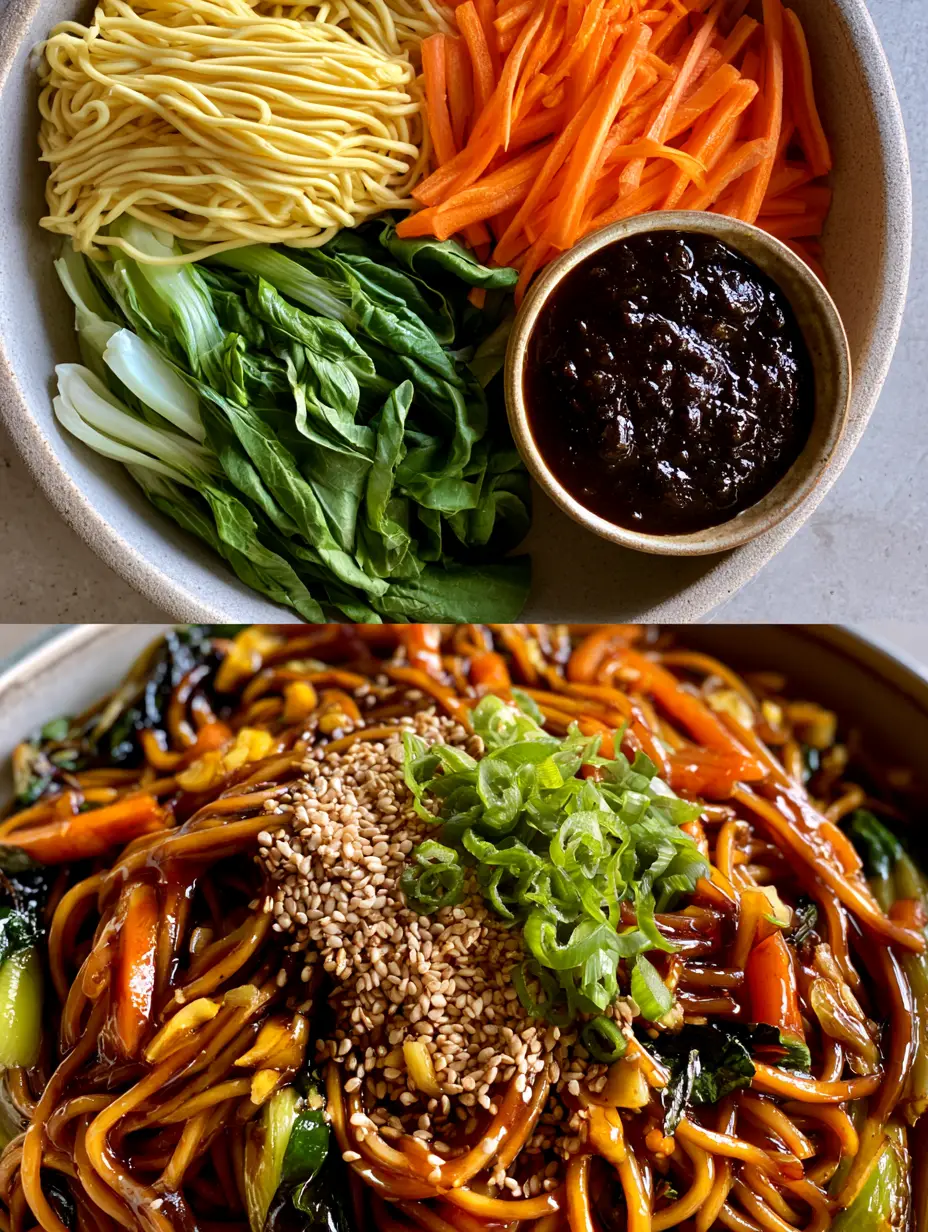
Lo Mein Noodles with Charred Bok Choy and Glossy Garlic Soy Glaze
Ingredients
Equipment
Method
- Cook egg noodles in salted boiling water, removing them 1 minute early. Rinse in cold water to keep them pale yellow and springy.
- Heat vegetable oil in a wok until shimmering. Add carrots and bok choy, searing until the bok choy leaves have charred, smoky edges.
- Add minced garlic to the center of the pan, sautéing for 30 seconds until golden and fragrant.
- Add noodles and sauce ingredients. Toss over high heat for 2 minutes until a shimmering, dark amber glaze forms.
- Top with toasted white sesame seeds and a spray of bright green scallions before serving hot.
Notes
Ensure the wok is screaming hot before adding vegetables to get the char.
Experience the Sizzle at Home
This lo mein noodles recipe is more than just a meal; it is a sensory experience. From the sound of the sizzle as the bok choy hits the pan to the sight of the shimmering dark glaze coating the long egg noodles, it’s a dish that invites you to enjoy the process of cooking. We hope this becomes a staple in your kitchen rotation!
If you enjoyed this recipe, please leave a comment below and share your photos with us! For more visual inspiration and easy weeknight dinners, follow us on Pinterest and save this pin to your favorite recipe boards.