If you are craving a meal that bridges the gap between soul-warming comfort and bold, zesty flavors, this Cajun dirty spaghetti is the ultimate answer. Inspired by the deep, complex profiles of Louisiana’s famous dirty rice, this dish swaps grains for al dente pasta strands, creating a unique fusion that is both visually striking and incredibly satisfying.
Every bite offers a masterclass in texture and depth. From the craggy, well-seared ground beef crumbles to the glossy, deep mahogany-colored savory sauce, this is a meal designed to be the centerpiece of your dinner table.
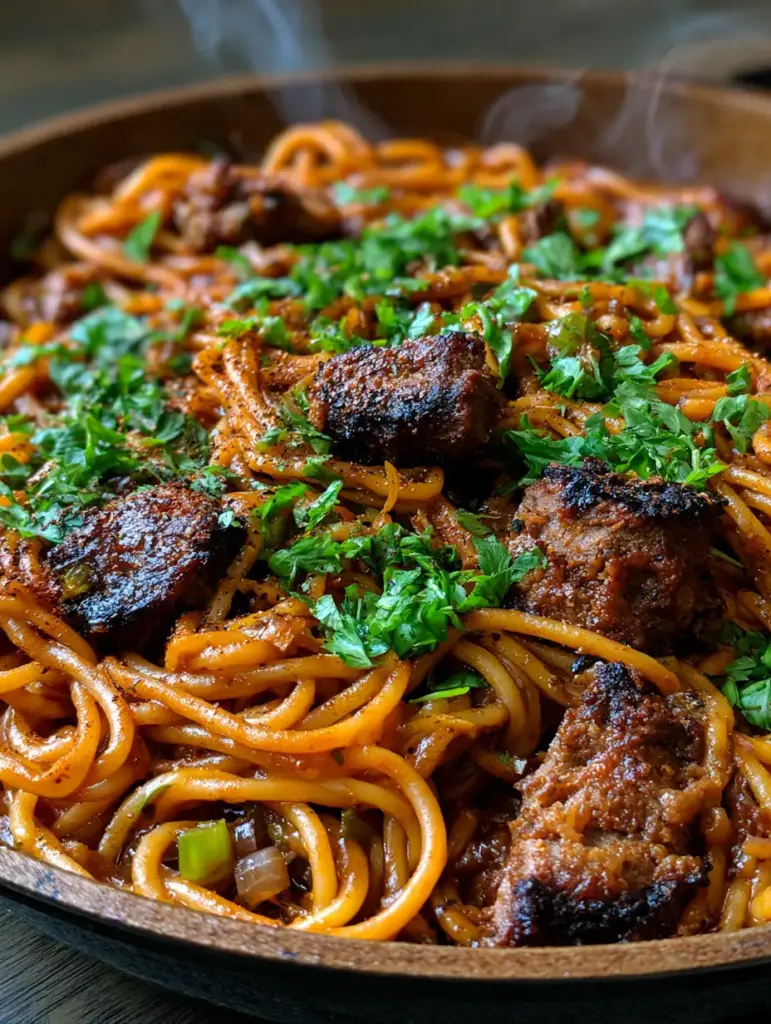
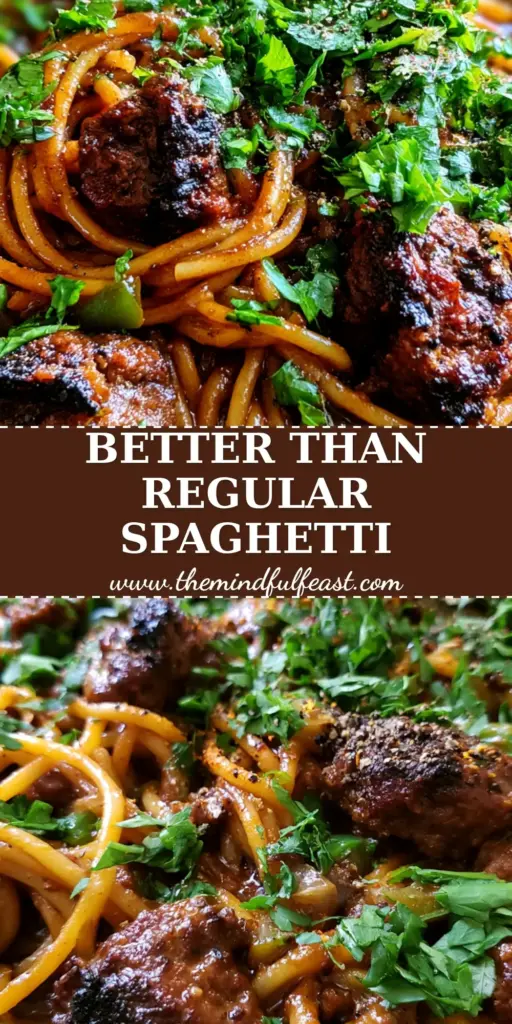
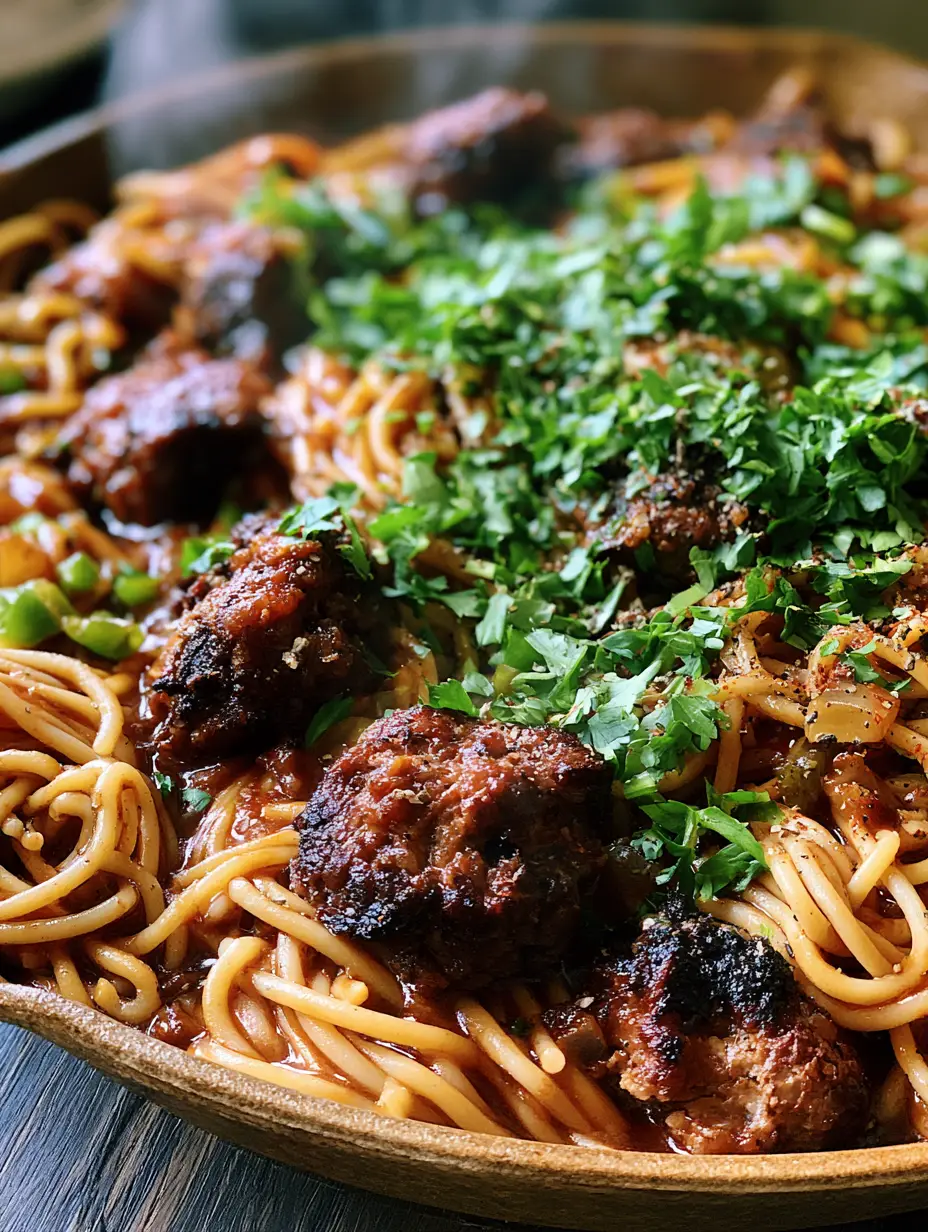
Captured in a rustic cast iron skillet, the visual appeal of this dish lies in its contrasts. The bright green of freshly chopped flat-leaf parsley pops against the dark, rich sauce, while a dusting of coarse black pepper and cayenne hints at the heat waiting within.
Why You Will Crave This Savory Cajun Skillet Meal
- Visual Texture: Large chunks of ground beef featuring crispy charred edges provide a satisfying crunch that contrasts with the silkiness of the noodles.
- Deep Umami Base: The dark mahogany sauce is built on a foundation of beef drippings and aromatics, creating a “glossy oil sheen” that looks professional and tastes even better.
- Perfectly Balanced Aromatics: Small dice of softened green bell peppers and translucent onions provide a subtle sweetness and vegetal crunch in every forkful.
- Adjustable Heat: A precise pinch of cayenne and coarse cracked black pepper allows you to control the spice level while maintaining authentic Cajun flair.
Essential Components for an Authentic Dark Mahogany Sauce
Creating this Cajun dirty spaghetti requires a specific set of ingredients to achieve the “forensic visual accuracy” of a professional kitchen. Here is what you will need for your grocery list.
Lean Ground Beef: Choose an 80/20 or 90/10 blend. You need enough fat to create that signature glossy oil sheen, but high-quality meat ensures those large, craggy chunks hold their shape during the searing process.
Spaghetti Noodles: 1 lb (450g) of high-quality semolina pasta. We will cook these until perfectly al dente so they can stand up to the weight of the heavy savory sauce without breaking.
Green Bell Pepper & Yellow Onion: 1 medium (150g) pepper and 1 small (100g) onion. These are the cornerstones of the flavor base, providing the softened texture and translucent look seen in the visual blueprint.
Beef Stock & Worcestershire Sauce: 1.5 cups (350ml) and 2 tbsp (30ml) respectively. These foundational liquids react with the meat drippings to form the deep mahogany color that defines this savory Cajun pasta.
Fresh Flat-Leaf Parsley: 1/2 cup (15g), finely chopped. This isn’t just a garnish; the vibrant green provides the necessary visual contrast against the dark background of the skillet.
Cayenne & Coarse Black Pepper: A pinch of cayenne and 1 tsp (2g) of cracked black pepper. These spices provide the “light dusting” effect seen in the close-up photography and deliver the characteristic Cajun kick.
Cooking Oil: 2 tbsp (30ml) of high-smoke point oil like avocado or vegetable oil. This is scientifically required to achieve the Maillard reaction, giving the beef those crispy charred edges without burning the meat.
Tools Required for Professional Results
To recreate the exact look of our classic Cajun jambalaya pasta variation, you need the right gear. A heavy-duty cast iron skillet is non-negotiable for achieving those crispy beef edges.
You will also need a large stainless steel pot for boiling your pasta. The conductivity of stainless steel ensures a rapid boil, which is essential for hitting that al dente texture every time.
Lastly, ensure you have a sharp chef’s knife for the small dice of the bell peppers and onions. Precision in cutting ensures the vegetables soften evenly and look uniform in the final presentation.
How to Master the Cajun Dirty Spaghetti Technique
1. Prepare the Pasta Foundation
Fill your large pot with water and a generous amount of salt. Bring to a rolling boil and add the 1 lb (450g) of spaghetti noodles.
Cook for 1-2 minutes less than the package directions. We are looking for a firm, al dente bite because the noodles will continue to cook slightly when tossed in the mahogany sauce later.
2. Searing the Beef for Maximum Texture
Heat your cast iron skillet over medium-high heat with 2 tbsp (30ml) of oil. Once the oil is shimmering, add the ground beef in large clumps rather than breaking it up immediately.
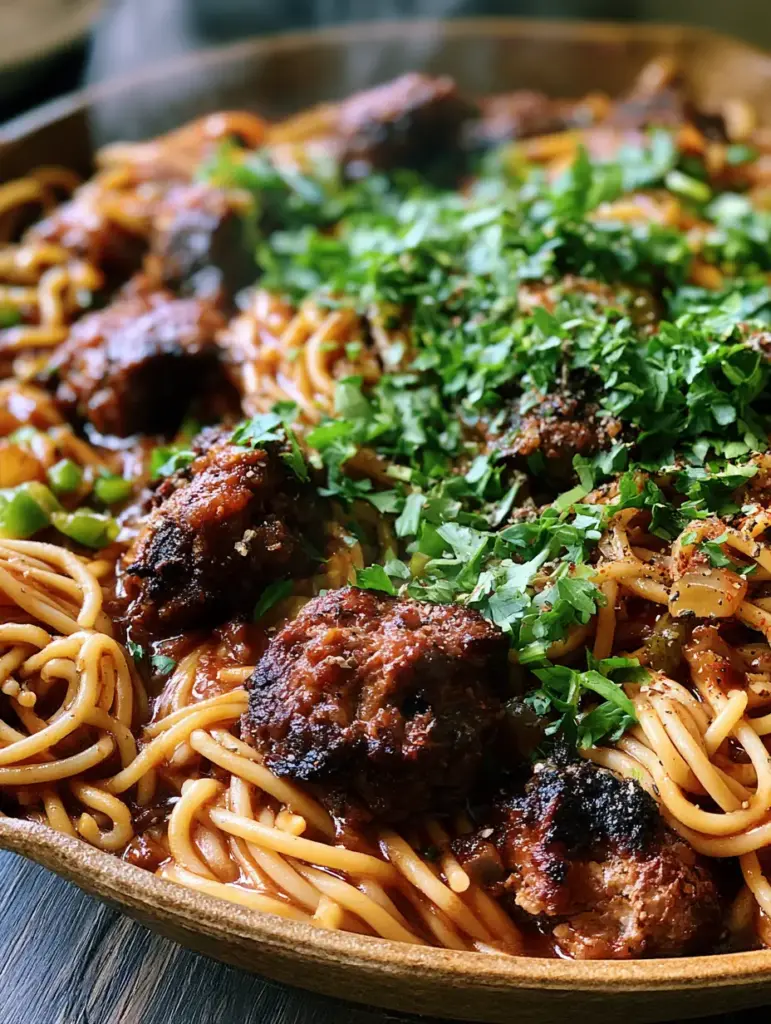
Let the beef sit undisturbed for 3-4 minutes. You want to see visual cues of deep browning and crispy charred edges before you flip and break the meat into craggy chunks.
3. Softening the Cajun Aromatics
Reduce the heat to medium and add the diced green bell pepper and yellow onion directly to the beef drippings. Sauté until the onions are translucent and the peppers are softened but still hold their shape.
The visual result should show the vegetables nestled among the browned beef, absorbing the flavors of the rendered fat. This stage builds the aromatic profile of your Cajun dirty spaghetti.
4. Developing the Mahogany Savory Sauce
Deglaze the skillet with the beef stock and Worcestershire sauce. Use a wooden spoon to scrape up all the “fond” (the brown bits) from the bottom of the pan.
Simmer the mixture until it reduces and thickens into a glossy, dark mahogany-colored sauce. The sauce should be viscous enough to heavily coat the back of a spoon.
5. The Final Skillet Assembly
Transfer the al dente spaghetti into the skillet. Using tongs, toss the noodles vigorously so they are heavily coated in the glossy sauce.
Observe the steam rising from the pan as the noodles absorb the liquid. The dish should exhibit a beautiful sheen that reflects natural side-lighting, just like a professional smartphone photo.
Expert Tips for Skillet Success
- The Sear Secret: Do not overcrowd the pan. If the pan is too full, the beef will steam rather than sear, and you will lose those crispy charred edges.
- Gloss Factor: If the sauce looks too dry after adding the pasta, add 1/4 cup (60ml) of reserved pasta water. The starch helps emulsify the oils into a glossy sheen.
- Freshness Matters: Only chop your flat-leaf parsley seconds before serving. This ensures the green remains vibrant and doesn’t wilt into the dark sauce.
- Temperature Control: Cast iron retains heat intensely. Turn off the burner just before you think the sauce is thick enough; the residual heat will finish the job.
Serving and Storage Guidelines
This dish is best served immediately, piping hot from the skillet. The contrast between the steam and the cold garnish is a sensory delight for your guests.
Store leftovers in an airtight container in the refrigerator for up to 3 days. When reheating, add a splash of beef stock to loosen the sauce and restore the glossy texture.
We do not recommend freezing this recipe, as the texture of the al dente spaghetti can become mushy upon thawing, losing the structural integrity required for a premium skillet pasta.
What to Serve With This Skillet Masterpiece
To balance the richness of the beef and the heat of the cayenne, consider a light and crisp side dish. A hearts of palm salad provides a refreshing acidic contrast that cleanses the palate between bites.
If you want to lean into the comfort food aspect, these parmesan asparagus fries offer a crunchy, salty element that pairs beautifully with the dark mahogany sauce.
For those serving a larger crowd, this dish works well alongside a hearty steak sandwich for a high-protein feast that will satisfy even the hungriest home cooks.
Frequently Asked Questions
While spaghetti is traditional for this look, you can use fettuccine or linguine. The key is to keep the pasta al dente to support the heavy meat sauce.
The glossy sheen is achieved by emulsifying the rendered beef fat with the stock reduction and a bit of starchy pasta water, creating a smooth, reflective coating.
This recipe has a moderate heat profile. The pinch of cayenne and black pepper provide a warmth, but you can increase the cayenne if you prefer a hotter dish.
The deep color comes from the Maillard reaction during the heavy searing of the ground beef, combined with a high-quality beef stock and Worcestershire sauce reduction.
Cast iron provides superior heat retention, which is essential for getting those crispy, charred edges on the beef crumbles that define the texture of this dish.
The Ultimate Cajun Dirty Spaghetti Recipe
Ready to bring the flavors of the bayou into your kitchen? Follow the detailed recipe card below to achieve the perfect balance of spice, texture, and visual appeal.
Cajun Dirty Spaghetti: A Bold Skillet Pasta Recipe with Charred Beef
Ingredients
Equipment
Method
- Bring a large pot of salted water to a boil. Cook 1 lb (450g) spaghetti until just al dente, usually 1-2 minutes less than package instructions. Drain and set aside.
- Heat 2 tbsp (30ml) oil in a cast iron skillet over medium-high heat. Add ground beef in large clumps. Sear for 4 minutes without moving until charred edges form, then break into craggy chunks.
- Add diced green pepper and onion to the skillet. Sauté for 5 minutes until onions are translucent and peppers are softened.
- Pour in 1.5 cups (350ml) beef stock and 2 tbsp (30ml) Worcestershire sauce. Scape the bottom of the pan to deglaze. Simmer until the liquid reduces into a glossy, dark mahogany sauce.
- Toss the cooked spaghetti into the skillet until heavily coated. Garnish with chopped parsley, coarse black pepper, and a pinch of cayenne.
Notes
Use reserved pasta water if the sauce becomes too thick while tossing.
Join the Mindful Feast Community
We hope this Cajun dirty spaghetti becomes a new favorite in your weeknight rotation. The combination of rustic skillet cooking and refined Cajun flavors is truly unmatched.
If you enjoyed this recipe, please leave a comment below and let us know how your charred beef edges turned out! Don’t forget to share your creations on Instagram and tag us, or save this recipe to your favorite boards on Pinterest.