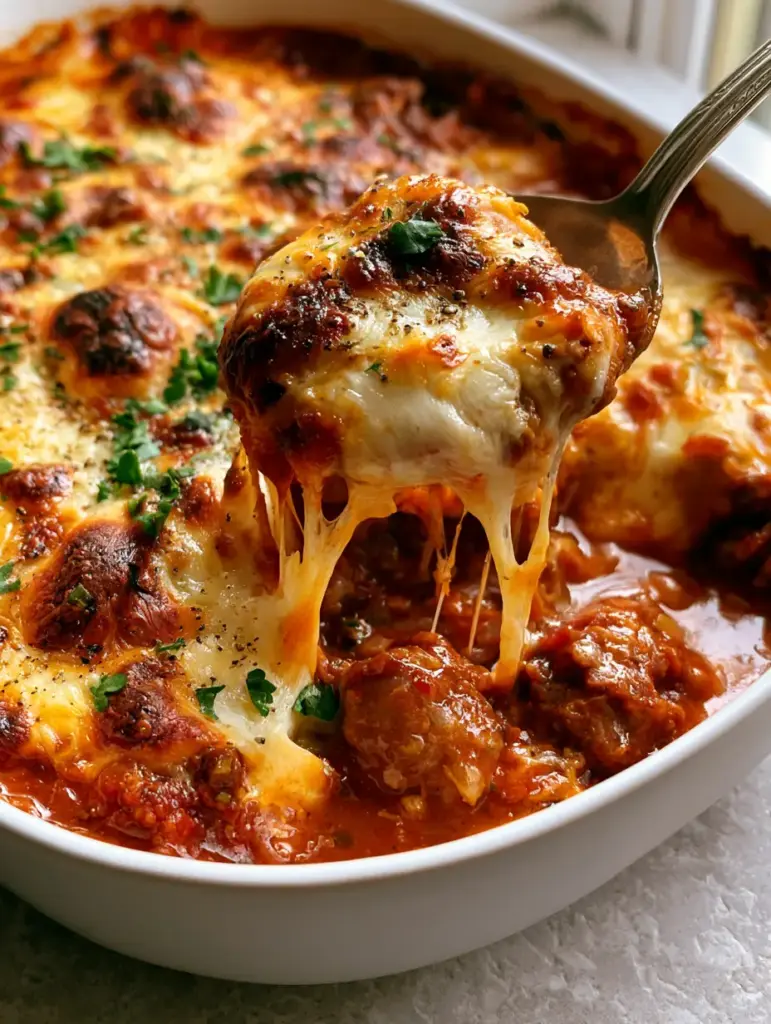
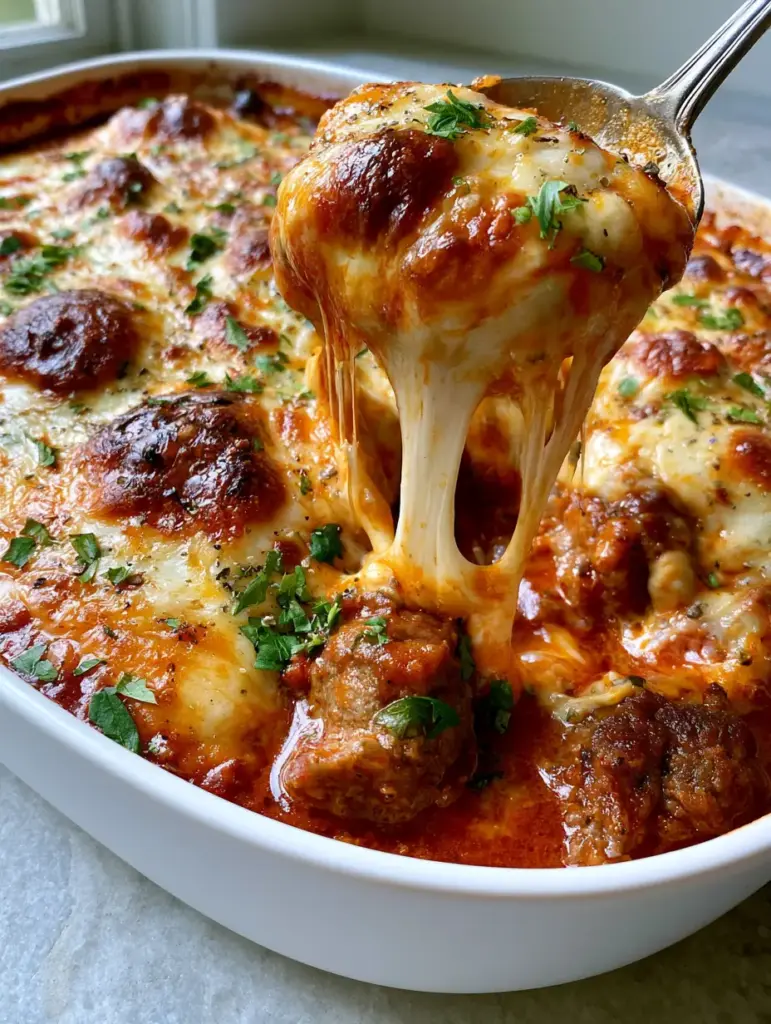
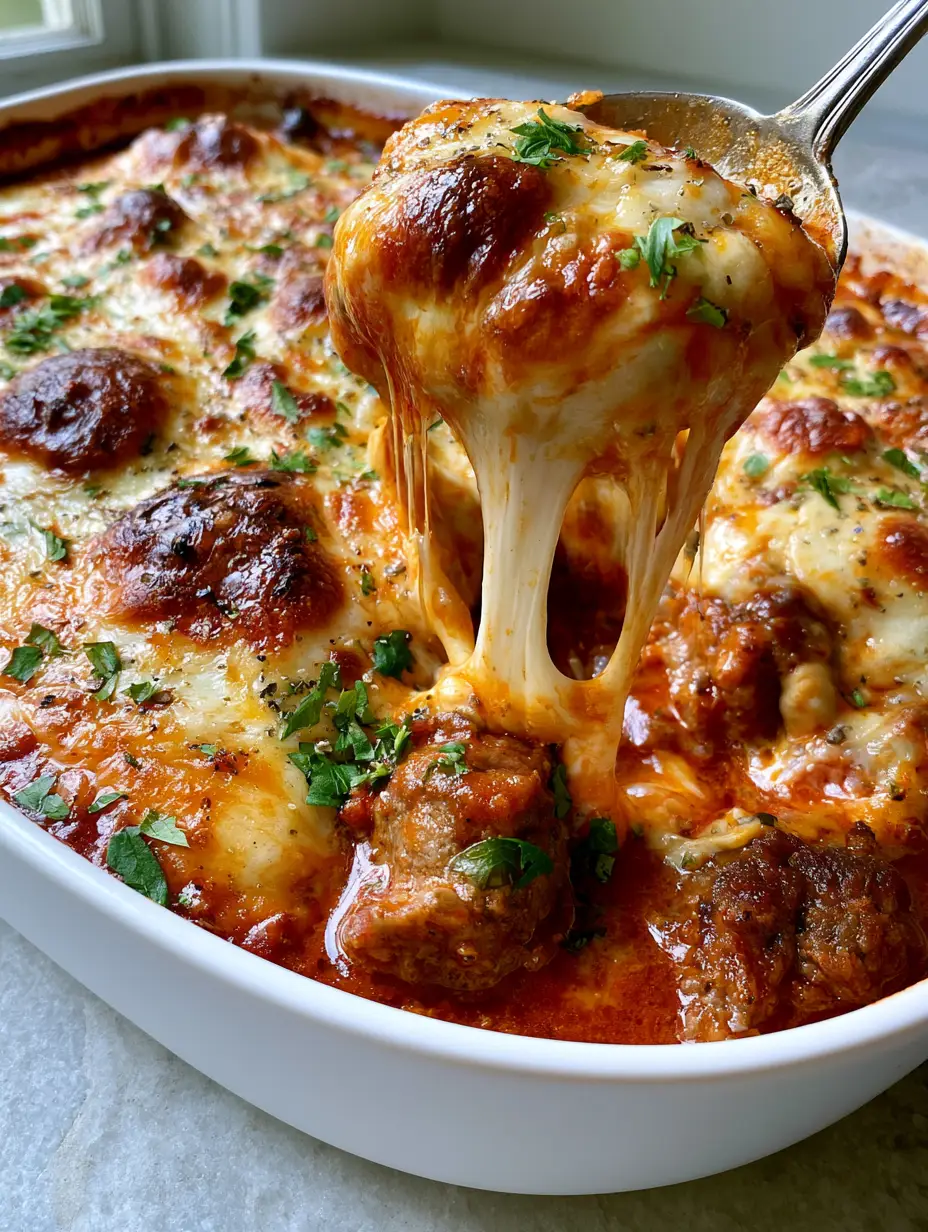
There is nothing quite as comforting as a Cheesy Beef Casserole Recipe that delivers a thick, molten blanket of toasted mozzarella and sharp cheddar straight to your table. Imagine a heavy silver spoon diving into a matte white ceramic dish, lifting a portion that reveals long, thick, elastic strings of melted cheese stretching toward the ceiling.
Underneath that golden-brown charred surface lies a treasure trove of perfectly seared, juicy ground beef coated in a glossy, rich deep-red tomato reduction. Every crevice of the al dente pasta shells is filled with sauce, ensuring that every single bite is a masterclass in texture and flavor profile.
This isn’t just a meal; it’s a sensory experience defined by the vibrant green of finely minced flat-leaf parsley and the sharp, aromatic bite of coarse cracked black pepper. Whether you are cooking for a hungry family or meal-prepping for the week, this recipe provides the ultimate satisfaction through professional culinary techniques applied to home-style comfort.
Why This Is the Ultimate Cheesy Beef Casserole Recipe
- The Leopard-Spotted Crust: By using a specific ratio of mozzarella and sharp cheddar, we achieve those iconic golden-brown charred bubbles that provide a slight crunch against the molten interior.
- Glossy Tomato Reduction: Unlike watery sauces, our method involves a slow reduction to create a deep-red, concentrated meat sauce that clings to every pasta shell.
- Perfectly Seared Beef: We don’t just “brown” the meat; we sear it in batches to develop a complex crust that adds savory depth to the entire casserole.
- Structural Integrity: By boiling our shells to a precise al dente state, they maintain their shape and “bite” even after being baked under a heavy layer of cheese.
The Science of the Maillard Reaction in Your Casserole
The foundation of a truly elite Cheesy Beef Casserole Recipe starts with the beef. Most home cooks make the mistake of overcrowding the pan, which leads to steaming rather than searing.
To achieve that juicy, seared texture seen in our visuals, you must allow the ground beef to sit undisturbed in a hot pan until a deep golden-brown crust forms. This process, known as the Maillard reaction, creates hundreds of different flavor compounds that a simple “grey” browning cannot match.
If you enjoy the deep, savory notes of this dish, you might also find yourself craving our southwest ground beef pasta, which utilizes similar searing techniques with a spicy flair.
Essential Ingredients for Depth and Texture
Ground Beef (80/20 Blend): 1.5 lbs (680g). The fat content is crucial here, as it carries the flavor and prevents the meat from becoming dry during the baking process.
Medium Pasta Shells: 1 lb (450g). The concave shape of shells acts as a vessel, capturing the rich tomato reduction and pockets of melted cheese.
Whole Milk Mozzarella: 2 cups (226g), freshly shredded. Pre-shredded cheese is coated in potato starch; for those long, elastic cheese strings, you must grate your own from a block.
Sharp Cheddar Cheese: 1 cup (113g), aged. While mozzarella provides the stretch, sharp cheddar provides the tangy “punch” and the oils necessary for the leopard-spotted char.
Tomato Paste & Crushed Tomatoes: 2 tbsp (32g) paste and 28 oz (794g) crushed. This combination allows us to build a thick, glossy reduction rather than a thin, runny sauce.
Foundational Aromatics: 1 large yellow onion and 4 cloves of garlic. These ingredients are invisible in the final photo but provide the essential aromatic base for the meat sauce.
Finely Minced Flat-Leaf Parsley: 1/4 cup (15g). This garnish isn’t just for color; it adds a necessary hit of freshness to cut through the heavy fats of the beef and cheese.
Coarse Cracked Black Pepper: 1 tsp (2g). Using coarse grinds provides small bursts of heat and texture that fine pepper simply cannot replicate.
Professional Tools for a Perfectly Baked Result
To replicate the visual result of our Cheesy Beef Casserole Recipe, you will need a 9×13 inch (23×33 cm) ceramic baking dish. Ceramic is preferred over glass or metal because it retains heat more evenly, ensuring the center is bubbling while the edges don’t burn.
A heavy-bottomed cast iron skillet is also recommended for searing the beef. The heat retention of cast iron ensures that the temperature doesn’t drop when the cold meat hits the pan, which is the secret to that “juicy beef” look.
Lastly, a high-quality box grater is non-negotiable. As mentioned, the “leopard spotting” on the cheese crust is only achievable with freshly grated cheese that hasn’t been treated with anti-clumping agents.
Step-By-Step: Crafting the Glossy Meat Sauce
1. Searing the Beef for Maximum Flavor
Heat 1 tbsp (15ml) of neutral oil in your skillet over medium-high heat. Add the ground beef in large chunks, leaving space between them.
Resist the urge to stir! Let the beef sear for 4-5 minutes until a visible dark crust forms on the bottom. Flip and break the chunks into bite-sized pieces, ensuring they remain “juicy” inside while charred outside.
2. Building the Deep-Red Tomato Reduction
Remove the beef and sauté your onions and garlic in the rendered fat. Stir in the tomato paste and cook for 2 minutes until it turns a dark brick-red color.
Add the crushed tomatoes and return the beef to the pan. Simmer on low for 15-20 minutes, allowing the sauce to reduce until it is thick, glossy, and clings effortlessly to a spoon.
3. Achieving the Al Dente Shells
Boil your pasta shells in heavily salted water. Subtract 2 minutes from the package instructions; the pasta should have a firm “snap” when bitten.
This is vital because the shells will continue to cook in the tomato meat sauce while in the oven. If they are soft now, they will be mushy later. If you’re looking for more pasta inspiration, check out our classic beef pasta recipe for a stovetop variation.
The Art of the Toasted Cheese Crust
Once your sauce and pasta are combined and transferred to the ceramic dish, it is time for the “blanket.” Mix your shredded mozzarella and sharp cheddar together before topping.
Apply the cheese in a thick, even layer, making sure to cover every inch of the pasta. Place the dish in a 375°F (190°C) oven for 20 minutes until the sauce is bubbling up through the edges.
For the final touch, turn the broiler to high for 2-3 minutes. Watch closely! You are looking for those “leopard-spotted golden-brown charred bubbles” to form. Remove immediately when the cheese is molten and spotted with dark gold.
Expert Tips for Casserole Success
- The “Rest” Period: Allow the casserole to sit for 10 minutes after removing it from the oven. This allows the sauce to thicken and the cheese strings to set, ensuring you get that perfect “silver spoon lift” without the sauce running to the bottom.
- Drain the Fat, But Not All: After searing the beef, drain the excess liquid fat but leave about 1 tbsp (15ml) in the pan to sauté the vegetables. This “liquid gold” contains all the seared flavor.
- Salt the Water: Your pasta water should taste like the sea. This is the only chance you have to season the inside of the shells.
- Fresh Pepper Only: Use a grinder for the black pepper garnish. The volatile oils in fresh pepper provide a much stronger aroma than pre-ground pepper.
What to Serve with Your Cheesy Beef Casserole Recipe
Because this dish is incredibly rich and savory, it pairs beautifully with light, acidic sides. A crisp green salad with a lemon vinaigrette is the perfect palate cleanser between bites of molten cheese.
If you want a more hearty spread, consider serving this alongside our ground beef and potato recipe for a multi-course beef feast. For those who prefer a variety of proteins, a side of roasted chicken can round out a Sunday family dinner.
Storage and Reheating Instructions
Refrigeration: Store leftovers in an airtight container for up to 4 days. The flavors actually deepen overnight as the pasta absorbs the tomato reduction.
Reheating: To maintain the cheese texture, reheat in the oven at 350°F (175°C) covered with foil. In the last 5 minutes, remove the foil to re-crisp the toasted cheese crust.
Freezing: This casserole freezes exceptionally well. You can freeze the entire dish (before the final broil) for up to 3 months. Thaw in the fridge overnight before baking as directed.
Common Questions About Beef Casseroles
Yes! Assemble the casserole entirely, but wait to do the final bake. Store it covered in the fridge for up to 24 hours, then bake as directed, adding 5-10 minutes to the cook time.
Use the broiler setting for the last 2-3 minutes of cooking. The high direct heat carmelizes the proteins in the cheese, creating that professional leopard-spotted look.
Boil the shells to a very firm al dente state, usually 2-3 minutes less than the package directions. They will finish cooking by absorbing the glossy tomato sauce in the oven.
A combination of whole-milk mozzarella for stretch and sharp cheddar for flavor and oil-based browning is ideal. Always grate from a block to avoid anti-clumping agents that prevent melting.
Searing in chunks prevents the meat from steaming and allows the Maillard reaction to create a deep golden-brown crust, which adds savory complexity to the sauce.
The Ultimate Cheesy Beef Casserole Recipe Card
Cheesy Beef Casserole Recipe with Toasted Mozzarella Crust
Ingredients
Equipment
Method
- In a hot skillet, sear ground beef in chunks without stirring for 5 minutes to develop a dark crust. Break into pieces and remove.
- Sauté onions and garlic, add tomato paste until dark red, then add crushed tomatoes. Simmer until the sauce is a thick, glossy deep-red reduction.
- Toss the al dente pasta shells with the rich meat sauce and transfer to a matte white ceramic baking dish.
- Top with combined mozzarella and cheddar. Bake at 375°F (190°C) for 20 minutes, then broil for 2 minutes to achieve leopard-spotted charred bubbles.
Notes
Let the casserole rest for 10 minutes before serving to set the sauce.
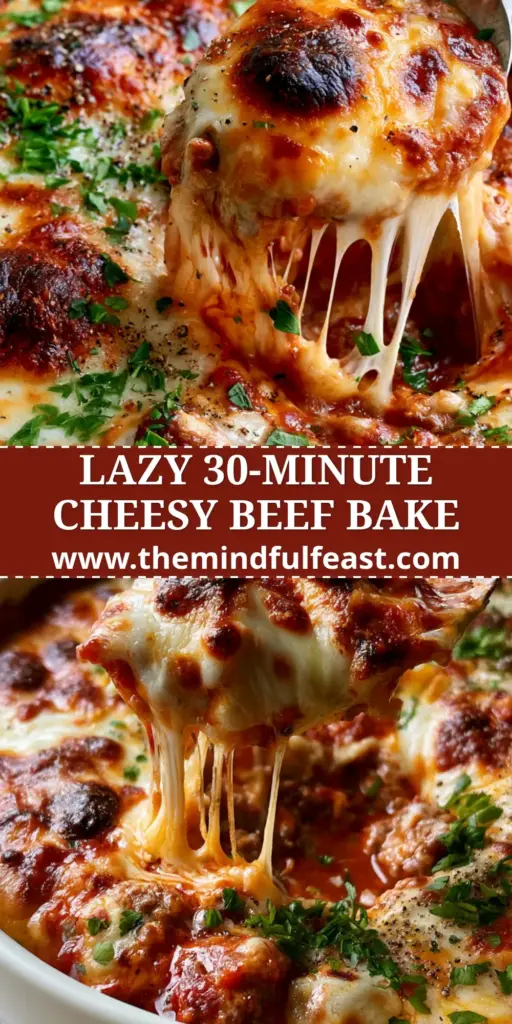
This Cheesy Beef Casserole Recipe is a testament to the fact that simple ingredients, when treated with professional technique, can produce world-class results. From the seared beef to the toasted cheese crust, every element is designed for maximum flavor and visual appeal.
If you loved this recipe, please leave a comment below and let us know how your cheese pull turned out! Don’t forget to save this to your favorite dinner boards on Pinterest so you always have this comfort food classic on hand.