Chicken Yakitori is more than just a grilled snack; it is a masterclass in the balance of salt, sugar, and smoke. When you bite into a perfectly executed skewer, you should experience the immediate crunch of a deep black char, followed by the succulent, fatty yield of chicken thigh, all enveloped in a thick, mahogany-colored glossy tare sauce.
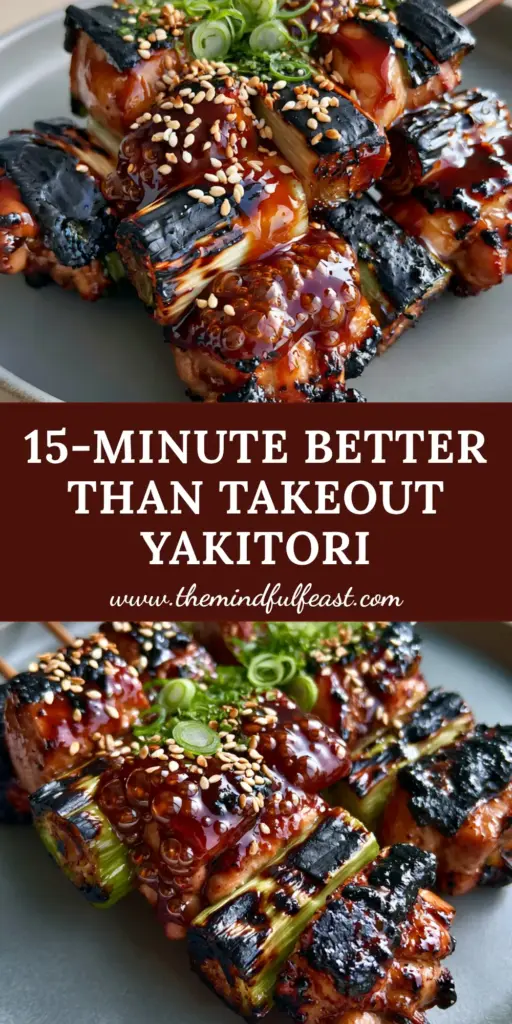
This recipe brings the atmosphere of a smoky Tokyo yakitori-ya directly to your kitchen. We have meticulously designed this guide to ensure your result looks exactly like a professional handheld photo: five skewers resting on a matte ceramic plate, gleaming with visible bubbles in the glaze and a vibrant dusting of fresh aromatics.
Whether you are a fan of spicy West African skewers or you prefer the punchy aromatics of Thai street food flavors, this Japanese classic will become a staple in your rotation. The secret lies in the reduction of the sauce and the specific layering of the glaze during the final stages of grilling.
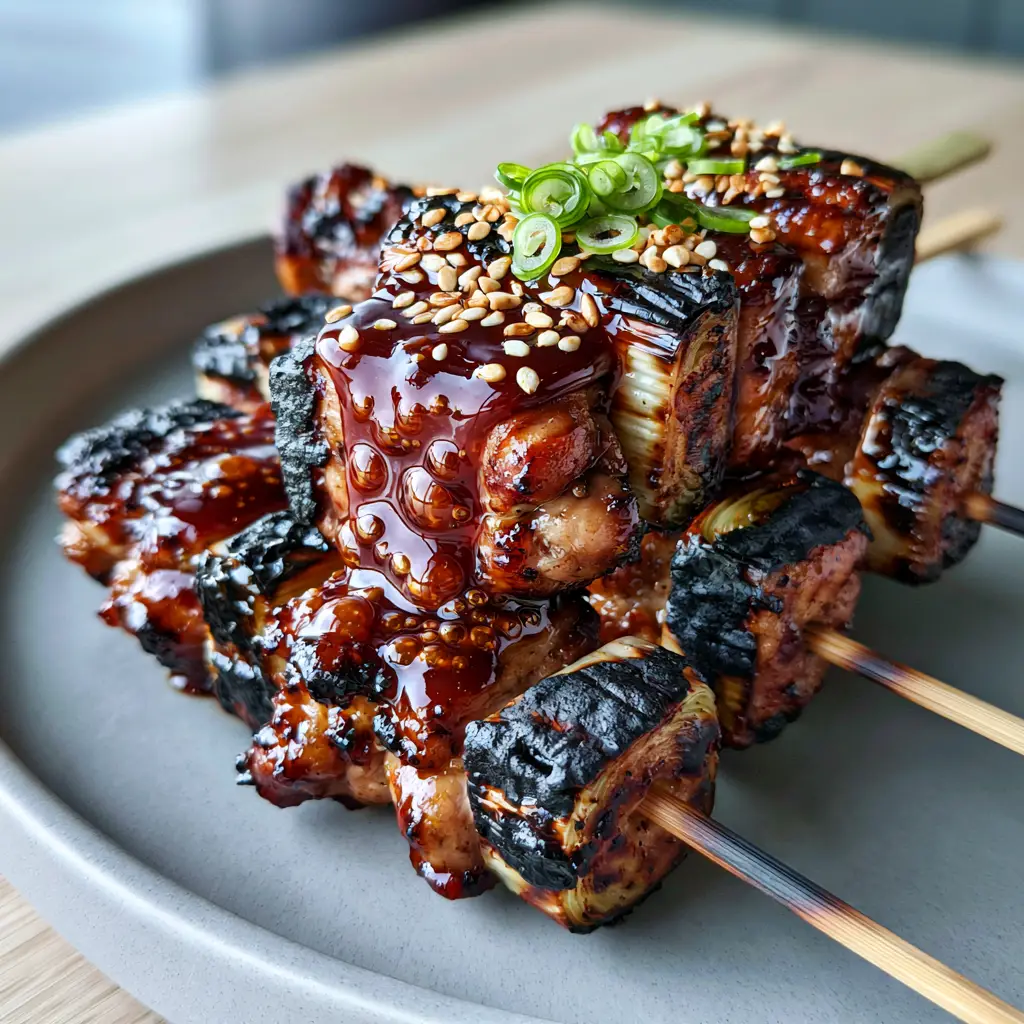
The Visual Allure of Authentic Negima Yakitori
- The Mahogany Glaze: A deep, dark, and glossy finish that clings to the meat, showing tiny bubbles from the intense heat of the grill.
- Charred Scallion Contrast: One-inch segments of scallion that are blackened on the edges but remain sweet and tender in the center.
- Succulent Thigh Chunks: Unlike breast meat, chicken thighs provide the necessary fat to stand up to high-heat searing without drying out.
- The Final Flourish: A precise scatter of toasted white sesame seeds and paper-thin fresh green onion rounds for texture and brightness.
The Essential Elements for Authentic Negima Style
Boneless Skinless Chicken Thighs: 1.5 lbs (680g). You need the higher fat content of thighs to achieve that juicy interior and the “bubbling” fat appearance described in the visual prompt.
Large Scallions (Green Onions): 2 bunches. We will be using the white and light green parts cut into 1-inch (2.5cm) segments to provide a sturdy structure for the skewers.
Soy Sauce: 1/2 cup (120ml). This provides the salty base and the dark pigment essential for that mahogany finish.
Mirin: 1/2 cup (120ml). A Japanese sweet rice wine that contributes to the high-gloss shine and a subtle, refined sweetness.
Sake: 1/4 cup (60ml). The alcohol in sake helps tenderize the chicken proteins and adds a complex umami depth to the tare.
Brown Sugar: 2 tbsp (25g). This increases the viscosity of the sauce, allowing it to caramelize and form those signature heat bubbles on the grill.
Fresh Ginger & Garlic: 1 tsp (5g) each, smashed. These are foundational “invisible” aromatics that infuse the tare during the simmering process but are strained out for a smooth, glossy finish.
Neutral High-Smoke Point Oil: 1 tbsp (15ml). Used to lightly coat the grill or pan to prevent the chicken skin/meat from sticking during the initial sear.
Tools for Achieving the Perfect Char
To replicate the sharp focus on the sticky texture and succulent sear seen in our visual blueprint, you will need bamboo skewers. Make sure to soak these in water for at least 30 minutes to prevent them from burning into ash under the high heat.
A heavy cast-iron grill pan or a charcoal grill is highly recommended. The goal is to achieve deep black char marks on the edges of the meat and scallions, which requires a surface that can retain and distribute intense, even heat.
Finally, a high-quality pastry brush is non-negotiable. Achieving a “thick glossy mahogany” look requires multiple layers of glaze applied at specific intervals during the cooking process.
Mastering the Grill: The Step-by-Step Glazing Technique
1. Crafting the Mahogany Tare Sauce
In a small saucepan, combine the soy sauce, mirin, sake, brown sugar, smashed ginger, and garlic. Bring the mixture to a gentle boil over medium-high heat, then reduce to a simmer.
Let the sauce reduce by nearly half until it reaches a syrupy consistency that coats the back of a spoon. This reduction is what transforms a thin liquid into the thick, dark glaze that defines the Chicken Yakitori aesthetic.
2. Preparing the Skewers
Cut the chicken thighs into uniform 1-inch (2.5cm) chunks. Uniformity is key for even cooking and a professional visual presentation on the plate.
Thread the chicken and 1-inch (2.5cm) scallion segments onto the soaked bamboo skewers, alternating between the two. You should aim for five skewers, each starting and ending with a piece of chicken for stability.
3. The Initial Sear and Char
Preheat your grill or cast-iron pan to medium-high heat and lightly grease with neutral oil. Place the skewers down; you should hear an immediate, aggressive sizzle.
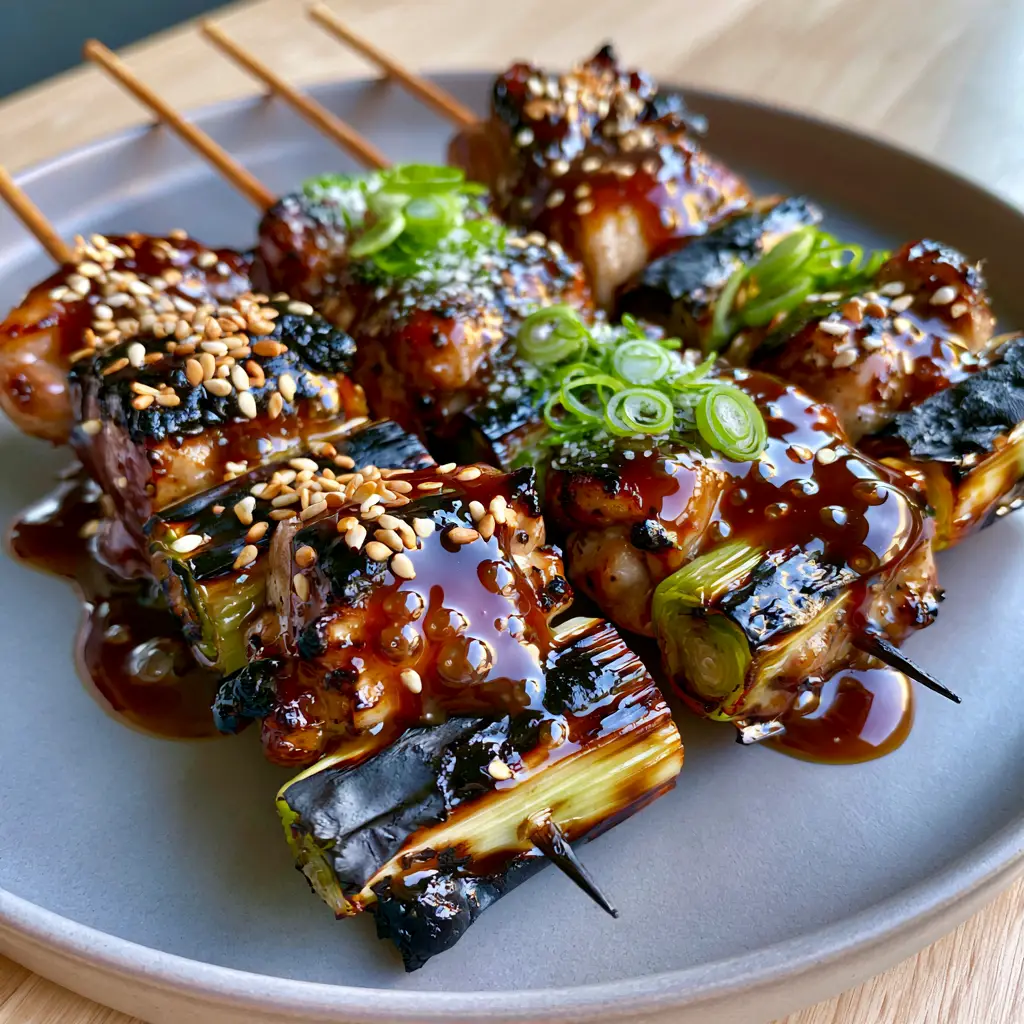
Grill the skewers for 3-4 minutes per side without touching them. This patience allows the Maillard reaction to work, creating those deep black char marks on the edges of the scallions and meat mentioned in our visual prompt.
4. The Multi-Layer Glazing Process
Once the chicken is almost cooked through, begin brushing the tare generously onto all sides of the skewers. The sugar in the sauce will begin to caramelize almost instantly.
Repeat the brushing every 60 seconds for the final 3 minutes of cooking. Look for the sauce to start bubbling and thickening into a sticky, mahogany-colored coating that looks wet and reflective under the light.
Expert Tips for Success
- Don’t Overcrowd: Give each skewer space so the heat can circulate, ensuring the scallions char rather than steam.
- The Double Dip: If you want an extra thick glaze, dip the entire skewer into the sauce container for the final coat before the last 30 seconds of heat.
- Savor the Fat: If your chicken thighs have a bit of skin attached, leave it on! The rendered fat mingles with the tare to create a superior flavor profile similar to Korean-style glazes.
- Temperature Control: If the sauce starts to smoke too much or turn bitter, slightly lower the heat; you want caramelization, not carbonization.
Storage, Reheating & Freezing
Chicken Yakitori is best enjoyed fresh off the grill while the glaze is still tacky and bubbling. However, leftovers can be stored in an airtight container for up to 3 days in the refrigerator.
To reheat, avoid the microwave as it will make the chicken rubbery. Instead, place the skewers in a 350°F (175°C) oven for 5-7 minutes, or give them a quick flash in a hot pan to regain some of the crispness of the char.
Freezing is not recommended for the finished skewers as the scallions lose their structural integrity. However, you can freeze the raw marinated chicken chunks and the tare sauce separately for up to 2 months.
What to Serve With Your Skewers
To balance the richness of the tare, serve these skewers alongside a light, refreshing side. A crunchy Asian salad or a simple bowl of steamed white rice is traditional.
If you are looking for a fusion-style meal, these skewers pair surprisingly well with a bright Mediterranean salad where the acidity of the dressing cuts through the sweet mahogany glaze of the yakitori.
Frequently Asked Questions
While you can use breast meat, thighs are highly recommended because their higher fat content allows the chicken to remain juicy under high heat and contributes to the ‘bubbling’ texture of the glaze.
No, while a Konro grill with Binchotan charcoal is traditional, you can achieve excellent results with a cast-iron grill pan or a standard gas/charcoal BBQ grill by maintaining high heat.
The key is reduction. You must simmer the soy, mirin, and sake mixture until it reduces by half. The sugars in the mirin and brown sugar provide the reflective, mahogany shine.
Yakitori is a general term for grilled chicken skewers. Negima specifically refers to skewers that alternate chicken meat with pieces of negi (Japanese long onion) or scallions.
You must soak bamboo skewers in water for at least 30 minutes before threading the meat. This hydrates the wood, allowing it to withstand the intense heat without catching fire.
The Complete Chicken Yakitori Recipe Card
Chicken Yakitori: The Ultimate Glossy Negima Recipe with Charred Scallions
Ingredients
Equipment
Method
- Combine soy sauce, mirin, sake, sugar, ginger, and garlic in a pan. Simmer until reduced by half into a thick mahogany glaze.
- Thread chicken chunks and 1-inch scallion segments onto soaked skewers, alternating between meat and vegetables.
- Grill skewers on high heat for 3-4 minutes per side until deep black char marks appear on the edges.
- Brush tare onto skewers repeatedly during the last 3 minutes of cooking until the sauce bubbles and turns glossy.
- Remove from heat, rest for 1 minute, then top with toasted sesame seeds and fresh green onion rounds.
Notes
Ensure the tare is reduced sufficiently to achieve that professional 'bubbling' look.
Bringing the Izakaya Home
Mastering Chicken Yakitori is a rewarding journey into the heart of Japanese soul food. The combination of the salt-sweet tare and the smoky char of the scallions creates a sensory experience that is hard to beat. By focusing on the visual cues—the bubbling sauce, the dark mahogany color, and the sharp char—you can produce a dish that looks as good as it tastes.
If you enjoyed this deep dive into grilling techniques, please leave a comment below or share your results with us! Be sure to follow us on Pinterest for more visually-driven recipe inspiration.