When the Mediterranean sun reaches its zenith, Greek kitchens transform into aromatic sanctuaries of slow-roasted perfection. Gemista, which translates literally to “stuffed” or “filled,” is the undisputed queen of the summer table, representing the pinnacle of the farm-to-table philosophy. This recipe isn’t just a meal; it is a sensory journey that captures the essence of a sun-drenched afternoon in the Cyclades.
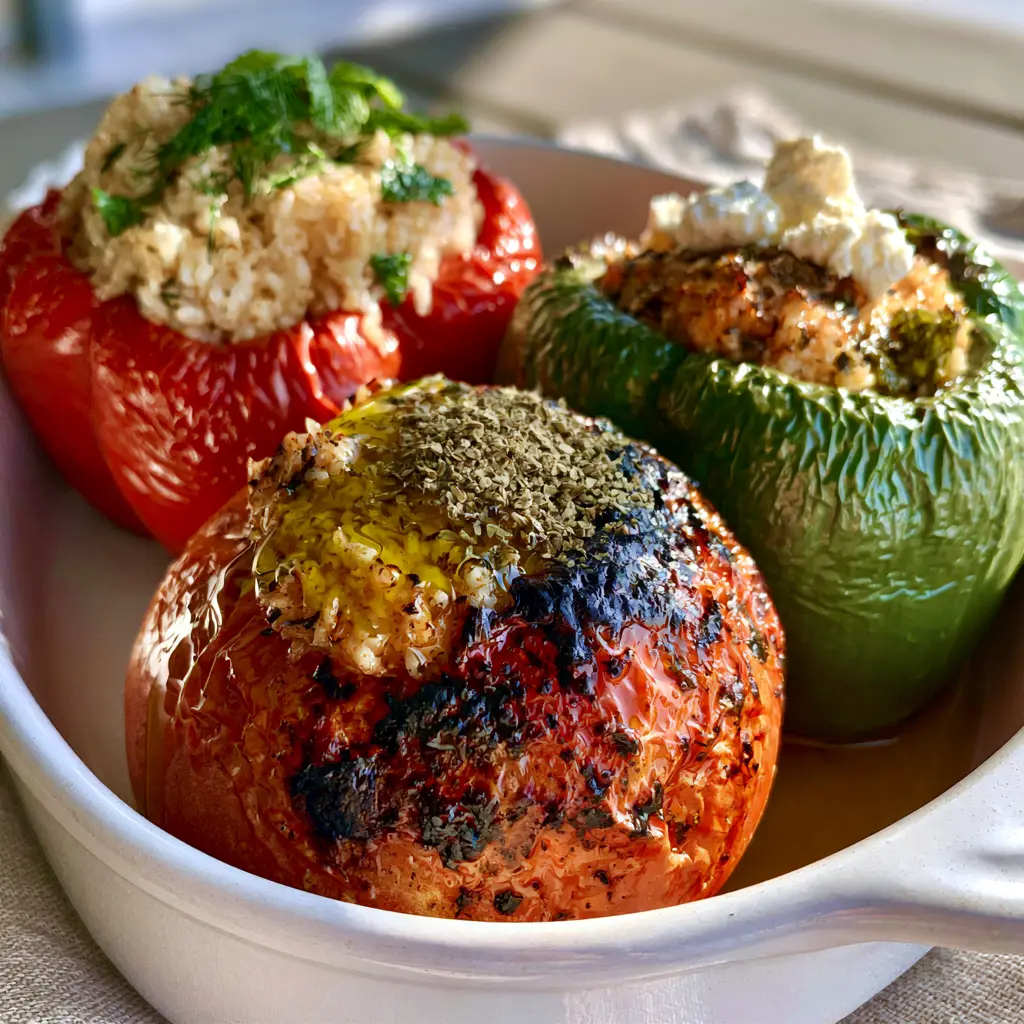
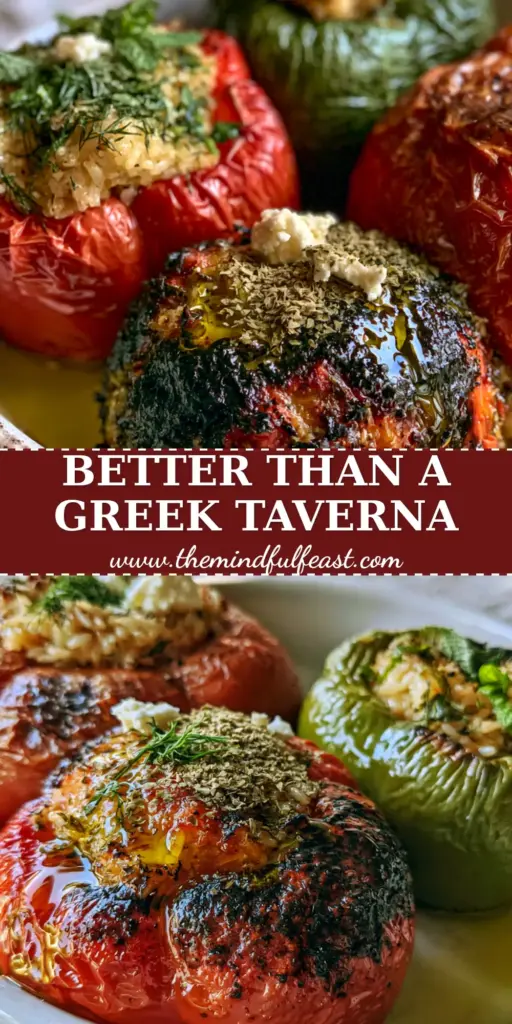
The visual allure of Gemista lies in the dramatic contrast between the vibrant, blistered vegetable skins and the herb-flecked, fluffy white rice bursting from within. Every bite offers a symphony of textures—from the soft, melting flesh of a roasted beefsteak tomato to the slightly charred, smoky edges of an emerald green bell pepper. Topped with creamy feta and a dusting of dried oregano, this dish is a testament to the power of simple, high-quality ingredients.
Our approach ensures your Gemista achieves that iconic “handheld smartphone photo” quality. We focus on achieving the perfect sear, the most aromatic herb blend, and that essential golden extra virgin olive oil drizzle that makes the vegetable skins glisten under the light. Whether you are a seasoned pro or a curious home cook, this guide will help you master the art of the Greek stuffed vegetable.
The Visual and Culinary Architecture of Perfect Gemista
Authentic Gemista relies on a delicate balance of moisture, fat, and aromatics. To achieve the professional results seen in our visual blueprint, we focus on several key pillars of Mediterranean cooking science.
- Blistered Perfection: High-heat roasting ensures the bell peppers develop charred spots, which provide a deep, smoky undertone that balances the sweet acidity of the vegetables.
- Herb-Flecked Fluffiness: By using medium-grain rice and precise liquid ratios, the filling remains moist and tender without ever becoming a gummy mash.
- The Golden Drizzle: Extra virgin olive oil acts as a heat conductor, allowing the skins to “fry” slightly in the oven for that high-gloss, professional finish.
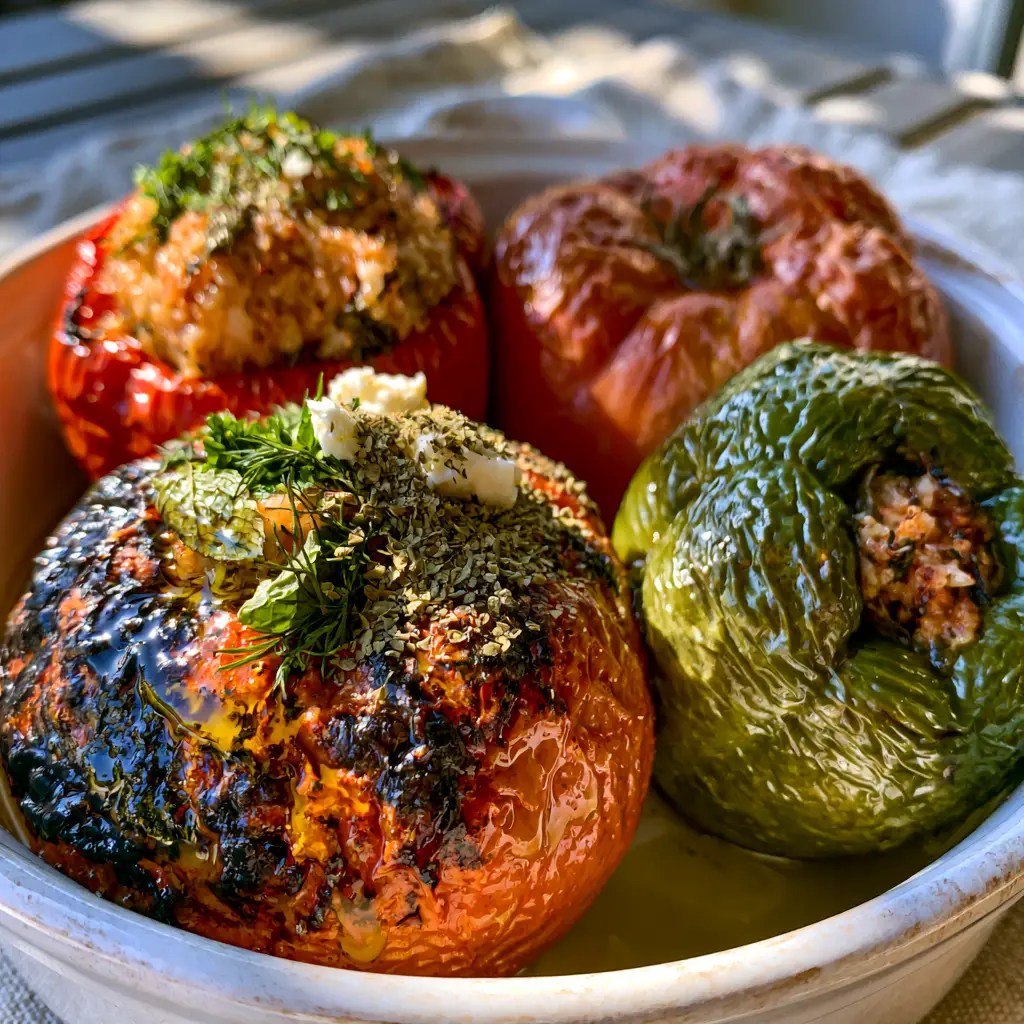
- Structural Integrity: We tuck roasted potato wedges between the vegetables to act as “buttresses,” keeping the peppers upright while they soak up the delicious pan juices.
The Anatomy of Ingredients: Choosing the Best Produce
Large Bell Peppers (Red and Green): You need peppers with flat bottoms that can stand independently. The red peppers offer a fruity sweetness, while the green ones provide a grassy, slightly bitter counterpoint that is essential for complexity.
Beefsteak Tomatoes: These are the workhorses of the Gemista world. Their thick walls hold their shape during long roasting, while their abundant juice becomes the base for the rice-cooking liquid.
Medium-Grain White Rice: Use a variety like Arborio or Greek Karolina. These grains absorb the tomato juices while maintaining enough starch to stay fluffy rather than falling apart like long-grain varieties.
Fresh Herb Trio (Dill, Mint, Parsley): This is the soul of the dish. The dill provides a lemony anise note, the mint adds cooling brightness, and the flat-leaf parsley grounds the mixture with earthy depth.
Extra Virgin Olive Oil (EVOO): Do not skimp here. Use a high-quality, cold-pressed oil to achieve the glistening skins and rich mouthfeel characteristic of authentic Greek cuisine.
Feta Cheese and Dried Oregano: Crumbled white feta provides a salty, tangy punch that cuts through the richness of the oil, while dried Greek oregano adds a floral, peppery finish.
Starchy Potato Wedges: These are more than just a side; they roast in the juices of the stuffed vegetables, becoming creamy on the inside and crispy on the edges.
Essential Equipment for Mediterranean Roasting
To achieve the rustic look of our Midjourney prompt, you will need a rustic white ceramic baking dish or a heavy-duty stainless steel pot that can handle high oven temperatures. A sharp paring knife is crucial for de-seeding the peppers without piercing the outer walls.
A high-quality box grater is also necessary to process the tomato pulp. This technique ensures you capture all the juice and flesh while discarding the tough skins, creating a natural sauce that infuses every grain of rice with flavor.
The Step-by-Step Blueprint for Stuffed Perfection
Preparing the Vegetable Vessels
Start by slicing the tops off your bell peppers about 1/2 inch (1.25cm) from the stem, keeping the “lids” for later. Carefully remove the seeds and white membranes using a spoon, being careful not to puncture the bottoms.
For the beefsteak tomatoes, slice the tops off and use a spoon to scoop out the flesh into a bowl. Grate the tomato pulp using a box grater until only the thin skin remains in your hand; discard the skin and save all the liquid pulp for the filling.
Crafting the Aromatic Rice Filling
In a large skillet, sauté finely minced onions and garlic in a generous amount of olive oil until translucent. Stir in the medium-grain rice, toasting it for 2 minutes until the edges are translucent, similar to the start of a risotto.
Add the grated tomato pulp, a splash of water, and half of your chopped mint, dill, and parsley. Simmer for only 5-7 minutes; the rice should still be firm (al dente) because it will finish cooking inside the vegetables.
The Assembly and Vertical Positioning
Season the inside of each vegetable shell with a pinch of salt and a tiny dusting of sugar to balance the acidity. Spoon the rice mixture into the vegetables, filling them only 3/4 of the way to allow for the rice to expand and become fluffy.
Place the “lids” back on the peppers and tomatoes. Arrange them snugly in your ceramic baking dish. Wedge the potato skins between the vegetables to hold them upright and ensure even heat distribution.
Achieving the Perfect Blistered Char
Drizzle a heavy stream of extra virgin olive oil over the entire dish, ensuring the vegetable skins are well-coated. Pour 1 cup (240ml) of water or vegetable broth into the bottom of the pan to create a steaming environment.
Bake at 400°F (200°C) for about 60 to 75 minutes. You are looking for the “Visual Cue” of the pepper skins collapsing slightly and developing dark, charred “blisters” while the potatoes become golden brown.
Expert Tips for Success from a Professional Kitchen
- The Expansion Rule: Never pack the rice tightly. If the rice doesn’t have room to grow, it will remain hard in the center even after two hours of roasting.
- The Resting Phase: Gemista is actually better when served warm or at room temperature. Let the dish rest for at least 30 minutes after taking it out of the oven to allow the flavors to meld and the juices to be reabsorbed.
- Sugar is Secret: A tiny pinch of sugar rubbed inside the tomato shells transforms the flavor, neutralizing the metallic edge of the roasted tomato acid.
- Herb Freshness: Only chop your dill and mint seconds before adding them to the rice to prevent oxidation and keep the “green bits” vibrant in the final presentation.
How to Store and Reheat Your Gemista
Gemista is the ultimate “leftover” food. Store any remaining stuffed vegetables in an airtight container in the refrigerator for up to 4 days. In fact, many Greeks prefer eating this dish the next day when the rice has fully matured in the vegetable juices.
To reheat, place the vegetables in a small baking dish with a tablespoon of water and cover with foil. Warm in a 350°F (175°C) oven until heated through. Avoid the microwave if possible, as it can make the delicate pepper skins rubbery.
What to Serve With Authentic Greek Stuffed Vegetables
This dish is quite hearty on its own, but it pairs beautifully with other Mediterranean staples. A crisp Greek cucumber salad provides a refreshing temperature and texture contrast to the warm, soft vegetables.
If you’re looking for more vegetable-forward sides, consider serving it alongside a baked zucchini spinach and feta casserole. For those who want to keep the meal light, a simple hearts of palm salad offers a bright acidity that cleanses the palate between bites of rich, oily rice.
Frequently Asked Questions
Absolutely! Simply omit the feta cheese topping or replace it with a plant-based alternative. The core of Gemista is naturally vegan and full of Mediterranean flavor.
The key is the par-cooking step for the rice and using high heat (400°F/200°C). This allows the vegetable skins to blister and excess moisture to evaporate, leaving a concentrated flavor.
No, you need the tomato skin to act as the vessel. However, grating the pulp for the filling and discarding the remaining thin skin ensures a smooth, juice-rich rice mixture.
Medium-grain white rice, such as Arborio or Greek Karolina, is best. It absorbs the vegetable juices while remaining fluffy and moist, unlike long-grain rice which can become too dry.
It is normal for the peppers to soften and collapse slightly—this is a sign of a well-roasted Gemista. Tucking potato wedges between them helps maintain their vertical structure.
Authentic Blistered Gemista with Herb-Flecked Rice
Gemista: The Ultimate Guide to Authentic Greek Stuffed Vegetables
Ingredients
Equipment
Method
- Cut tops off peppers and tomatoes. Hollow out peppers. Grate tomato flesh into a bowl, discarding the skin.
- Sauté onion and garlic in oil. Add rice and toast. Stir in tomato pulp and half the herbs. Simmer for 5 mins until par-cooked.
- Fill vegetables 3/4 full with rice. Place lids on. Arrange in dish with potato wedges tucked between them.
- Drizzle heavily with EVOO. Bake at 400°F (200°C) for 60-75 mins until vegetable skins are blistered and charred in spots.
- Top with crumbled feta and dried oregano before serving.
Notes
Let the dish rest for 30 minutes before serving to allow juices to settle.
Join the Mediterranean Feast!
There is nothing quite like the aroma of roasting peppers and fresh mint wafting through a home. We hope this Gemista recipe brings a touch of Greek sunshine to your kitchen. The combination of charred skins, fluffy rice, and salty feta is a culinary experience you won’t soon forget.
If you enjoyed this recipe, please leave a comment below and let us know how your vegetable blistering turned out! Don’t forget to follow us on Pinterest for more authentic Mediterranean inspiration and share your photos with our community.