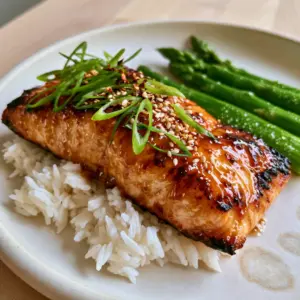
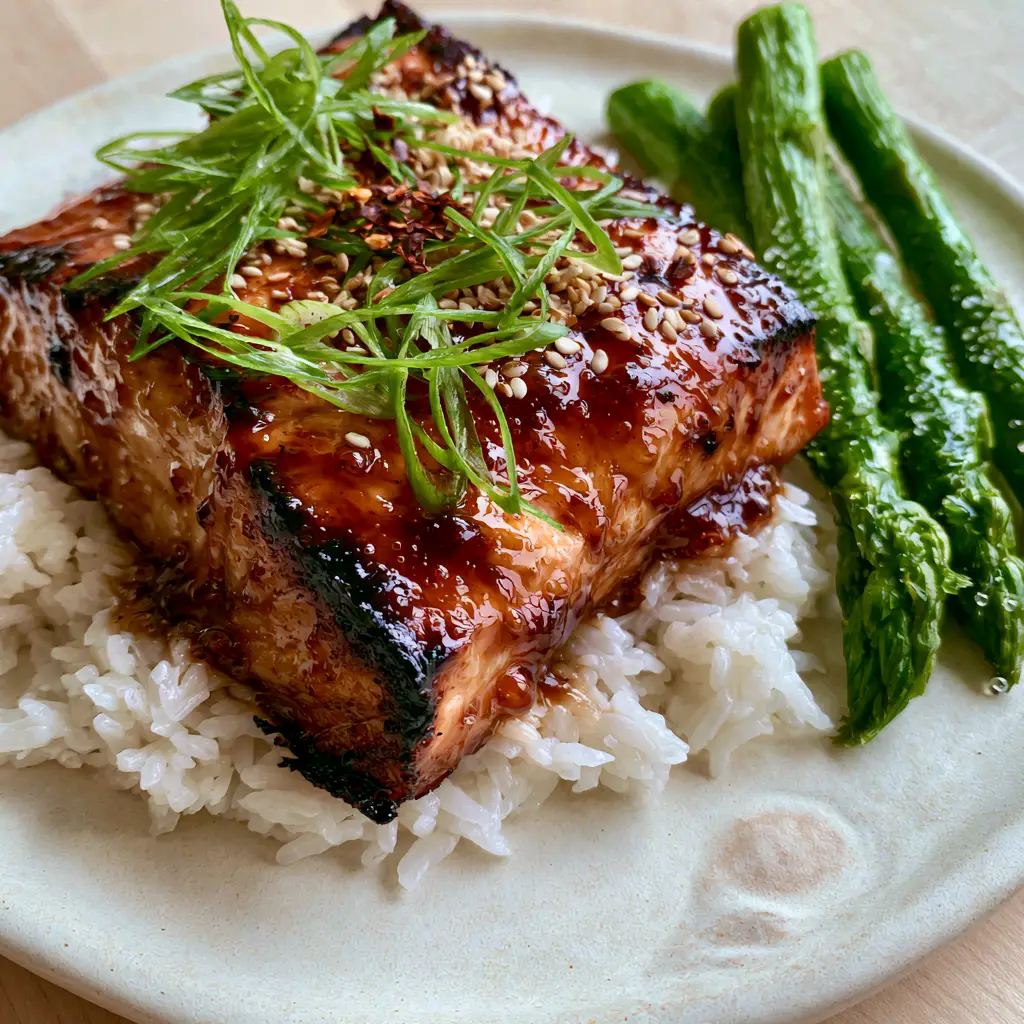
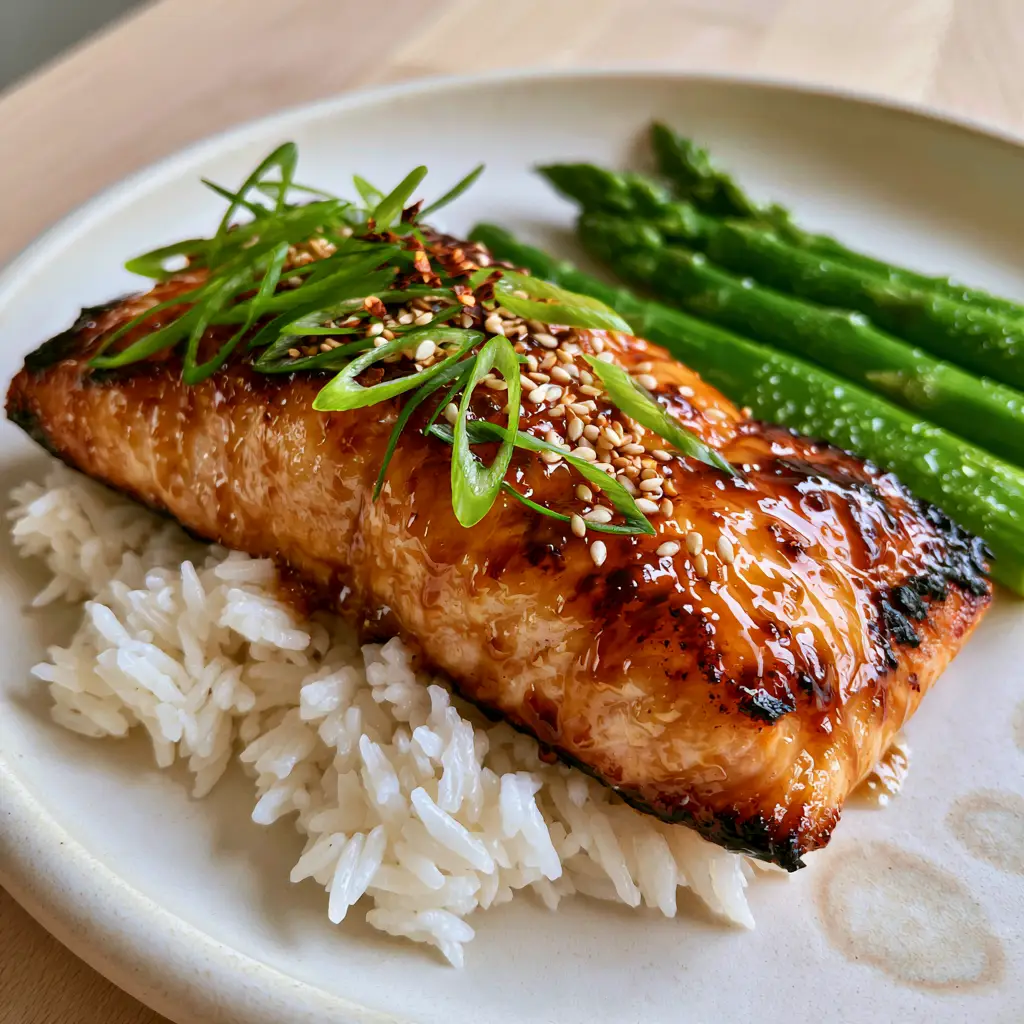
There is a specific culinary magic that happens when high-quality Atlantic salmon meets a blistering hot pan and a viscous, sweet-and-savory glaze. This honey glazed salmon isn’t just a meal; it is a masterclass in texture and temperature, designed to mimic the high-end food blog aesthetic you see in professional food photography. Imagine a thick, succulent fillet where the edges have transitioned into a deep amber, slightly charred crust, while the interior remains buttery and tender.
The visual appeal of this dish is undeniable, featuring a sticky honey garlic glaze that bubbles and glistens under the light. Served over a bed of fluffy, steamed jasmine rice and accompanied by vibrant green, snap-crisp asparagus, it offers a balanced profile of flavors. Whether you are cooking for a special occasion or a weeknight treat, this recipe delivers a restaurant-quality experience in under thirty minutes.
Why This Sticky Garlic Salmon Recipe Works
- Textural Contrast: The combination of the caramelized charred edges and the flaky, succulent interior of the Atlantic salmon creates a professional mouthfeel.
- Viscosity Control: We use a specific honey-to-soy ratio to ensure the glaze is thick enough to coat the back of a spoon and “bubble” when basted.
- Vibrant Nutrition: The bright green asparagus stalks, steamed just until snap-crisp, provide a fresh counterpoint to the rich, savory fish.
- Aromatic Garnishes: Fresh scallions, toasted sesame seeds, and red chili flakes add layers of heat, crunch, and onion-bright notes.
The Essential Elements for a Glistening Honey Glaze
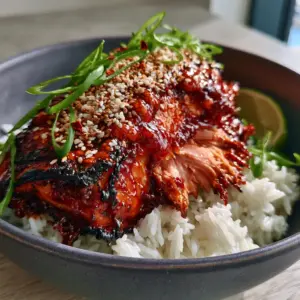
To achieve the deep amber color and sticky consistency seen in the visual blueprint, we need a combination of sugars, aromatics, and acids. The honey provides the base for caramelization, while the garlic infuses the oil during the searing process. If you prefer a bit more heat, you might also enjoy our spicy gochujang honey glazed salmon for a Korean-inspired twist.
Atlantic Salmon Fillets: Look for thick-cut fillets (about 1.5 inches or 3.8cm thick) with vibrant color and firm texture to ensure they don’t overcook during the searing phase. The thickness is vital for achieving that succulent, flaky interior while the outside chars.
Raw Honey: Use 1/4 cup (85g) of high-quality honey. The natural sugars are what create the bubbling, glistening effect under heat and allow the edges to caramelize into a deep amber hue.
Fresh Garlic Cloves: 3 cloves (15g), finely minced. Garlic provides the savory backbone that prevents the honey from being cloyingly sweet, creating a sophisticated honey garlic profile.
Jasmine Rice: 1 cup (185g) dry jasmine rice. This aromatic long-grain rice acts as a neutral, fluffy sponge to soak up the extra honey garlic glaze that drips from the fish.
Fresh Asparagus: 6-8 stalks (approx 200g) of bright green asparagus. These should be trimmed and steamed quickly to maintain their snap-crisp texture and vibrant color.
Foundational Additions: You will also need 1 tbsp (15ml) of neutral high-smoke point oil (like avocado oil) for searing and a pinch of kosher salt to draw out the natural flavors of the fish. These “invisible” ingredients are scientifically required to achieve the Maillard reaction.
Tools Required for Culinary Success
To recreate the macro close-up aesthetic of this honey glazed salmon, you need the right heat distribution. A heavy-bottomed stainless steel or cast-iron skillet is preferred over non-stick if you want those truly charred, caramelized edges. The metal-to-protein contact is what facilitates the deep browning.
You will also need a steamer basket for the asparagus. This ensures the stalks remain vibrant green and don’t turn mushy or brown, which would ruin the visual contrast of the dish. A sharp chef’s knife is essential for the “precise scattering” of thin-sliced green onions.
Mastering the Perfect Pan-Sear and Glaze
Preparing the Salmon and Rice
Start by rinsing your jasmine rice under cold water until the water runs clear. Cook the rice using a 1:1.5 ratio of rice to water (1 cup rice to 1.5 cups water or 350ml). Once cooked, keep the lid on to let it steam; this ensures the “fluffy white” appearance described in the Midjourney prompt.
Pat the salmon fillets extremely dry with paper towels. Any surface moisture will create steam instead of a sear, preventing the deep amber crust from forming. Season lightly with salt just before they hit the pan.
The Searing Technique for Charred Edges
Heat your oil in the skillet over medium-high heat until it begins to shimmer. Place the salmon fillets in the pan, meat-side down first. Do not move them for 3-4 minutes; this patience is what creates the “perfectly seared and slightly charred” edges.
Flip the salmon carefully. At this point, the fish should be about 70% cooked through. The exterior should be golden-brown and the flesh should be starting to turn opaque at the thickest part.
Reducing the Honey Garlic Glaze
Lower the heat to medium and add the minced garlic to the pan, stirring for 30 seconds until fragrant. Pour in the honey and a splash of soy sauce or water (1 tbsp / 15ml) to deglaze the pan. Use a spoon to continuously baste the salmon fillets with the liquid.
Watch for the “sensory cues”: the glaze will begin to foam and bubble aggressively as the water evaporates and the sugars concentrate. Stop basting once the glaze is thick, sticky, and clings to the fish in a succulently glistening layer.
Steaming the Snap-Crisp Asparagus
While the salmon rests for 2 minutes, steam the asparagus for exactly 3-4 minutes. You are looking for a vibrant green color and a “snap” when bitten. Tiny droplets of moisture should remain on the stalks, as seen in the high-end food blog aesthetic.
Expert Tips for High-End Presentation
- The Resting Period: Always let the salmon rest for a few minutes before serving. This allows the juices to redistribute, ensuring the “succulent” texture when you flake it with a fork.
- Garnish Precision: Use a bias cut (diagonal) for the green onions. This increases the surface area and makes the garnish look more professional on the matte off-white ceramic plate.
- Glaze Viscosity: If the glaze becomes too thick or “tacky,” add a teaspoon of hot water to loosen it back to a glistening, pourable state.
- Visual Side-Lighting: If you are photographing your meal, place the plate near a window to catch the “natural side-lighting” that highlights the bubbling texture of the glaze.
Flavor Pairings and Serving Suggestions
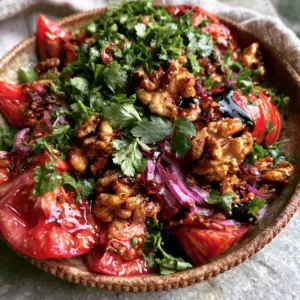
While jasmine rice is the classic pairing for honey glazed salmon, you can elevate the meal with a fresh side. A Tuscan artichoke and tomato salad offers a bright acidity that cuts through the richness of the honey garlic sauce. Alternatively, a tomato and walnut salad adds a nutty crunch that complements the toasted sesame seeds used as a garnish.
For dessert, consider something creamy and cool to reset the palate, such as our unique banana pudding tiramisu. The soft textures of the dessert provide a lovely finish after the charred and flaky salmon dinner.
Storing and Reheating Instructions
Leftover honey glazed salmon can be stored in an airtight container in the refrigerator for up to 2 days. To maintain the succulent texture, reheat the salmon in a pan over low heat with a splash of water and a lid, rather than using a microwave, which can toughen the proteins.
The jasmine rice is best enjoyed fresh, but if reheating, add a damp paper towel over the bowl to retain moisture. The asparagus is best consumed immediately, as it will lose its snap-crisp texture and vibrant green color upon reheating.
Frequently Asked Questions
Yes, but you must thaw it completely and pat it extremely dry with paper towels. Frozen salmon often retains more moisture, which can prevent the honey glazed salmon from developing those signature charred edges.
The bubbling effect occurs when the water content in the honey and soy sauce evaporates, leaving behind concentrated sugars. Baste the salmon continuously over medium heat until the liquid reduces and thickens.
Honey has a low burn point. Ensure you only add the honey glaze after the salmon has been flipped and the heat has been lowered to medium. Continuous basting also helps regulate the temperature of the sugars.
Overcooking is the main culprit. To keep them ‘snap-crisp’ and vibrant, steam them for only 3-4 minutes and serve immediately, or shock them in ice water if preparing ahead of time.
The Ultimate Honey Glazed Salmon Recipe
Honey Glazed Salmon with Sticky Garlic Sauce and Snap-Crisp Asparagus
Ingredients
Equipment
Method
- Rinse jasmine rice and cook with 1.5 cups (350ml) of water until fluffy. Keep covered.
- Pat salmon fillets extremely dry with paper towels to ensure a proper sear.
- Heat oil in skillet over medium-high. Sear salmon meat-side down for 4 minutes until charred edges form.
- Flip salmon, add garlic and honey. Baste until glaze is bubbling, thick, and glistening.
- Steam asparagus for 3 minutes until vibrant green and snap-crisp with moisture droplets.
Notes
Baste constantly once honey is added to prevent burning while thickening the glaze.
Closing & Call to Action
This honey glazed salmon is a testament to how simple ingredients, when treated with professional technique, can result in a stunning, restaurant-quality dish. The combination of the sticky garlic glaze and charred Atlantic salmon is a flavor profile that never goes out of style. If you enjoyed this recipe, please leave a comment below and share your results! For more visual inspiration and dinner ideas, be sure to follow us on Pinterest.