Mastering the perfect Nigerian fried rice recipe is a rite of passage for any serious home cook exploring West African cuisine. Unlike its Asian counterparts, the Nigerian version is defined by its firm, individual grains of parboiled rice, a vibrant golden-yellow hue, and a savory depth that comes from a rich meat stock. When done correctly, the rice isn’t just a side dish; it is a masterpiece of textures, featuring succulent prawns, earthy beef liver, and a rainbow of crisp-tender vegetables.
In this comprehensive guide, we are going to bridge the gap between amateur cooking and the legendary “Party Rice” served at Nigerian celebrations. We will focus on achieving that specific visual profile: grains that are distinct and separate, coated in a light glistening sheen of vegetable oil, and speckled with perfectly diced carrots, green beans, and peas. Whether you are a seasoned pro or a curious beginner, this method ensures a result that looks exactly like a professional food photograph.
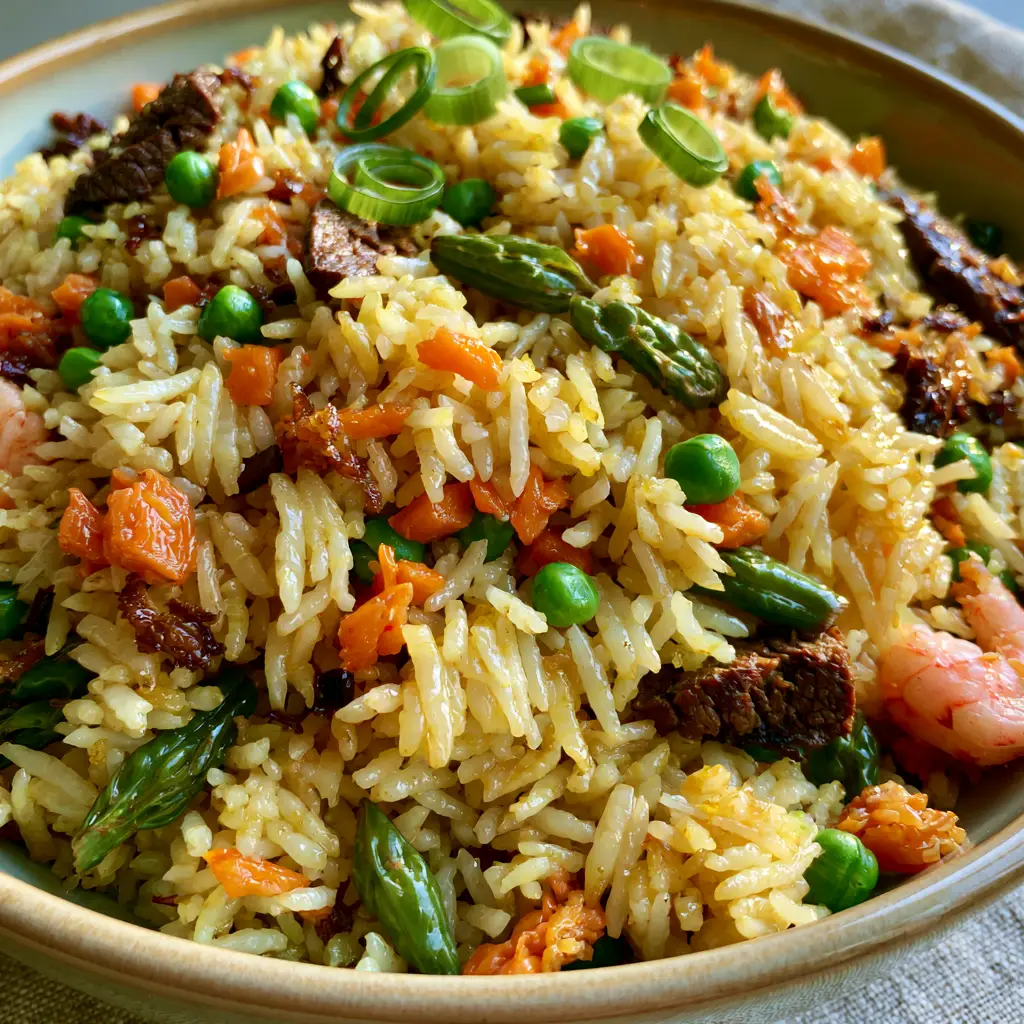
The Visual Allure of an Authentic Nigerian Fried Rice Recipe
What sets this Nigerian fried rice recipe apart is the visual and textural integrity of the ingredients. You are looking for a specific “glistening” quality where each grain of rice shines under the light without being greasy. The golden-yellow seasoning should be uniform, covering every grain without making them soggy.
- Individual Grain Definition: Using long-grain parboiled rice ensures the grains remain firm and separate, avoiding the clumpiness found in other varieties.
- Vibrant Color Palette: The contrast between the orange carrots, bright green peas, and the pink hues of succulent prawns creates high appetite appeal.
- Forensic Textures: Every bite should offer a different mouthfeel, from the soft snap of green beans to the slightly chewy, savory bits of browned beef liver.
- The Scallion Finish: Fresh scallion rings added at the very end provide a pop of raw green color and a sharp aromatic lift.
Essential Pantry Staples and Fresh Components
To achieve the authentic flavor profile, you need a balance of fresh produce and specific seasonings. The foundation of any Nigerian fried rice recipe is the quality of the stock and the type of rice used. Do not attempt this with jasmine or basmati if you want the traditional “party” texture; long-grain parboiled rice is non-negotiable.
Long-Grain Parboiled Rice: 3 cups (600g). This rice undergoes a steam-pressure process before milling, which gelatinizes the starch and ensures the grains stay separate after the final fry.
Beef Liver: 0.5 lb (225g). The liver provides an earthy, umami backbone that is traditional in Nigerian celebrations. It must be boiled and then finely diced to match the size of the vegetables.
Small Succulent Prawns: 1 cup (150g). These should be peeled and deveined. They cook quickly and add a luxurious seafood sweetness to the dish.
Vegetable Oil: 1/2 cup (120ml). High-quality vegetable oil is essential for that signature glistening coating. It carries the flavors of the curry and thyme across every grain.
Chicken or Beef Stock: 2 cups (480ml). This is where the flavor lives. A highly seasoned, homemade stock is preferred over water to cook the rice initially.
Curry Powder and Turmeric: 1 tbsp (6g) curry powder and 1 tsp (2g) turmeric. This combination provides the iconic golden-yellow color and a warm, aromatic scent.
The Vegetable Trio: 1 cup (150g) diced carrots, 1/2 cup (75g) green peas, and 1/2 cup (75g) snapped green beans. These provide the crunch and visual vibrancy essential to the blueprint.
Aromatics: 1 medium onion (diced), 2 cloves of garlic (minced), and 1 tsp (1g) dried thyme. These foundational flavors build the aromatic profile of the oil before the rice is added.
Fresh Scallions: 3-4 stalks, sliced into rings. These are for the final garnish, providing a fresh contrast to the cooked elements.
Professional Culinary Tools for the Ultimate Stir-Fry
Achieving the distinct grain separation described in our visual blueprint requires the right tools. A large wok or a very wide non-stick skillet is preferred. The wide surface area allows moisture to evaporate quickly, which prevents the rice from steaming and becoming mushy during the “frying” stage.
You will also need a fine-mesh strainer for rinsing the rice thoroughly. Removing excess surface starch is a critical step in ensuring the grains don’t stick together. A sharp chef’s knife is also vital for creating those precise, uniform dices of carrots and liver that make the dish look professionally styled.
The Foundation: How to Perfectly Parboil Nigerian Rice
The secret to a successful Nigerian fried rice recipe starts long before the wok hits the heat. You must parboil the rice correctly. Begin by rinsing 3 cups (600g) of rice under cold water until the water runs clear. This removes the surface starch that causes clumping.
Place the rinsed rice in a pot with 2 cups (480ml) of seasoned stock and 1 cup (240ml) of water. Add half of your curry powder and a pinch of salt. Bring to a boil, then reduce the heat to low, cover, and simmer. You want the rice to be “al dente”—cooked about 80% of the way through. It should still have a firm bite in the center. Once reached, spread the rice out on a large baking sheet to cool. This stops the cooking process and allows the surface to dry, which is key for a glistening finish.
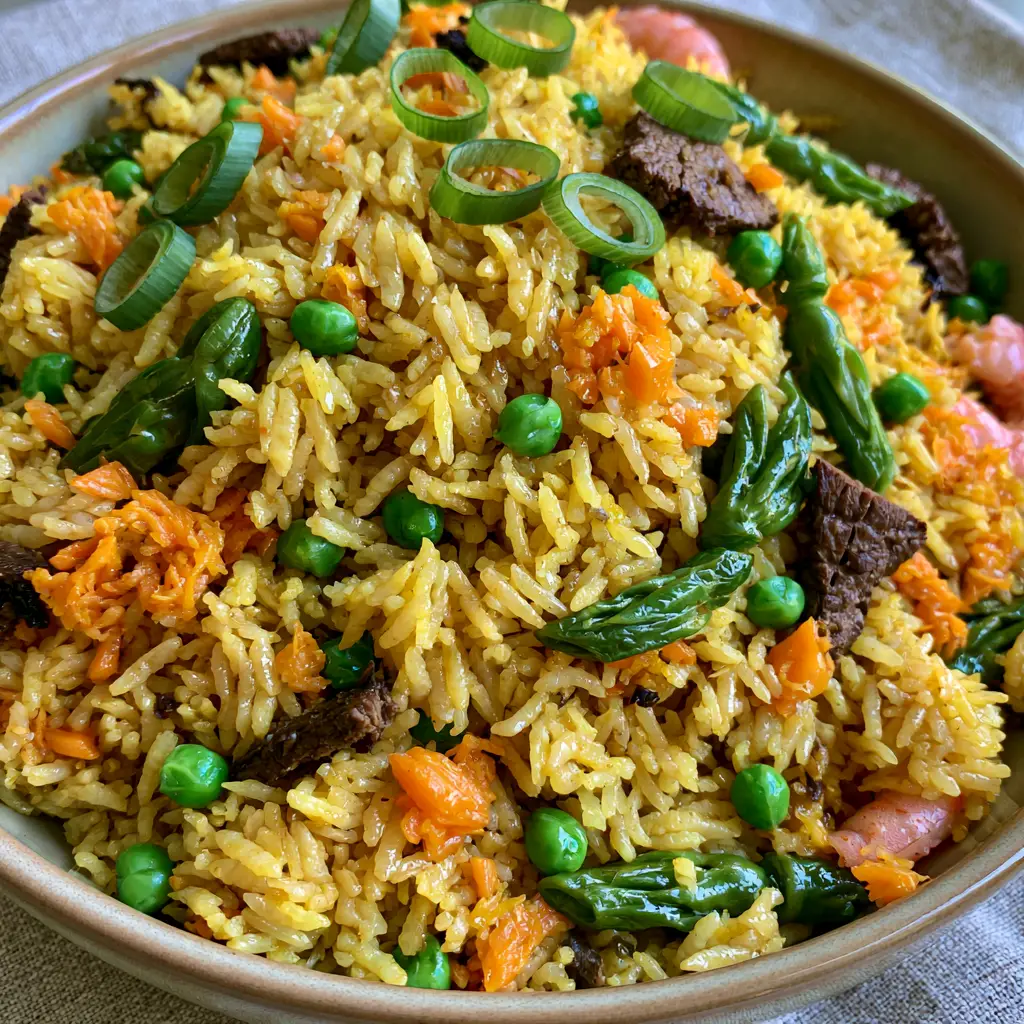
The Protein Prep: Searing Beef Liver and Succulent Prawns
While the rice cools, prepare your proteins. Boil the beef liver in seasoned water for about 10 minutes until cooked through. Once cool enough to handle, dice it into small, uniform cubes, roughly the size of a pea. Heat 1 tbsp (15ml) of oil in your wok and sear the liver bits until they develop a deep browned crust. Remove and set aside.
In the same pan, add the prawns. Season with a tiny pinch of salt and sear for 1-2 minutes per side until they turn pink and opaque. They should be succulent, not rubbery. Remove them immediately to prevent overcooking. If you enjoy diverse textures, you might also consider trying our shrimp rice bowl for a different take on seafood and grains.
The Sauté: Achieving Vibrant Veggies Without the Mush
Clean the wok and add 2 tbsp (30ml) of vegetable oil. Sauté the diced onions, minced garlic, and dried thyme until the onions are translucent and fragrant. Add the carrots and green beans first, as they take longer to soften. Stir-fry for 3-4 minutes over medium-high heat.
Add the green peas and the remaining curry powder and turmeric. The goal is to “wake up” the spices in the hot oil. The vegetables should be vibrant in color and tender-crisp. If they sit in the pan too long, they will lose their brightness, failing to match the vivid orange and green required by our visual blueprint. For a lighter vegetable-forward side, this dish pairs excellently with a refreshing cucumber salad.
The Final Integration: Frying in Batches for Maximum Flavor
This is the most critical stage of the Nigerian fried rice recipe. If you dump all the rice into the pan at once, the temperature will drop, and the rice will steam instead of fry. Divide your rice, vegetables, and proteins into two or three batches.
For each batch, add a little more oil to the wok. Toss in the rice and stir constantly over high heat. You want to hear a distinct “hissing” sound—this is the sound of the grains hitting the hot oil and developing that glistening coating. Incorporate the liver and prawns. Stir for 3-5 minutes until the rice is heated through and has absorbed the golden seasoning perfectly. Repeat with the remaining batches, then combine everything at the end for a final toss.
Expert Troubleshooting for Flawless Rice Every Time
- Soggy Rice: This usually happens if the rice was overcooked during the parboiling stage or if too much stock was used. Always aim for al dente. If it happens, spread the rice on a tray and refrigerate for an hour before frying.
- Dull Color: If your rice looks pale, your curry powder might be old, or you skipped the turmeric. Always bloom your spices in hot oil to release their full pigment.
- Lack of Flavor: The rice absorbs flavor from the stock. If your stock is weak, your rice will be bland. Use bouillon cubes if necessary to boost the savory profile.
- Burnt Liver: Because the liver bits are small, they can burn quickly. Keep them moving in the pan and remove them as soon as they are browned.
Storing and Reheating for Next-Day Deliciousness
Nigerian fried rice stores exceptionally well because the parboiled grains are sturdy. Place leftovers in an airtight container and refrigerate for up to 3 days. When reheating, avoid the microwave if possible, as it can make the prawns rubbery. Instead, toss the rice in a hot pan with a teaspoon of water or stock to re-hydrate the grains. If you’re looking for other meal-prep friendly options, check out our stuffed peppers recipe.
You can also freeze this dish for up to a month. To thaw, leave it in the fridge overnight and then stir-fry it briefly to restore the glistening texture and the firmness of the rice grains.
What to Serve Alongside Your Nigerian Fried Rice Recipe
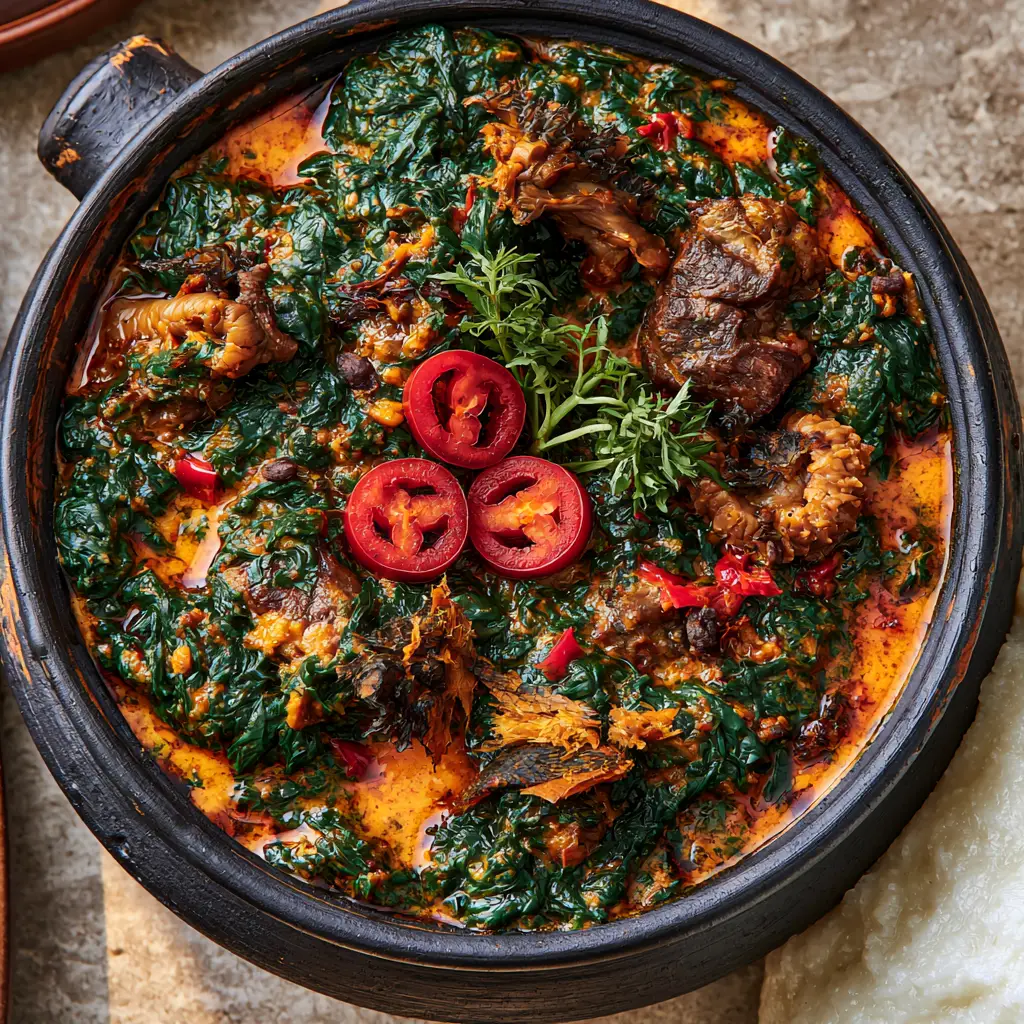
In a traditional Nigerian setting, this rice is rarely served alone. It is often part of a twin-offering alongside authentic Jollof rice. To complete the plate, add a piece of fried chicken, plantains, or a serving of traditional Egusi soup for a truly festive experience. If you are looking for something more fusion-inspired, the savory notes of the rice also complement a side of sizzling chicken fajitas.
While liver provides the traditional earthy flavor, you can substitute it with finely diced kidney, extra beef, or simply omit it if you prefer a milder taste.
The ‘party’ flavor comes from using a very rich meat stock (chicken or beef) to parboil the rice and stir-frying in small batches over high heat to achieve a slight smoky char.
Yes, parboiled rice retains more vitamins and minerals (like B vitamins and iron) than regular white rice due to the pressure-steaming process it undergoes before milling.
The iconic golden-yellow hue comes from a combination of high-quality curry powder and turmeric, bloomed in oil to release their natural pigments.
Mushiness is usually caused by over-parboiling the rice or using a soft variety like Jasmine. Ensure you use long-grain parboiled rice and cook it only until al dente before stir-frying.
Authentic Party-Style Nigerian Fried Rice
Nigerian Fried Rice Recipe: The Ultimate Guide to Authentic, Glistening Party Rice
Ingredients
Equipment
Method
- Rinse rice until water is clear. Simmer with stock and half the curry powder until 80% cooked (al dente). Spread on a tray to cool completely.
- Boil and dice liver. Sear liver in a wok until browned. Quickly sear prawns until pink and opaque. Set both aside.
- Sauté onions, garlic, and thyme. Add carrots and green beans, stir-frying until tender-crisp. Mix in peas and remaining spices.
- Fry rice in batches with oil over high heat until grains glisten. Fold in proteins and vegetables. Garnish with fresh scallions.
Notes
Use high heat to achieve the 'glistening' visual effect without making the dish greasy.
Conclusion and Join the Community
Creating this Nigerian fried rice recipe is an exercise in patience and precision. By focusing on the quality of your parboiled grains and the careful searing of your liver and prawns, you create a dish that is as visually stunning as it is delicious. The glistening golden grains and vibrant vegetables are sure to be the star of your next dinner party.
Did you achieve that perfect grain separation? We would love to see your results! Leave a comment below and share your cooking journey with us. Don’t forget to follow us on Pinterest and save this recipe to your favorite boards for later!