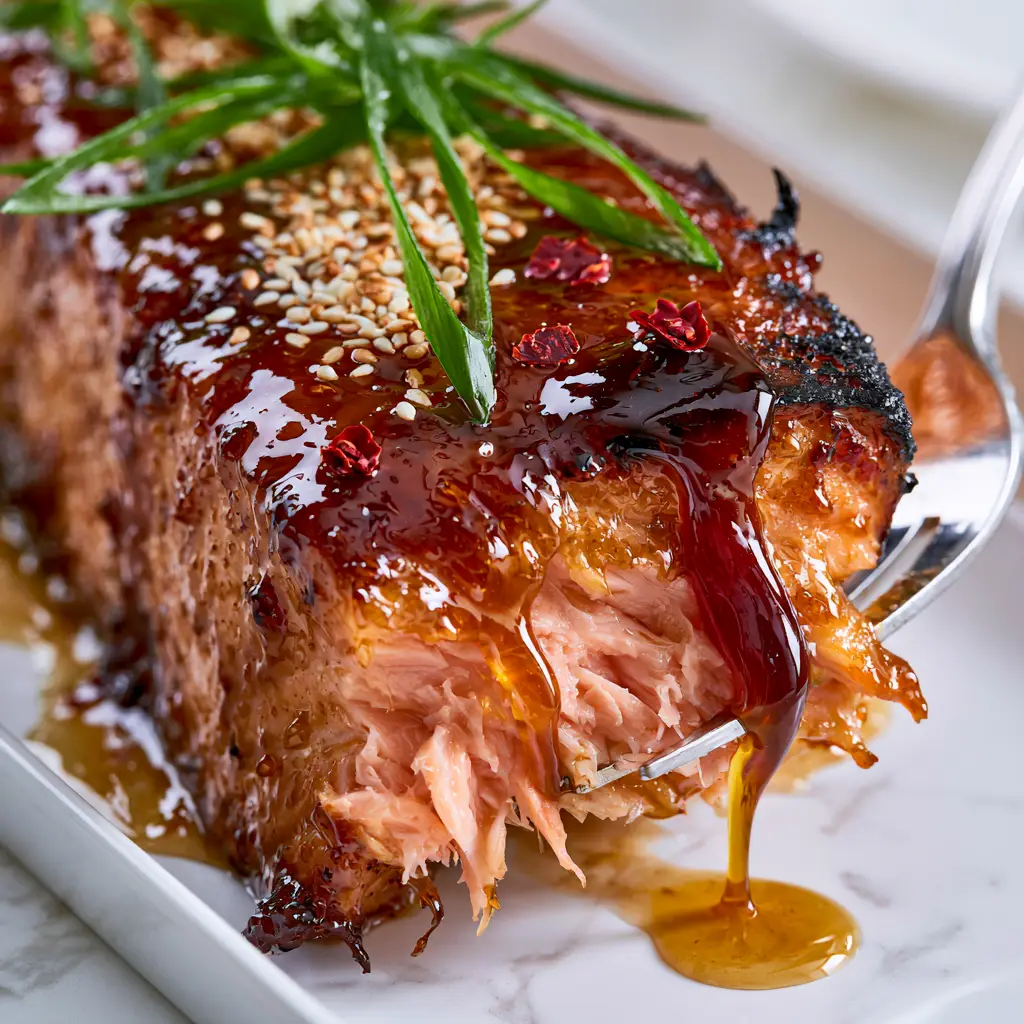
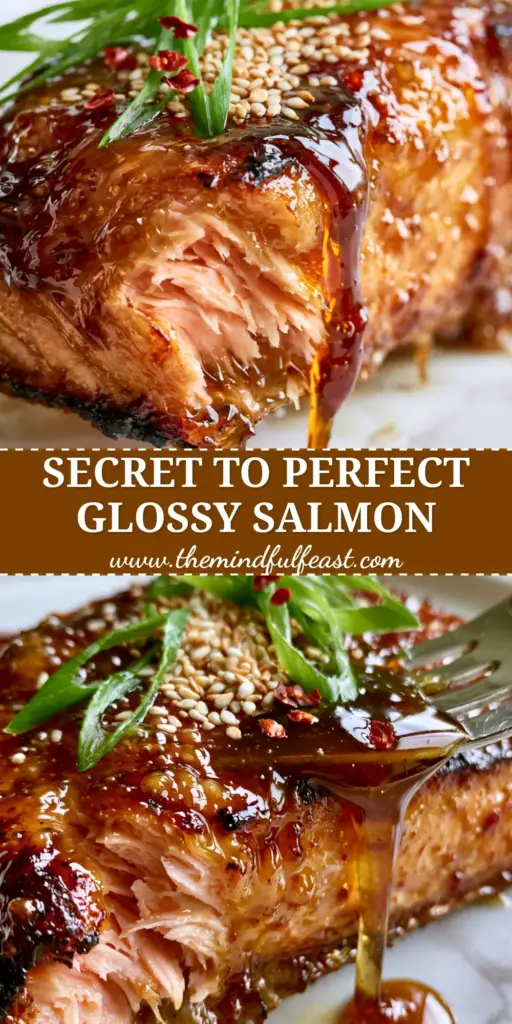
There is nothing quite like the sight of a perfectly prepared Atlantic salmon fillet. Imagine a thick, center-cut piece of fish where the edges are deeply charred and caramelized, contrasting against a moist, vibrant pink interior that flakes effortlessly at the touch of a silver fork. The star of the show, however, is the salmon marinade that transforms into a thick, amber honey garlic reduction, coating the fish in a reflective, mirror-like glaze that glistens under the light.
Achieving this level of culinary excellence at home isn’t just about the fish; it’s about the science of the sear and the chemistry of the reduction. This salmon marinade recipe is designed to bridge the gap between amateur home cooking and professional bistro results. We are focusing on high-impact aromatics and sugars that react beautifully with heat to create that syrupy, dark golden sauce you see mid-drip in the most mouth-watering food photography.
Why This Glistening Honey Garlic Salmon Works
- The Mirror-Like Finish: Using a high ratio of honey to aromatics allows the salmon marinade to emulsify into a reflective glaze that clings to the fish without running off.
- Textural Contrast: We utilize a high-heat pan-sear to achieve those coveted charred edges while maintaining a buttery, flaky interior.
- Visual Precision: From the paper-thin bias-cut scallions to the precise sprinkle of toasted white sesame seeds, every garnish serves a flavor and aesthetic purpose.
- Perfect Balance: The heat from the crushed red pepper flakes cuts through the richness of the Atlantic salmon and the sweetness of the honey.
The Essential Components for a Glistening Glaze
To achieve the visual and structural results of a professional dish, every ingredient in this salmon marinade serves a specific forensic purpose. We aren’t just adding flavor; we are building a sauce that behaves predictably under high heat.
Atlantic Salmon Fillets: Choose thick, center-cut fillets (approx. 6oz or 170g each) to ensure you can achieve a deep sear without overcooking the center. The higher fat content in Atlantic varieties provides the moist flaky layers we desire.
Raw Organic Honey: 1/3 cup (113g) of honey is the backbone of our salmon marinade. Its natural sugars provide the viscosity needed for a mirror-like glaze and the rapid caramelization for those charred edges.
Fresh Garlic: 4 cloves (approx. 12g), finely minced. Garlic provides the savory depth that balances the honey, becoming toasted and fragrant as the sauce reduces in the pan.
Low-Sodium Soy Sauce: 2 tbsp (30ml) adds the necessary salt and the dark amber pigment required for that syrupy, golden-brown visual appeal. If you prefer a different profile, you might compare this to a pineapple-glazed salmon which uses fruit sugars for similar effects.
Fresh Lemon Juice: 1 tbsp (15ml) of acid is the “invisible” ingredient that brightens the heavy glaze and breaks down the protein fibers for a more tender flake. This technique is similar to what you’d find in a lemon-based pasta sauce to balance richness.
Toasted Sesame Oil: 1 tsp (5ml) provides a nutty aroma that complements the toasted sesame seed garnish. This oil has a lower smoke point, so it’s used for flavor rather than the primary searing fat.
High-Smoke Point Oil: 2 tbsp (30ml) of avocado or grapeseed oil. This is scientifically required to sear the salmon at high temperatures to get the charred edges without the oil breaking down and smoking out your kitchen.
The Garnishes: You will need 1 tsp (3g) toasted white sesame seeds, 2 scallions (finely sliced on a sharp bias), and exactly three tiny red chili flakes per fillet for that precise, curated look.
Tools Required for Culinary Precision
To replicate the “handheld smartphone photo” quality of a restaurant dish, you need the right heat conductors. A heavy-bottomed stainless steel or cast-iron skillet is non-negotiable for achieving the charred caramelized edges described in our blueprint.
You will also need a flexible fish spatula. This allows you to lift the thick Atlantic salmon fillet to check for that “bubbling and glistening” underside without breaking the delicate flaky pink layers. A small whisk is essential to ensure the salmon marinade is fully emulsified before it hits the pan.
Mastering the Perfect Pan-Sear and Reduction
Phase 1: The Marinating Process
In a medium bowl, whisk together the honey, soy sauce, lemon juice, minced garlic, and toasted sesame oil. Place your salmon fillets in a shallow dish and pour half of the salmon marinade over them, ensuring the reflective coating covers every surface. Let this sit for at least 20 minutes; any longer and the acid in the lemon will begin to “cook” the fish, ruining the moist flaky interior.
Phase 2: Achieving the Charred Edge
Heat your high-smoke point oil in the skillet over medium-high heat until it shimmers. Pat the skin side of the salmon (if applicable) dry with a paper towel, but leave the salmon marinade on the flesh side. Place the fillet in the pan, flesh-side down first. Do not move it for 3-4 minutes. You are looking for a sensory cue: the sound of a vigorous sizzle and the visual change of the edges turning a deep, opaque golden-brown.
Phase 3: The Deglaze and Mirror Finish
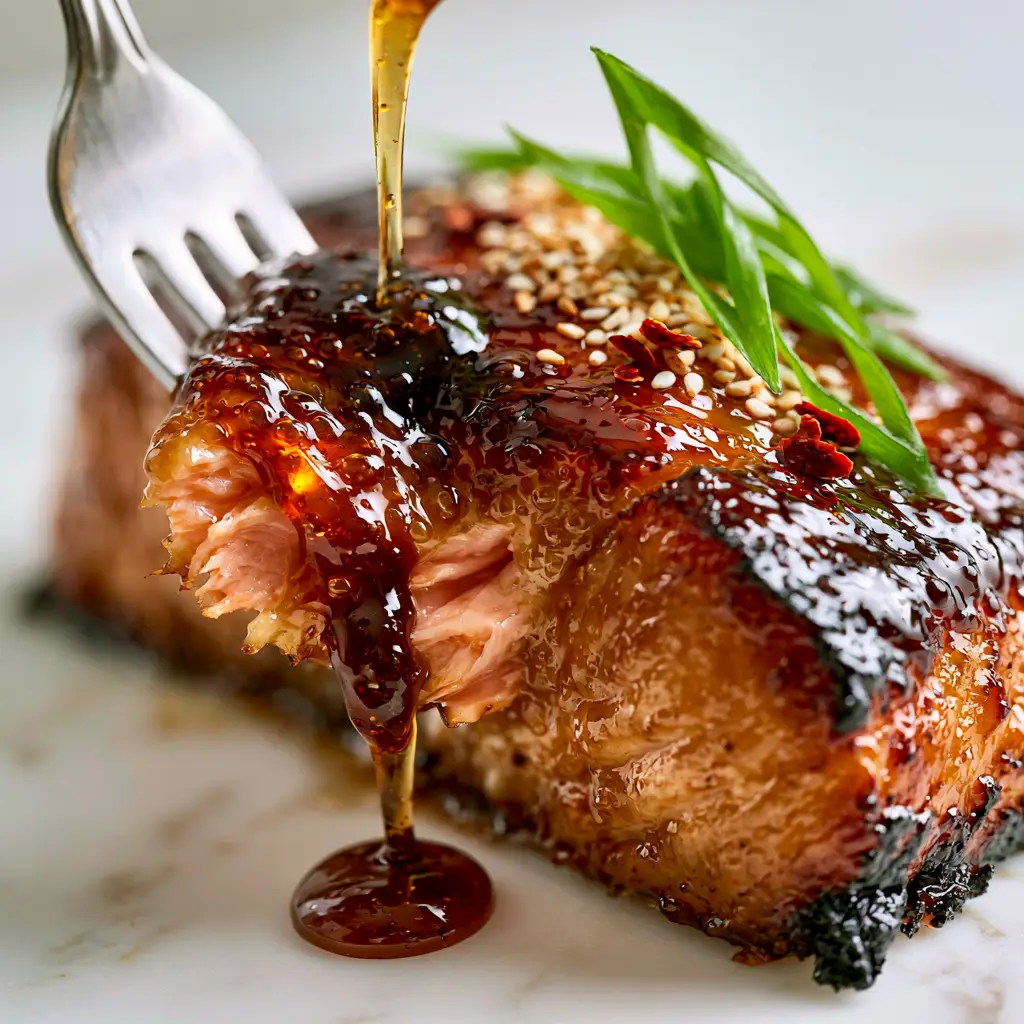
Flip the salmon carefully. Pour the remaining salmon marinade into the pan. As the honey and sugars hit the hot metal, they will begin to bubble and froth. This is the reduction phase. Use a spoon to continuously baste the top of the salmon with the syrupy dark golden sauce. This builds the layers of the mirror-like amber honey garlic glaze while the interior reaches a perfect medium-rare.
Phase 4: The Final Garnish
Once the sauce has thickened to a “mid-drip” consistency, remove the pan from the heat. Immediately sprinkle the toasted white sesame seeds and the paper-thin bias-cut scallions over the reflective surface. Place exactly three tiny red chili flakes on each fillet. The heat from the glaze will slightly soften the scallions, releasing their bright green aroma.
Expert Tips for Success
- Cold Start Myth: Never put cold salmon into a cold pan. Ensure the oil is shimmering to lock in the juices and create the crust.
- The Flake Test: Use a fork to gently lift a layer; if it resists, it needs another 30 seconds. The “moist flaky pink layers” are a sign of perfectly rendered collagen.
- Sugar Management: If the salmon marinade darkens too quickly, add a teaspoon of water to the pan to slow down the caramelization of the honey.
- Resting: Allow the fish to rest for 2 minutes before serving. This allows the internal juices to redistribute, ensuring every bite is moist.
Storing and Reviving Your Salmon
Leftover salmon can be stored in an airtight container for up to 2 days. To maintain the integrity of the salmon marinade glaze, do not microwave it on high. Instead, reheat it in a pan over low heat with a splash of water, covering the pan to steam the interior while keeping the exterior moist.
If you have extra glaze, it works wonderfully drizzled over a fresh zucchini stir fry the next day. The honey garlic profile is versatile enough to bridge many different cuisines, much like a honey sriracha salmon variant.
What to Serve With Honey Garlic Salmon
Because the glaze is so rich and syrupy, you want sides that offer a clean or acidic contrast. A crisp Arabic salad provides a refreshing crunch that cuts through the honey. Alternatively, for a heartier meal, serving this over a bed of jasmine rice or even alongside jollof rice can create a stunning fusion of flavors.
If you are looking for more seafood inspiration, you might enjoy the delicate textures of a pan-seared rainbow trout or a classic tuna salad for a lighter lunch option.
Frequently Asked Questions
Yes, but you won’t get the same charred caramelized edges. If baking, roast at 400°F (200°C) and broil for the last 2 minutes to thicken the honey garlic glaze.
Marinate for at least 20 minutes, but no more than 60. The lemon juice in the salmon marinade will begin to chemically ‘cook’ the fish if left too long, affecting the final flaky texture.
Yes, skin-on fillets help hold the moist pink layers together during the high-heat sear, though you should sear the flesh side first to establish the charred edges.
The glaze needs heat to reduce. If it’s too thin, remove the salmon once cooked and boil the remaining marinade in the pan for 1-2 minutes until it reaches a syrupy consistency.
The Ultimate Honey Garlic Salmon Marinade Recipe
Salmon Marinade: The Secret to a Mirror-Glaze Honey Garlic Atlantic Fillet
Ingredients
Equipment
Method
- Whisk honey, soy sauce, lemon juice, garlic, and sesame oil in a bowl until emulsified.
- Coat salmon fillets in half the marinade for 20 minutes.
- Heat avocado oil in a skillet. Sear salmon flesh-side down for 3-4 minutes until charred edges form.
- Flip salmon, add remaining marinade, and baste until the sauce becomes a thick, syrupy amber reduction.
- Top with sesame seeds, bias-cut scallions, and red pepper flakes before serving.
Notes
Basting is the secret to the mirror-like finish.
Closing & Call to Action
This salmon marinade is more than just a recipe; it is a gateway to mastering the art of the perfect sear and glaze. The combination of charred edges and a mirror-like amber finish makes this a centerpiece dish that tastes even better than it looks. If you enjoyed this culinary deep-dive, please leave a comment below and share your results! Don’t forget to follow us on Pinterest for more visually stunning recipe inspiration.