There is nothing quite as satisfying as the audible “snap” of a Tanghulu shell breaking under a single bite. This traditional Chinese street food has taken the culinary world by storm, evolving from a simple hawthorn snack into a sophisticated, high-gloss dessert featuring vibrant berries and grapes. To achieve that iconic, microscopically thin, crystal-clear coating, you need more than just sugar; you need precision, temperature control, and a bit of culinary science.
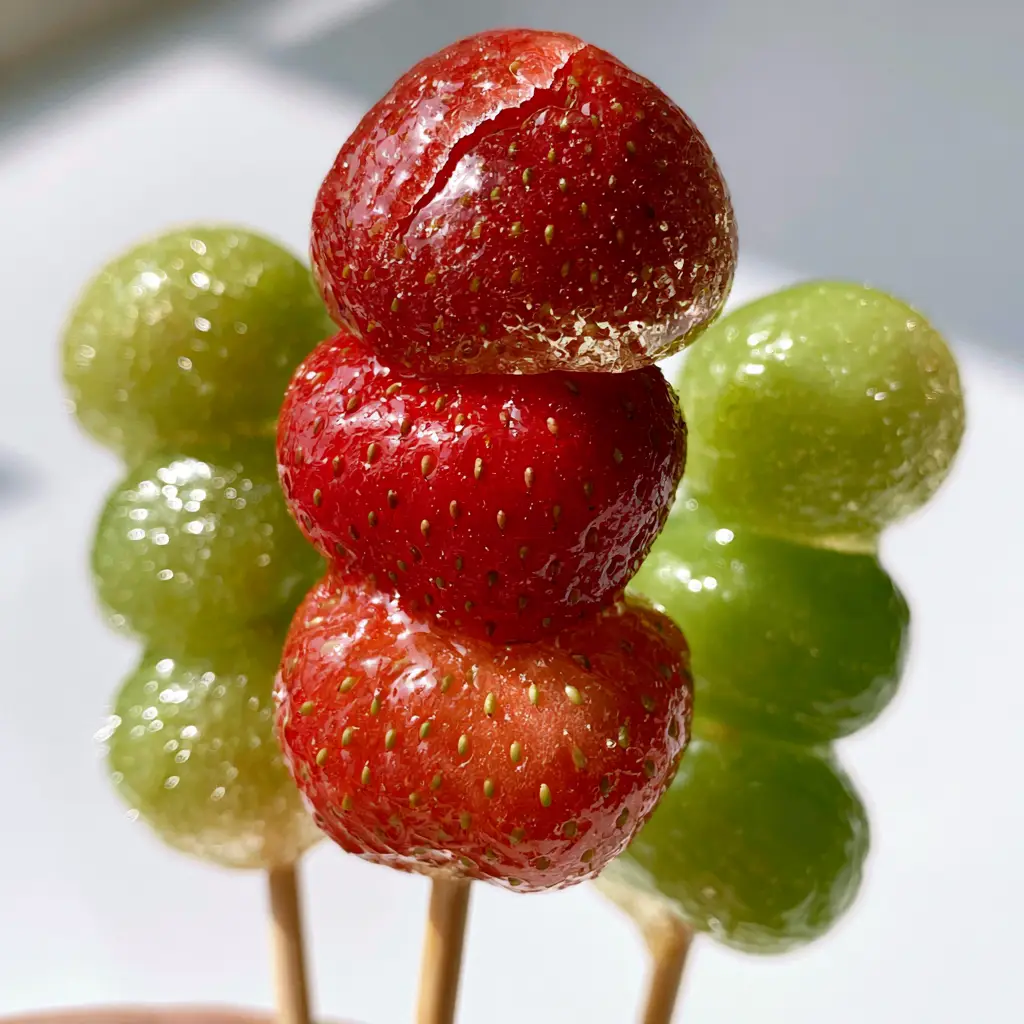
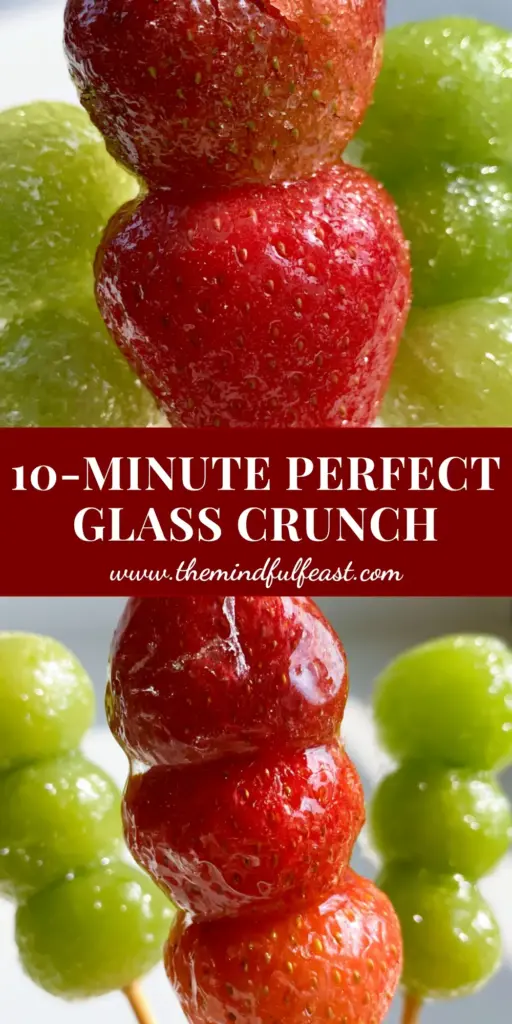
Our Tanghulu recipe focuses on creating that sought-after glass-like sugar coating that reflects soft natural sunlight with brilliant highlights. Imagine biting into a jumbo, bright red strawberry encased in a shell so clear it looks like it was dipped in liquid diamonds. Whether you are prepping these for a bright, minimalist kitchen photoshoot or a weekend treat, this guide ensures every skewer achieves that professional-grade shatter-like texture.
In this comprehensive guide, we will walk through the exact ratios and “hard crack” temperatures required to prevent the dreaded sticky teeth. We will also explore how to prepare your fruit so the sugar adheres perfectly without sliding, ensuring your final result looks exactly like a handheld smartphone photo from a high-end food blog. This is the ultimate Tanghulu masterclass for the enthusiastic home cook.
Why This Shatter-Crisp Tanghulu Recipe Works
- The Perfect Snap: By reaching the precise “hard crack” stage, the sugar creates visible sugar fractures rather than a chewy caramel texture.
- Crystal Clarity: Using a specific sugar-to-water ratio combined with a touch of corn syrup prevents crystallization, resulting in a glass-like finish.
- Vibrant Fruit Selection: The contrast between the deep red strawberries and the vibrant green grapes offers a stunning visual appeal against a white marble background.
- Microscopically Thin Glaze: Our dipping technique ensures the coating is thin enough to showcase the tiny seeds and natural skin texture of the fruit.
Essential Components for the Perfect Crystal Glaze
Granulated White Sugar: 2 cups (400g). Pure sucrose is essential for achieving a transparent glaze; avoid using brown sugar or raw sugar as the impurities will cloud the coating.
Filtered Water: 1 cup (240ml). Water acts as the medium to dissolve the sugar evenly, ensuring that every crystal is incorporated before the evaporation process begins.
Light Corn Syrup: 1 tbsp (15ml). This “invisible” ingredient is a culinary secret that prevents the sugar from recrystallizing, keeping your glaze microscopically thin and smooth.
Jumbo Red Strawberries: 9 pieces. Choose whole ripe red strawberries that are firm to the touch; the plumpness of the fruit provides the perfect structural base for the skewers.
Whole Green Grapes: 12-15 pieces. These offer a crisp, juicy interior that contrasts beautifully with the hard exterior shell, looking especially vibrant under high-key lighting.
Necessary Kitchen Tools for Candied Fruit Success
Bamboo Skewers: These are essential for the traditional presentation and provide a sturdy handle for the quick dipping motion required for Tanghulu.
Candy Thermometer: Precision is non-negotiable here; you must monitor the syrup until it hits the 300°F (150°C) mark to ensure the sugar sets into a glass-like state.
Heavy-Bottomed Saucepan: A thick pot distributes heat evenly, preventing the sugar from scorching or developing dark amber tones that would ruin the “transparent” look.
Parchment Paper or Silicone Mat: You need a non-stick surface to rest your skewers on immediately after dipping to prevent the sugar from sticking to your counters.
Mastering the Hard Crack Stage: Step-by-Step Instructions
Preparing the Fruit Foundation
Wash your strawberries and green grapes thoroughly in cold water. It is vital to pat the fruit completely dry with paper towels; any residual moisture will cause the sugar glaze to slide off or become cloudy.
Thread three jumbo strawberries onto the central bamboo skewer. For the side skewers, thread four to five green grapes each, ensuring the fruit is snug but not crushed, which keeps the skin texture visible through the glaze.
Simmering the Liquid Glass
In your heavy-bottomed saucepan, combine 2 cups (400g) of sugar, 1 cup (240ml) of water, and 1 tbsp (15ml) of corn syrup. Stir gently once before turning on the heat to ensure the sugar is hydrated, then do not stir again to prevent crystals from forming on the sides of the pan.
Bring the mixture to a boil over medium-high heat. Clip your candy thermometer to the side of the pot, ensuring the bulb is submerged in the liquid but not touching the bottom of the pan.
Reaching the 300°F Milestone
Watch the thermometer closely as the syrup bubbles. You are looking for the “Hard Crack” stage, specifically between 300°F and 310°F (150°C–154°C). If you don’t have a thermometer, drop a small bit of syrup into ice water; it should instantly form hard, brittle threads that snap when bent.
Once the temperature is reached, immediately turn the heat to the lowest setting to keep the syrup liquid without allowing it to darken in color. The syrup should remain crystal-clear to match our visual blueprint.
The High-Speed Dipping Technique
Tilt your saucepan so the sugar syrup pools on one side. Hold a skewer by the bamboo handle and quickly rotate the fruit through the syrup in one fluid motion. You want the coating to be microscopically thin.
Immediately hold the skewer upright for three seconds to allow excess syrup to drip off, then place it on your parchment paper. The sugar will set almost instantly, creating that brilliant highlight effect as it catches the light.
Pro Secrets for a Bubbless, Glass-Like Finish
- Avoid Stirring: Once the sugar starts boiling, stirring introduces air and can trigger crystallization, making the Tanghulu look grainy instead of like glass.
- The Ice Bath Shortcut: If you are working in a humid environment, dip the glazed skewer into a bowl of ice water for 2 seconds immediately after the sugar dip to “shock” the shell into a hard state.
- Temperature Consistency: If the sugar starts to turn amber, it is overcooking and will taste like burnt caramel. Remove it from the heat immediately.
- Tiny Seeds & Texture: To ensure the tiny seeds of the strawberry remain visible, do not over-boil the syrup to the point of thick viscosity.
How to Preserve the Crunch: Storage and Shelf Life
Tanghulu is best enjoyed within 30 minutes of creation. Because fruit contains high moisture levels, the sugar will eventually start to draw that moisture out, causing the glaze to melt or become sticky.
If you must store them for a short period, place them in an airtight container with a piece of parchment paper between layers and keep them in a cool, dry place. Do not refrigerate them for long, as the humidity in the fridge is the enemy of a crisp sugar shell.
For those looking for more quick bites, these skewers make excellent 3-ingredient snacks for parties. If you have leftover fruit, consider making a fresh asian cucumber salad to balance the sweetness of the candied berries.
Sweet Pairings and Menu Ideas
This Tanghulu recipe serves as a brilliant high-key dessert after a savory meal. Consider serving these after a hearty korean beef bowl or alongside some smashed baby potatoes for a mix of textures at your next gathering.
For a complete spread, you might also enjoy these other fruit-forward treats:
- Peach Cobbler Cinnamon Rolls for a warm, comforting brunch.
- A refreshing vinegar cucumber salad to cleanse the palate.
- For those who love a crunch, try our oven baked cucumber chips.
Frequently Asked Questions
Yes, use the ‘cold water test.’ Drop a small amount of syrup into ice water; if it hardens instantly and snaps like glass when you bite it, it is ready.
Yes, but firm fruits with skin like grapes, strawberries, and tangerine segments work best. Avoid very soft or overly juicy cut fruits.
Tanghulu is best eaten within 30-45 minutes. Over time, the sugar draws moisture from the fruit and will eventually liquefy.
This is almost always due to moisture. The fruit must be 100% dry before dipping. Any water or juice on the skin prevents the sugar from adhering.
Sticky Tanghulu usually happens if the sugar hasn’t reached the full ‘hard crack’ stage of 300°F (150°C) or if the humidity in your kitchen is too high.
The Official Glass-Fruit Recipe
Tanghulu Recipe: The Ultimate Guide to Crystal Clear Glass-Coated Fruit
Ingredients
Equipment
Method
- Wash and thoroughly dry the strawberries and grapes. Thread three strawberries onto one skewer and four grapes each onto the other two skewers.
- Combine sugar, water, and corn syrup in a heavy saucepan. Heat over medium-high without stirring.
- Boil the mixture until it reaches 300°F (150°C) on a candy thermometer. The bubbles should be small and the syrup perfectly clear.
- Tilt the pan and quickly rotate each skewer in the syrup for a microscopically thin coating. Let excess drip off for 3 seconds.
- Place skewers on parchment paper to set. The glaze should harden into a glass-like shell with visible sugar fractures within seconds.
Notes
Ensure fruit is 100% bone-dry before dipping for the best adhesion.
Closing & Call to Action
Mastering the art of Tanghulu is a rewarding experience for any home cook who loves the intersection of science and sweets. The result is a stunning, photogenic treat that tastes just as incredible as it looks. The combination of the cold, juicy fruit and the warm, shattering sugar shell is a sensory delight that never goes out of style.
If you enjoyed this recipe, please leave a comment below and let us know how your sugar shells turned out! Don’t forget to follow us on Pinterest for more visually stunning recipe inspiration and kitchen tips. Happy dipping!